
Colon Polyps Disease Treatment in Daly City, San Francisco
At the Center for Diabetes and Cardiometabolic Health (CDCH), our board-certified gastroenterologist provides colonoscopy screenings, polyp removal, and follow-up care for patients throughout the Daly City area. Early detection is one of the most effective steps toward reducing the risk of colorectal cancer.
What Are Colon Polyps and Why Do They Happen?
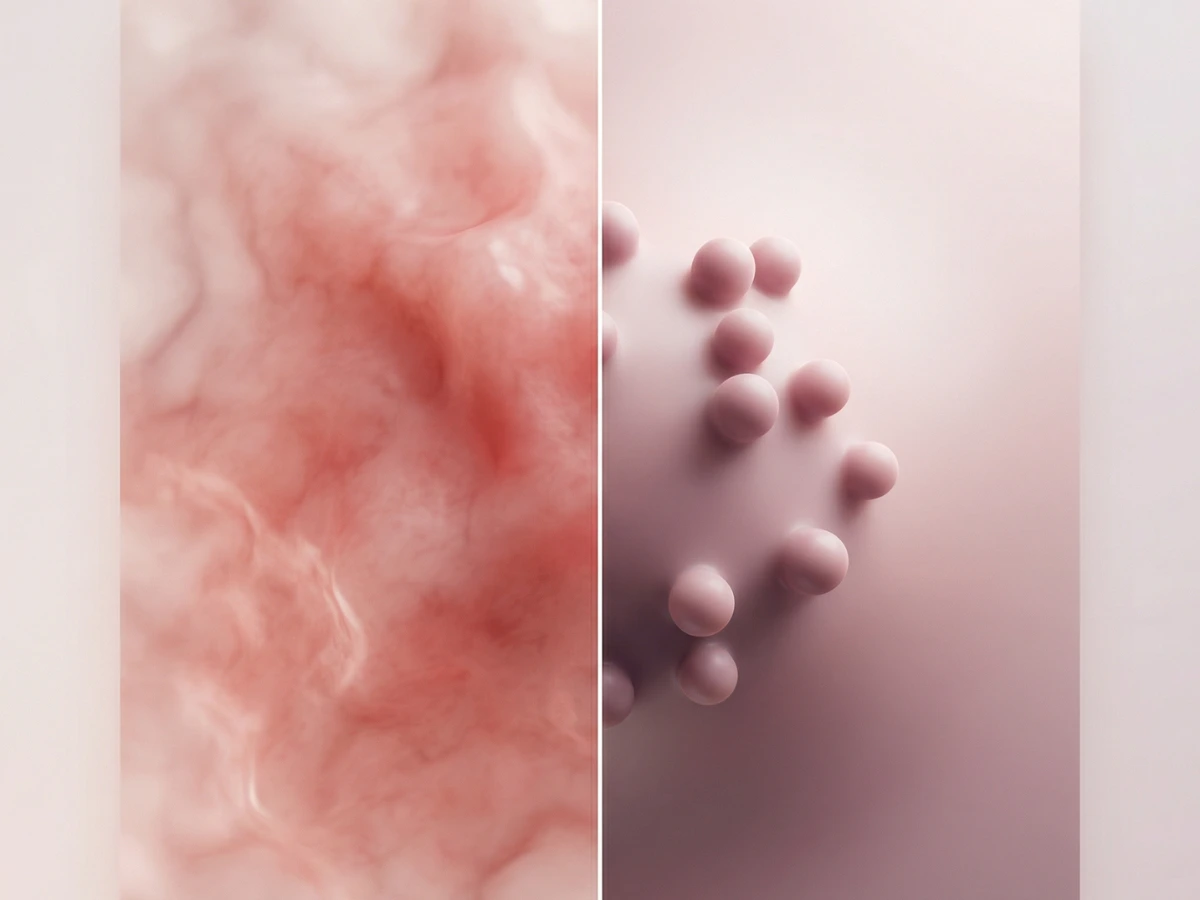
Colon polyps are small growths that form on the inner lining of the large intestine. While many are benign and cause no symptoms, some types — if left undetected — may progress over time into colorectal cancer. This is why routine colonoscopy screening is recommended, particularly for adults over 45.
Polyps develop when the normal cycle of cell growth and renewal in the colon lining is disrupted. Instead of old cells dying and being replaced in an orderly way, certain cells multiply faster than expected and cluster together to form a growth.
Types of Colon Polyps
Not all polyps carry the same level of concern. Understanding the type identified during your colonoscopy helps guide the right treatment approach.
Adenomatous Polyps (Adenomas)
These are considered precancerous and are the type most closely monitored by gastroenterologists. Subtypes include tubular, tubulovillous, and villous adenomas — with villous adenomas generally carrying the highest risk of progression if not removed.
Hyperplastic Polyps
These are typically small and are generally considered low-risk. They are commonly found during routine screenings and rarely require extensive follow-up.
Serrated Polyps
This category includes sessile serrated adenomas, which may have a higher potential to progress to colorectal cancer than standard hyperplastic polyps. Their detection often requires careful endoscopic evaluation.
Inflammatory Polyps
Often associated with conditions like inflammatory bowel disease (IBD), these polyps are typically reactive rather than precancerous. They are monitored in the context of the underlying condition.
Hemorrhoids vs. Colon Polyps
These two conditions are often confused because both can involve rectal bleeding. However, they are distinct: hemorrhoids are swollen veins near the rectum or anus that typically cause itching, discomfort, or bleeding during bowel movements.
Colon polyps are growths inside the colon lining that are usually painless and found only during screening.
If you notice rectal bleeding or changes in bowel habits, it is worth speaking with a specialist rather than assuming the cause.
Symptoms and Risk Factors of Colon Polyps
Most colon polyps do not cause noticeable symptoms, which is why regular screening is important. Detecting polyps early can prevent them from developing into serious problems.
Possible Symptoms
- Rectal bleeding
- Blood in stool
- Changes in bowel habits
- Abdominal pain
- Chronic constipation
- Anemia or Fatigue
Risk Factors
- Age over 45
- Family history of polyps or colorectal cancer
- Genetic syndromes (FAP, Lynch syndrome)
- Inflammatory bowel disease
- Smoking, obesity, diabetes, and a high red meat diet
- Alcohol consumption
Services We Offer for Colon Polyps Disease Treatment in Daly City, San Francisco
At CDCH clinic in Daly City offers a full range of GI services — from initial evaluation through to removal and follow-up monitoring. Below is a summary of what patients can expect when they come to us for colon polyp care.
Evaluation and Diagnosis
Your first visit involves a thorough review of your medical history, any current symptoms, and your family background. Based on this, Dr. Tsuchiyose will recommend the appropriate diagnostic approach — whether that’s a full colonoscopy, flexible sigmoidoscopy, or imaging.
We take care to explain every step of the process before it happens, so patients feel informed rather than anxious.
Personalized Treatment Planning
Not every polyp is managed the same way. Your care plan is built around the type, size, and location of any polyp found, as well as your overall health profile. For most patients, same-session polypectomy (removal during colonoscopy) is possible. For more complex lesions, we offer:
- Polypectomy — removal during standard colonoscopy
- Endoscopic Mucosal Resection (EMR) — for larger flat polyps
- Endoscopic Submucosal Dissection (ESD) — for lesions requiring more precise dissection
These are all minimally invasive approaches that do not require open surgery, typically allow same-day discharge, and carry a low complication rate based on standard clinical outcomes.
Dietary and Lifestyle Guidance
Following polyp removal — or if you’re seeking to reduce your risk — our team provides practical nutritional counseling. A fiber-rich diet, regular physical activity, and limiting alcohol and processed meat are consistently associated with better colon health. We help patients translate this into habits that are realistic and sustainable.
Foods that support digestive health include high-fiber vegetables, legumes, fish, lean poultry, and fermented foods like yogurt.

Minimally Invasive Procedures
We provide minimally invasive procedures to remove colon polyps safely without traditional surgery. Our services include colonoscopy, polypectomy, Endoscopic Mucosal Resection (EMR), and Endoscopic Submucosal Dissection (ESD). Using a colonoscope, we carefully identify and remove polyps. Our approach reduces complications and allows quick recovery. It also helps prevent polyps from becoming serious, protecting your digestive health.

Ongoing Monitoring and Follow-Up
Colorectal health is not a one-time visit. Depending on what is found during your initial screening, we schedule follow-up colonoscopies at appropriate intervals — which may range from one to ten years based on clinical guidelines and your individual history.
Our goal is to catch any recurrence early and keep you on a clear, manageable schedule.

Food you should eat during colon polyps disease
- It is important to follow a balanced diet because certain foods can reduce polyp risk. The best foods to eat during polyps disease include:
- Yogurt
- Fish
- Chicken
- Lean meat
- Lentils
- Fresh vegetables
- These foods support colon health and help prevent recurrence of colon polyps.
Why Patients Choose CDCH in Daly City
There are many practices offering GI services in the Bay Area. Here is what distinguishes the experience at CDCH:
Our board-certified gastroenterologists provide expert care for patients with all types of colon polyps.
We deliver comprehensive care that covers diagnosis, treatment, and follow-up in one place.
Our team prioritizes patients’ comfort and safety through personalized treatment plans.
We accept most insurance plans (Medicare, Fidelis Care, Beacon, Cigna, and Carelon) to make colon polyp treatment accessible and affordable.
Our clinic protects your privacy by following full HIPAA compliance.
We use advanced technology to detect and safely remove polyps.
Our experts have a proven track record of successful treatments and satisfied patients.
We offer convenient scheduling and a welcoming environment to make every visit comfortable.
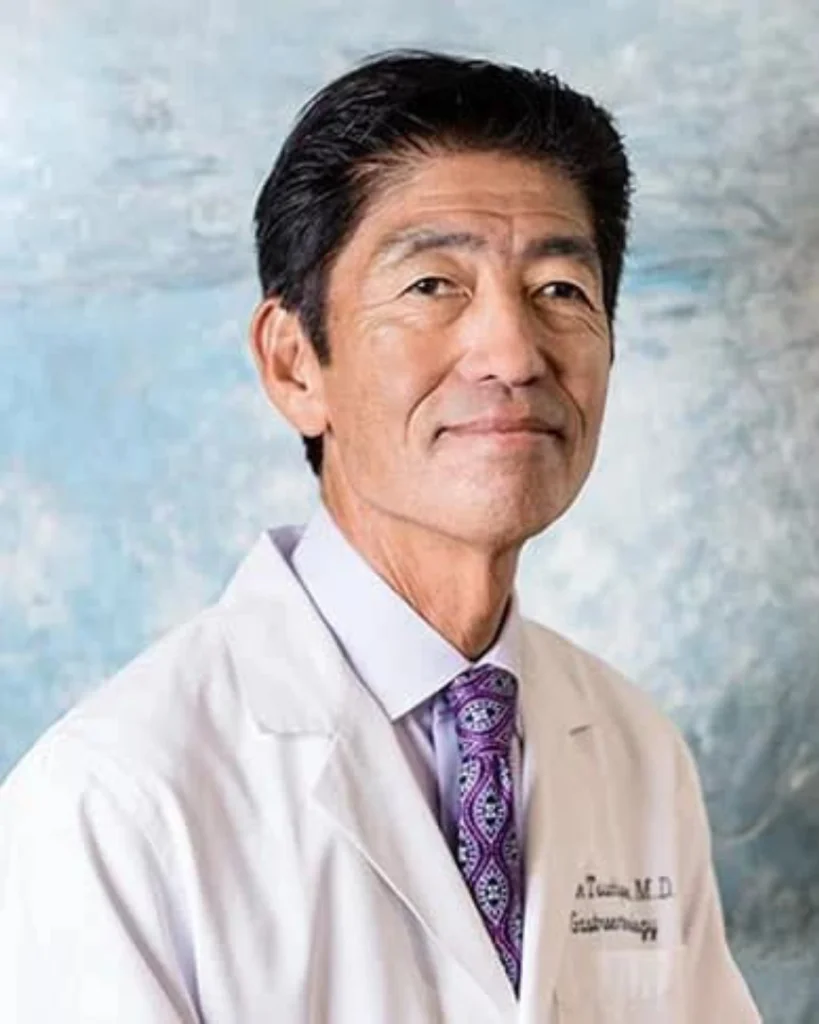
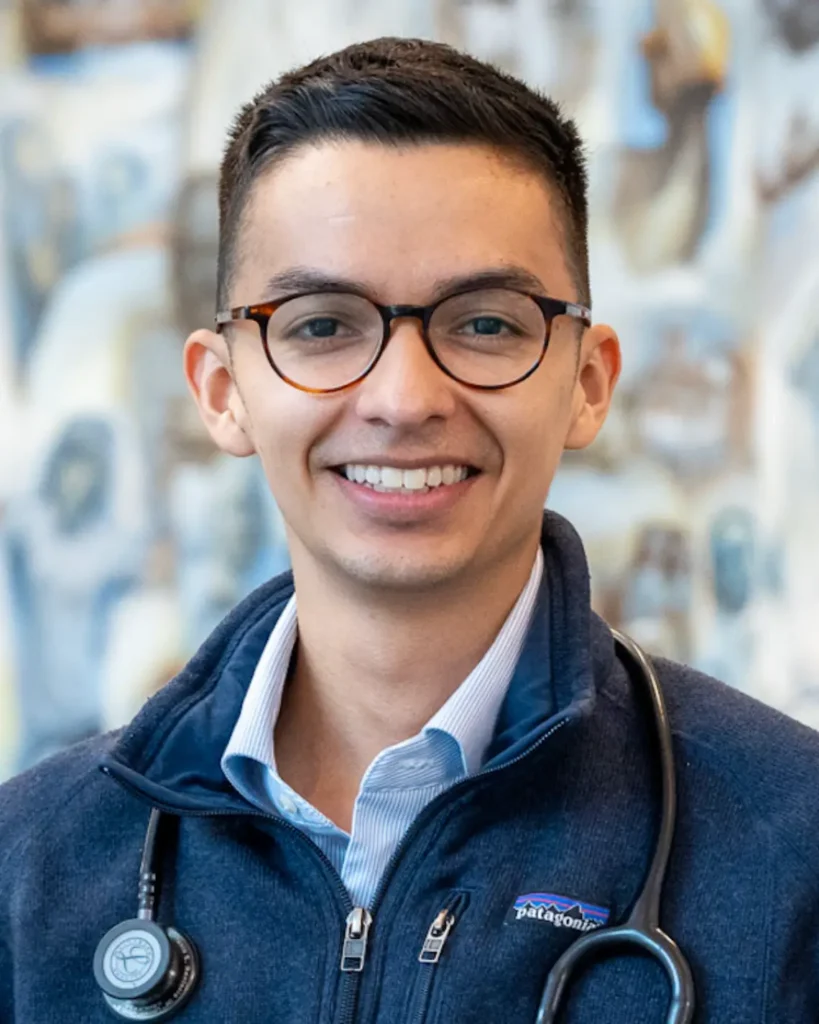
Meet Our Care Team
Your care at CDCH is led by specialists who bring both clinical expertise and a straightforward approach to patient communication.
Board Certified
All providers meet the highest standards of care
Same-Week Appointments
Quick access to expert care when you need it
Local to Bay Area
Serving Daly City, San Francisco & surrounding areas
Schedule Your Colonoscopy in Daly City
If you are due for a routine screening, have a family history of colorectal cancer, or are experiencing any of the symptoms described above, we encourage you to speak with our team.
CDCH offers same-week appointments for patients who need timely access to care. We serve patients in Daly City and the surrounding Bay Area communities.
FAQs About Colon Polyps Disease Treatment in Daly City, San Francisco

Maintaining a fiber-rich diet, staying physically active, limiting alcohol, and not smoking are all associated with lower polyp risk. Regular colonoscopy screenings — particularly from age 45 onward — allow your doctor to detect and remove polyps before they progress. Our team at CDCH can guide you on a screening schedule based on your individual risk profile.
Foods such as processed meats, fried foods, and alcohol increase the risk of colon polyps. Diets low in fiber and high in fat also contribute to the risk. Avoiding these foods helps lower the chance of developing polyps and supports colon health.
Yes. The majority of colon polyps — including many larger ones — can be removed endoscopically during a colonoscopy, without the need for open surgery. Techniques such as polypectomy, EMR, and ESD allow for safe removal in a minimally invasive way. Recovery is typically brief, and most patients return home the same day.
Larger polyps — generally those over 1 cm — are more likely to contain areas of advanced dysplasia (abnormal cell changes), which increases the probability of progression if left in place. They may also require a more specialized removal technique. Size alone doesn't determine risk, but it is one factor your gastroenterologist will consider when recommending a care plan.
Based on current evidence, a diet high in processed red meat, low in fiber, and accompanied by excess alcohol consumption is associated with increased polyp risk. Our team provides specific dietary guidance based on your health history and the type of polyp identified.