
Colon Polyps Disease Treatment in Daly City, San Francisco
The Center of Diabetes and Cardiometabolic Health (CDCH) offers colon polyps disease treatment in Daly City, San Francisco. We provide advanced colonoscopy screenings, expert colon polyp removal, and preventive care designed to reduce colorectal cancer risk and improve colon health.
What Are Colon Polyps and Why Do They Happen?
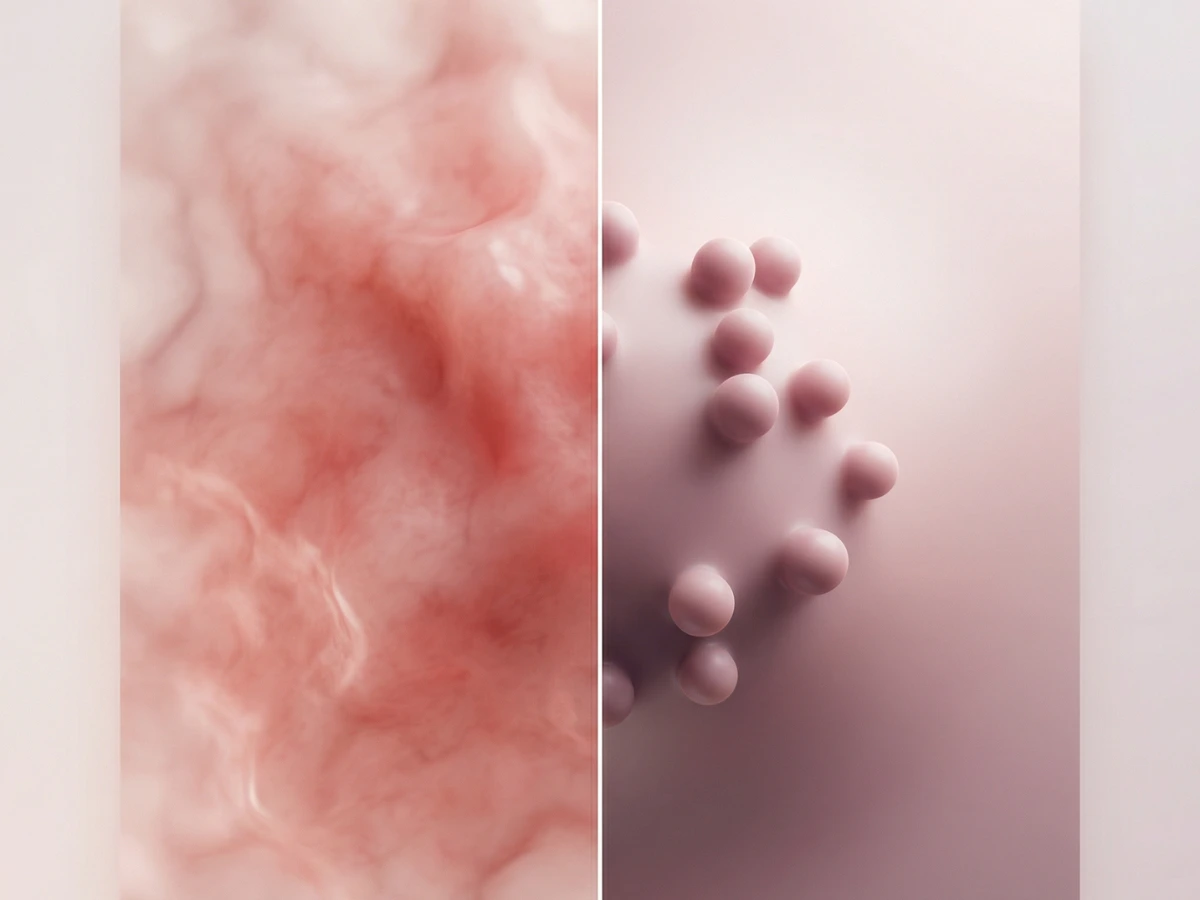
Colon polyps are abnormal tissue growths that form on the inner lining of the colon. While most are benign, certain types can develop into colorectal cancer if left untreated.
Colon polyps happen when cells in the colon lining grow too fast and form clusters instead of dying. These growths occur because of changes in the genes that control cell growth. Normally, the colon lining renews itself, with old cells dying and new cells taking their place. When this process goes wrong, cells build up and create a polyp.
Colon polyps occur in adults over 50. They are more common in the Bay Area due to diet and genetics. Polyps can cause bleeding, bowel changes, or growths that turn into precancerous or cancerous polypoid lesions. Early detection and removal can prevent colorectal cancer.
Types of Colon Polyps
Colon polyps include several types, and each type has different features, risk levels, and medical importance.
Adenomatous Polyps (Adenomas)
These precancerous polyps can develop into colorectal cancer over time. Subtypes include tubular, tubulovillous, and villous, with villous being the riskiest.
Hyperplastic Polyps
Hyperplastic polyps are usually small and carry a low risk. They are mostly harmless and rarely turn cancerous.
Serrated Polyps
Serrated polyps have varying risk levels. Sessile serrated adenomas are more likely to progress to colorectal cancer than other serrated types.
Inflammatory Polyps
These polyps are linked to chronic inflammation, often from inflammatory bowel disease. They are generally not precancerous.
Hemorrhoids vs. Colon Polyps
Hemorrhoids are swollen veins in the rectum or anus that cause pain, itching, or bleeding. Colon polyps, on the other hand, are abnormal growths inside the colon lining that may be precancerous.
While hemorrhoids are usually harmless and treatable with lifestyle changes or minor procedures. Colon polyps require removal during colonoscopy because they can progress to colorectal cancer if left untreated.
Symptoms and Risk Factors of Colon Polyps
Most colon polyps do not cause noticeable symptoms, which is why regular screening is important. Detecting polyps early can prevent them from developing into serious problems.
Possible Symptoms
- Rectal bleeding
- Blood in stool
- Changes in bowel habits
- Abdominal pain
- Chronic constipation
- Anemia or Fatigue
Risk Factors
- Age over 45
- Family history of polyps or colorectal cancer
- Genetic syndromes (FAP, Lynch syndrome)
- Inflammatory bowel disease
- Smoking, obesity, diabetes, and a high red meat diet
- Alcohol consumption
Services We Offer for Colon Polyps Disease Treatment in Daly City, San Francisco
At CDCH, we provide advanced colorectal polyp treatments using modern diagnostics and preventive strategies. Our colon polyps disease treatment inDaly city, San Francisco detects polyps early, removes them safely, and reduces the risk of colorectal cancer and other complications.
Comprehensive Evaluation and Diagnosis
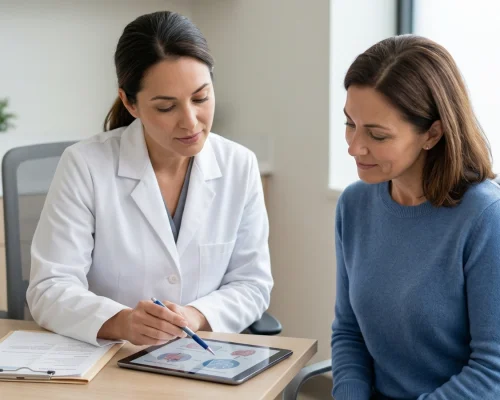
Our team starts with a thorough consultation, reviewing your medical history and symptoms. Using colonoscopy, sigmoidoscopy, and imaging, we detect polyps early. Accurate diagnosis allows timely treatment, reduces colorectal cancer risk, and makes the colon healthy.

Personal Treatment Plan
We create personalized treatment plans based on your diagnosis, polyp type, and overall health. Your plan may include colonoscopy, polypectomy, or minimally invasive surgery. Our goal is to reduce colon polyps safely and reduce cancer risk, and provide long-term relief with a clear plan for colon polyps recovery.
Dietary Counselling
Our team guides patients on nutrition and lifestyle changes to reduce polyp recurrence. We focus on fiber‑rich foods, balanced meals, and regular exercise to improve colon health. These steps help patients manage their colon health and support long‑term prevention of cancerous polyps on colon.

Minimally Invasive Procedures
We provide minimally invasive procedures to remove colon polyps safely without traditional surgery. Our services include colonoscopy, polypectomy, Endoscopic Mucosal Resection (EMR), and Endoscopic Submucosal Dissection (ESD). Using a colonoscope, we carefully identify and remove polyps. Our approach reduces complications and allows quick recovery. It also helps prevent polyps from becoming serious, protecting your digestive health.

Prevention and Monitoring
Our focus is on long-term colon health through prevention and monitoring. We recommend regular screenings, lifestyle adjustments, and follow-up colonoscopies to catch new polyps early. Our preventive approach helps patients stay healthy and lowers colorectal cancer risk.

Food you should eat during colon polyps disease
- It is important to follow a balanced diet because certain foods can reduce polyp risk. The best foods to eat during polyps disease include:
- Yogurt
- Fish
- Chicken
- Lean meat
- Lentils
- Fresh vegetables
- These foods support colon health and help prevent recurrence of colon polyps.
Why Choose Us for Colon Polyps Disease Treatment in Daly City, San Francisco
At the Center of Diabetes and Cardiometabolic Health (CDCH), we understand that choosing the right clinic is an important decision. Our commitment is to provide safe, effective, and compassionate care that protects your colon health.

Our board-certified gastroenterologists provide expert care for patients with all types of colon polyps.
We deliver comprehensive care that covers diagnosis, treatment, and follow-up in one place.
Our team prioritizes patients’ comfort and safety through personalized treatment plans.
We accept most insurance plans (Medicare, Fidelis Care, Beacon, Cigna, and Carelon) to make colon polyp treatment accessible and affordable.
Our clinic protects your privacy by following full HIPAA compliance.
We use advanced technology to detect and safely remove polyps.
Our experts have a proven track record of successful treatments and satisfied patients.
We offer convenient scheduling and a welcoming environment to make every visit comfortable.
Meet Our Care Team
Our specialists at CDCH bring expertise and compassion to every patient. We believe in personalized care, guiding you through screening, treatment, and prevention with respect.

Board Certified
All providers meet the highest standards of care
Same-Week Appointments
Quick access to expert care when you need it
Local to Bay Area
Serving Daly City, San Francisco & surrounding areas
Serving Patients in Daly City, San Francisco
We proudly serve patients across Daly City, San Francisco with modern facilities, easy access, and a welcoming environment designed to make your care experience comfortable and stress‑free.
FAQs About Colon Polyps Disease Treatment in Daly City, San Francisco

You can prevent colon polyps through regular colonoscopy screenings, a fiber‑rich diet, exercise, and avoiding smoking or alcohol. CDCH offers early colon polyps treatment with medical monitoring to reduce risks and protect long‑term colon health.
Foods such as processed meats, fried foods, and alcohol increase the risk of colon polyps. Diets low in fiber and high in fat also contribute to the risk. Avoiding these foods helps lower the chance of developing polyps and supports colon health.
Yes, precancerous polyps can progress into colorectal cancer if untreated. Early detection and removal during colonoscopy prevent this progression. At CDCH, our team offers a treatment to lower long‑term colorectal cancer risk.
The removal of colon polyps depends on their type, size, and location. Most small polyps can be treated with minimally invasive methods like Colonoscopy Polypectomy, Endoscopic Mucosal Resection EMR, Endoscopic Submucosal Dissection ESD. These minimally invasive approaches avoid surgery, ensure patient comfort, and allow same‑day discharge with very low complication rates.
Large colon polyps are more concerning than small polyps (less than 5 mm) because size strongly correlates with cancer risk. Larger polyps are more likely to contain advanced dysplasia or early cancer, while small polyps are usually benign and slow-growing.