
Gas Bloat Syndrome Treatment in San Fransisco, CA
Gas bloat syndrome is a constellation of symptoms. Excessive bloating, inability to belch, upper abdominal fullness, and trapped gas—that commonly develops after anti-reflux surgery, particularly Nissen fundoplication.
At Center for Diabetes and Cardiometabolic Health (CDCH) in Daly City San Fransisco, our gastroenterology specialists diagnose and treat gas bloat syndrome with both conservative management and advanced interventions.
Understanding Gas Bloat Syndrome
What is gas bloat syndrome medically? It's characterized by the triad of upper abdominal bloating, inability to belch or vomit effectively, and increased flatulence. The syndrome occurs when gas becomes trapped in the stomach because the normal mechanisms for releasing gas upward (belching) are impaired. This creates significant discomfort, visible abdominal distension, and social embarrassment. While temporary bloating is normal, gas bloat syndrome represents persistent, often debilitating symptoms requiring medical intervention.
Post-Surgical Gas Bloat Syndrome
After Anti-Reflux Surgery
Gas bloat syndrome after fundoplication is the most common presentation. During Nissen fundoplication and other anti-reflux procedures, the upper stomach is wrapped around the lower esophagus to prevent acid reflux.
When this wrap is too tight or positioned improperly, it prevents the lower esophageal sphincter from relaxing enough to release gas. Patients can swallow but cannot belch—gas accumulates, causing severe bloating.
Affects 40-85% of patients temporarily and 10-20% long-term.
Other Surgical Causes
Bloated stomach after surgery can occur after:
- Gastric bypass / sleeve
- Esophageal surgery
- Hiatal hernia repair
- Upper GI procedures
Abdominal bloating after surgery may result from altered stomach positioning, vagus nerve disruption, or adhesions affecting motility.
Non-Surgical Causes
Gas bloat can also develop from SIBO, severe gastroparesis, or anatomical abnormalities without surgery.
Gas Bloat Syndrome Symptoms We Treat
Primary Symptoms
- Severe upper abdominal bloating
- Inability to belch or burp
- Visible abdominal distension
- Early satiety
- Excessive flatulence
Associated Discomfort
- Upper abdominal pressure
- Chest discomfort from gas
- Nausea without vomiting
- Difficulty with waist clothing
- Audible stomach gurgling
Impact on Daily Life
- Social embarrassment
- Difficulty eating portions
- Avoiding social dining
- Sleep disruption
Post-surgical gas bloat typically worsens after meals and improves somewhat overnight.
How We Diagnose Eosinophilic Esophagitis
1
Weeks 1-4
Immediate Post-Surgical Period
Nearly all fundoplication patients experience some gas bloat. The stomach and esophagus are swollen from surgery. Some bloating is expected and normal during healing.
2
Weeks 4-12
Early Recovery Phase
As surgical swelling resolves, many patients see gradual improvement. About 50-60% of patients notice symptoms decreasing significantly by 3 months.
3
Months 3-6
Adaptation Period
The body adapts to new anatomy. Most temporary gas bloat resolves during this timeframe. Patients learn dietary modifications that minimize symptoms.
4
Month 6+
Long-Term Outcomes
Does gas bloat syndrome go away? For most patients, yes—symptoms resolve or become manageable within 6-12 months. However, 10-20% develop persistent gas bloat requiring treatment.
When It Doesn't Improve
How long does gas bloat syndrome last if it persists? Some patients have ongoing symptoms beyond 12 months, indicating the wrap may be too tight or anatomical issues need addressing.
How We Diagnose Gas Bloat Syndrome
Gas Bloat Syndrome Treatment
Treatment typically begins with Conservative Management, focusing on dietary and lifestyle modifications to manage symptoms effectively.
Eating Technique
Eat slowly, chew thoroughly, and take small bites. Avoid talking while eating. Eliminate straws and carbonated beverages to reduce swallowed air.
Meal Management
Transition to 5-6 small meals throughout the day rather than 3 large ones. Smaller portions significantly reduce gas accumulation.
Dietary Modifications
Avoid gas-producers like beans, cabbage, broccoli, and onions. Reduce high-fat foods, which delay gastric emptying and prolong discomfort.
Low-FODMAP Diet
Eliminate fermentable carbohydrates. This is particularly effective if SIBO or IBS is contributing to your bloating symptoms.
Posture & Activity
Stay upright for 2-3 hours after eating. Gentle walking promotes gas movement; avoid bending or lying flat immediately after meals.
Symptomatic Relief
Use Simethicone to break up bubbles, Peppermint oil to relax smooth muscles, and Probiotics if dysbiosis is suspected.
Positive Prognosis
These conservative measures resolve symptoms in 60-70% of post-surgical gas bloat cases within a 6-month window. Consistency with these changes is key to long-term recovery.
When Conservative Treatment Isn't Enough
For persistent gas bloat syndrome after fundoplication that doesn’t improve with diet and lifestyle changes, advanced interventions may be necessary. Endoscopic dilation can gently stretch a tight surgical wrap, improving gas release without requiring repeat surgery. Botox injection into the lower esophageal sphincter temporarily relaxes the wrap. For severe, refractory cases, surgical revision (converting full Nissen wrap to partial wrap or takedown) may be considered.
Medications & Supplements for Gas Relief
Gas-X, Mylicon
Simethicone
Prokinetic medications to improve gut motility
Beano
Alpha-Galactosidase
Enzyme supplement that breaks down complex carbs in beans/grains. Take with the first bite. Works preventively—doesn't help with existing gas.
Lactaid
Lactase Supplements
If lactose intolerance contributes to gas bloat, this allows dairy digestion. Take immediately before consuming dairy products.
Lactobacillus/Bifidobacterium
Probiotics
Beneficial bacteria that may improve gut microbiome balance. Allow 4-6 weeks to assess effectiveness. Choose proven CFU counts.
Enteric-Coated
Peppermint Oil
Relaxes intestinal smooth muscle and reduces bloating. Take 30-60 minutes before meals. Avoid if you have severe GERD.
Absorbent
Activated Charcoal
May absorb intestinal gas. Can interfere with medication absorption—take 2 hours away from other meds. Not for long-term daily use.
Medications & Supplements for Gas Relief
Foods That Worsen Gas Bloat
- Carbonated beverages
- Beans and legumes
- Cruciferous vegetables
- High-fiber foods (initially)
- Sugar alcohols
- Dairy products
- Fatty, greasy, fried foods
- Chewing gum and hard candy
Better Choices for Gas Bloat
- Lean proteins (chicken, fish, eggs)
- White rice and refined grains
- Cooked carrots, zucchini, squash
- Bananas and melons
- Lactose-free dairy
- Herbal teas (ginger, chamomile)
- Well-cooked vegetables
- Small, digestible portions
Eating Strategy: Reintroduce restricted foods gradually once symptoms improve. Keep a food diary to identify your specific triggers.
Daily Habits to Reduce Gas Bloat
Small behavior changes often provide significant symptom relief.
Eat slowly—put fork down
Chew each bite (20-30 times)
Avoid talking while eating
Don't use drinking straws
Quit smoking (air swallowing)
Manage stress
Stay well-hydrated
Wear loose-fitting clothing
Sleep with head elevated
When Gas Bloat Requires Immediate Attention
Contact our office or seek emergency care if you experience: inability to pass gas or stool (possible bowel obstruction), severe, unrelenting abdominal pain, bloody stools or black tarry stools, persistent vomiting, fever above 101°F, unintentional weight loss exceeding 10 pounds, or symptoms that worsen despite treatment.
Expert Gas Bloat Care in Daly City & San Francisco
As experienced gas bloat syndrome specialists in Daly City, we understand the frustration and discomfort this condition causes—especially for post-surgical patients who underwent reflux surgery to feel better, not worse.
Our team provides comprehensive evaluation for bloating after surgery, working closely with your surgeon when appropriate to determine the best treatment approach.
Whether you need treatment in Daly City CA, San Francisco, or throughout the Bay Area, CDCH offers:
- Thorough diagnostic evaluation
- Conservative management protocols
- Dietary counseling and meal planning
- Endoscopic interventions
- Coordination with surgical specialists
- Long-term follow-up and support
Meet Our Gas Bloat Treatment Team

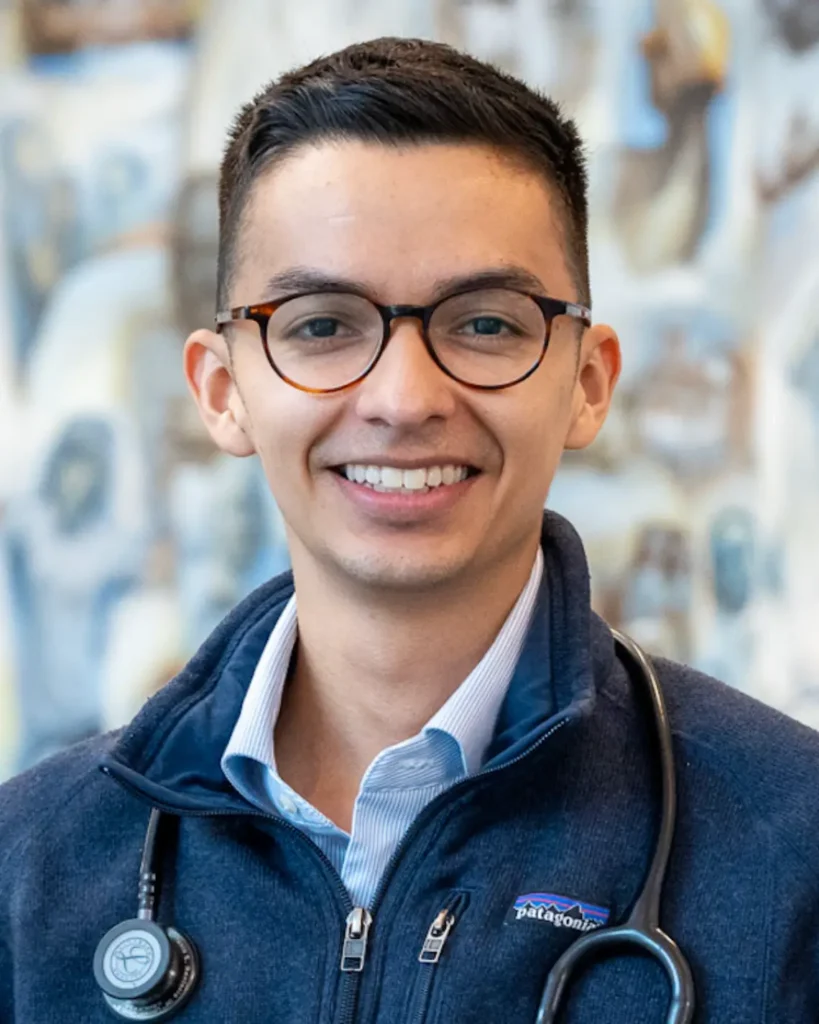
Board Certified
All providers meet the highest standards of care
Same-Week Appointments
Quick access to expert care when you need it
Local to Bay Area
Serving Daly City, San Francisco & surrounding areas
- Accepting New Patients
Get Relief from Gas Bloat Syndrome
Stop suffering from post-surgical bloating or chronic gas discomfort. Schedule your consultation today with the experts at CDCH.