Expert GERD Treatment in Daly City, California | Relief from Acid Reflux
Comprehensive Guide to Symptoms, Causes & Treatment
Are you experiencing persistent heartburn or acid reflux? You’re not alone. Gastroesophageal reflux disease affects millions of people and can significantly impact your quality of life. Understanding your symptoms and treatment options is the first step toward relief.
- Accepting new patients
- Same-week appointments available
What is GERD?
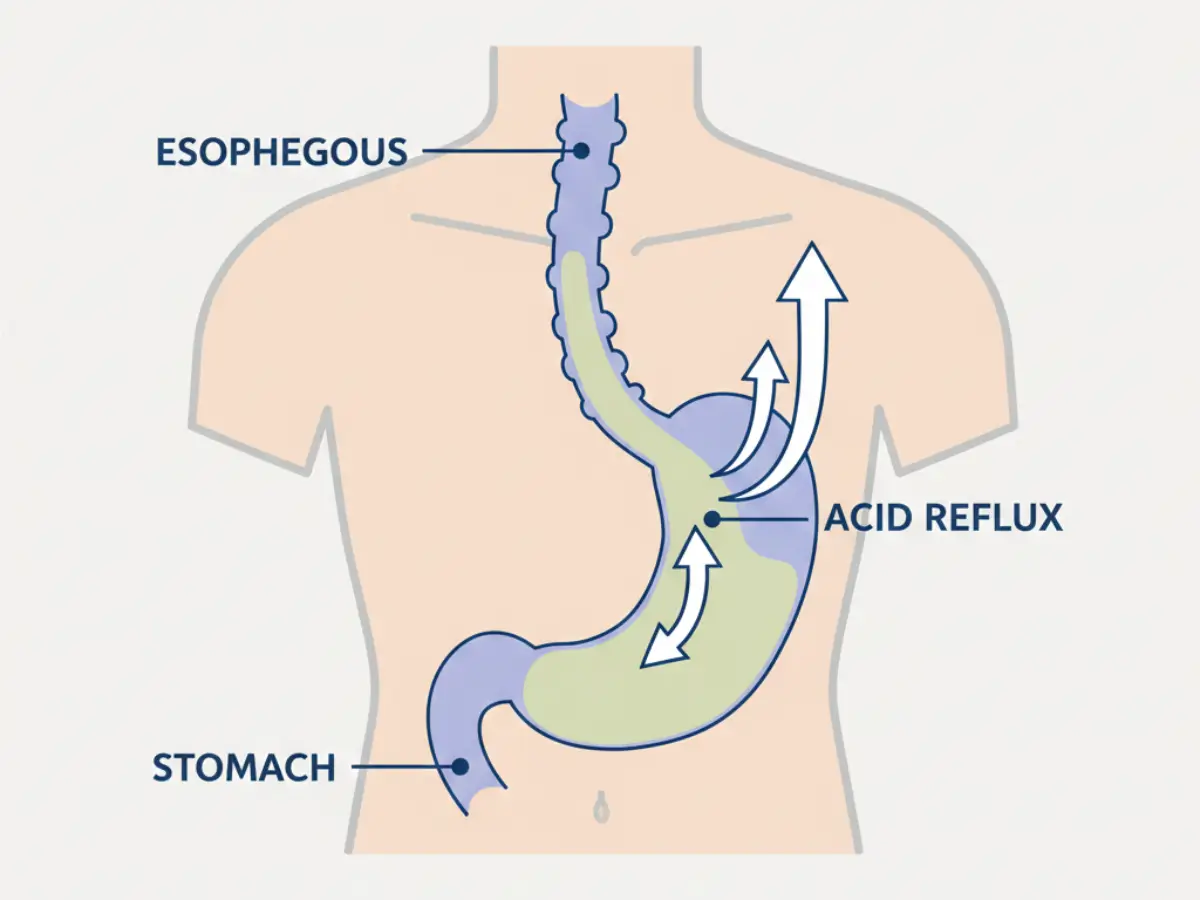
GERD is a chronic digestive condition where stomach acid frequently flows back into the esophagus. This acid reflux irritates the lining of your esophagus and can cause uncomfortable symptoms.
What is the difference between GERD and acid reflux?
Acid reflux is the occasional backward flow of stomach acid. GERD is chronic acid reflux that occurs at least twice a week. While everyone experiences acid reflux occasionally, GERD is a more serious medical condition that requires professional treatment.
Can I live a normal life with GERD?
Acid reflux is the occasional backward flow of stomach acid. GERD is chronic acid reflux that occurs at least twice a week. While everyone experiences acid reflux occasionally, GERD is a more serious medical condition that requires professional treatment.

Symptoms of GERD
Understanding your symptoms helps you communicate effectively with your doctor and get the right treatment
What are the 8 symptoms of GERD?
The most common signs of GERD include:
Persistent Heartburn
Burning sensation in your chest
Regurgitation
Acid or food backing up into your throat
Difficulty Swallowing
Feeling like food is stuck
Chest Pain
Often mistaken for heart issues
Chronic Cough
Especially at night
Hoarseness
Vocal changes or sore throat
Nausea
Feeling sick to your stomach
Sleep Disruption
Waking up due to reflux symptoms
Symptoms of GERD in Women
Women may experience additional symptoms including:
- Acid reflux nausea, particularly in the morning
- Stomach acid reflux during pregnancy
- GERD feeling of tightness in the chest
- Gastroesophageal reflux pain between shoulder blades
What are the symptoms of too much acid in your stomach?
Excessive stomach acid can cause:
- Burning sensation in your stomach or chest
- Frequent burping or belching
- Bitter or sour taste in your mouth
- Stomach pain or discomfort
- Bloating and gas
What are the red flags of GERD?
Seek immediate medical attention if you experience:
- Severe chest pain
- Difficulty breathing
- Vomiting blood or black material
- Black, tarry stools
- Unexplained weight loss
- Severe difficulty swallowing
- Important: These signs may indicate serious complications that require urgent care. Don't wait — seek medical attention immediately.
Causes and Risk Factors
Why do I suddenly have GERD?
GERD can develop due to several factors:
Weakened lower esophageal sphincter (LES)
This circular muscle fails to close tightly or relaxes at the wrong time, allowing stomach acid to flow backward into the esophagus.
Hiatal hernia
The top of the stomach pushes through the diaphragm, which compresses the esophagus, traps acid, and weakens the support for the LES.
Obesity or recent weight gain
Increased abdominal weight puts extra pressure on the stomach and LES, which can stretch and weaken the muscles over time.
Pregnancy
Hormones cause the LES to relax while the growing fetus increases pressure in the abdomen, pushing acid upward.
Certain medications
Drugs such as NSAIDs, benzodiazepines, and calcium channel blockers can have a relaxing effect on the LES or irritate the esophagus.
Smoking
Tobacco smoke relaxes the LES, triggers coughing that weakens the diaphragm, and causes the stomach to produce more acid.
Can anxiety cause GERD?
Yes. Anxiety can worsen GERD symptoms. Stress increases stomach acid production and can affect how your digestive system functions. Managing stress through relaxation techniques may help reduce reflux symptoms.
Can low iron cause GERD?
While low iron doesn’t directly cause GERD, iron supplements taken to treat anemia can irritate the esophagus and worsen acid reflux symptoms. If you need iron supplements, talk to your doctor about the best form and timing to minimize reflux.
Diagnosis
Your gastroenterologist may use several methods to diagnose GERD:
Medical history review
Discussing your symptoms and triggers
Endoscopy
Examining your esophagus with a camera
pH monitoring
Measuring acid levels in your esophagus
Esophageal manometry
Testing esophageal muscle function
Barium swallow
X-ray imaging of your digestive tract
Treatment Options
How to make acid reflux go away?
Immediate Relief Strategies
Quick actions that help ease reflux symptoms, especially after meals.
- Avoid lying down for 3 hours after eating
- Elevate the head of your bed 6-8 inches
- Eat smaller, more frequent meals
- Wear loose-fitting clothing
- Chew gum to stimulate saliva production
- Avoid lying down for 3 hours after eating
Surgical Options
Procedures used when lifestyle changes & medications fail to help.
Fundoplication
Wrapping the upper stomach around the LES
LINX device
Magnetic beads to strengthen the LES
TIF procedure
Endoscopic treatment to reconstruct the valve
Dietary Modifications
Food and lifestyle changes that help control acid reflux symptoms.
- Eliminate trigger foods and limit alcohol consumption
- Eat smaller portions and stop eating at least 3 hours before bedtime
- Stay upright after meals
- Maintain a healthy weight
- Quit smoking
- Reduce stress through relaxation techniques such as meditation or yoga
- Note: For medication options, please consult with your healthcare provider who can recommend appropriate treatments based on your specific condition.
Complications
What happens if GERD is left untreated?
Untreated GERD can lead to serious complications:
Esophagitis
Inflammation and damage to the esophagus
Esophageal stricture
Narrowing of the esophagus
Barrett's esophagus
Precancerous changes in esophageal tissue
Esophageal cancer
Rare but serious risk
Respiratory problems
Asthma, chronic cough, pneumonia
Dental erosion
Acid damaging tooth enamel
These complications make it essential to seek treatment early.
When to See a Doctor
What kind of doctor treats GERD?
A gastroenterologist is the specialist who treats GERD and other digestive disorders. These board-certified physicians have advanced training in diagnosing and managing acid reflux disease.
You should consult a GERD specialist if you:
- Experience heartburn more than twice a week
- Have difficulty swallowing
- Have persistent nausea or vomiting
- Need over-the-counter antacids daily
- Experience unexplained weight loss
- Notice symptoms interfering with daily life

Expert GERD Treatment in Daly City, California
At Center for Diabetes and Cardiometabolic Health (CDCH), our experienced team provides comprehensive care for gastroesophageal reflux disease and related digestive conditions.


Board Certified
All providers meet the highest standards of care
Same-Week Appointments
Quick access to expert care when you need it
Local to Bay Area
Serving Daly City, San Francisco & surrounding areas
Our team uses advanced diagnostic tools and evidence-based treatments to help you find relief from reflux symptoms. We create personalized treatment plans that address your unique needs and concerns.
Frequently Asked Questions

GERD is manageable and often controllable, but not always "curable" in the traditional sense. Many patients achieve complete symptom relief through lifestyle changes and medication. Some may require ongoing treatment to prevent symptoms from returning.
With proper treatment, most people notice improvement within 2-4 weeks. Complete healing may take 8-12 weeks depending on severity.
Mild cases may improve with lifestyle changes alone. However, moderate to severe GERD typically requires medical treatment.
There is a genetic component. If family members have GERD, you have a higher risk of developing it.
Yes. Infants and children can develop GERD. Symptoms may differ from adults and require pediatric evaluation.
Moderate exercise can help, but avoid high-impact activities immediately after eating. Wait at least 2-3 hours after meals before exercising.
Yes. Gastroesophageal reflux pain can radiate to the back, particularly between the shoulder blades.
Take Control of Your Digestive Health
Don’t let GERD control your life. Effective treatment options are available, and relief is possible. Whether you’re experiencing frequent heartburn, nausea, or difficulty swallowing, our team can help.
- Same-week appointments available
- Board-Certified Specialists
- Personalized Treatment Plans