Upper GI Endoscopy in Daly City, San Francisco
The Center of Diabetes and Cardiometabolic Health (CDCH) provides accurate and comprehensive Upper GI Endoscopy (EGD) in Daly City, San Francisco. Our board-certified specialists use advanced endoscopes to examine the esophagus, stomach, and duodenum, detecting conditions like GERD, ulcers, Barrett’s esophagus, and early-stage cancers with precision and minimal discomfort.
What Is an Upper GI Endoscopy?
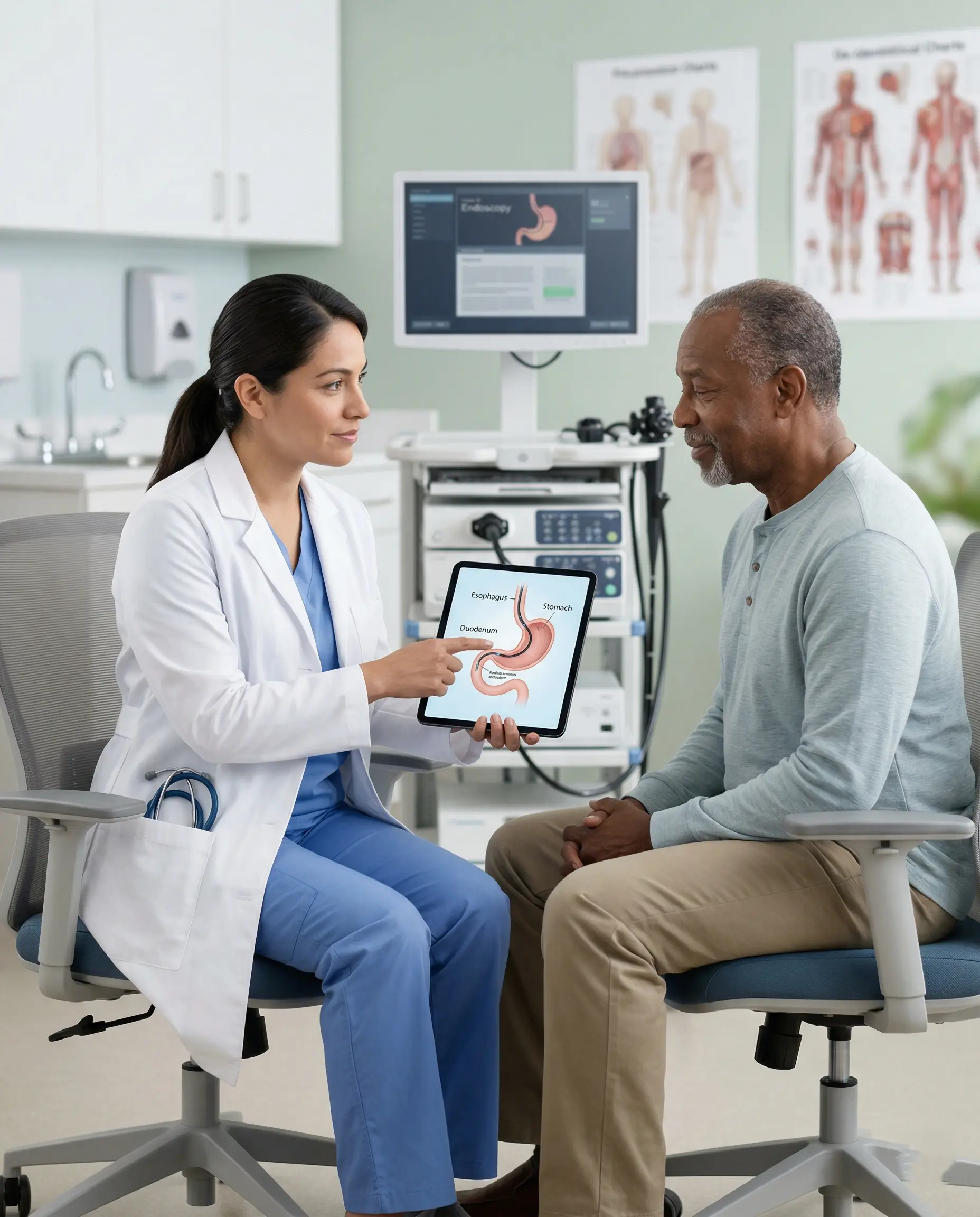
An upper GI endoscopy is a 15-30 minutes minimally invasive procedure. Our broad certified professionals use it to examine your esophagus, stomach, and duodenum.
We insert a thin, flexible tube with a high-definition camera through your mouth. This gives us a clear, real-time view of your upper digestive system. No imaging scan can match the detail this procedure provides.
You may also hear us call it a gastroscopy, upper endoscopy, or EGD. These terms describe the same examination of your upper digestive tract. We use this procedure to diagnose your symptoms and treat certain conditions in the same appointment.
Why Early Diagnosis of Digestive Conditions Is Essential
Digestive disease rarely shows clear symptoms in the early stages. Many patients dismiss persistent heartburn as stress. Others blame mild nausea on their diet. Upper abdominal discomfort often goes ignored for months. By the time symptoms become severe, the condition has already progressed.
Upper GI endoscopy allows us to act early. We see exactly what is happening inside your digestive tract before complications develop. Conditions like Barrett’s esophagus, gastric ulcers, and early esophageal cancer respond better to early treatment. Waiting too long limits your treatment options significantly.
Act early to expand your treatment options.
What Can an Upper GI Endoscopy Detect?
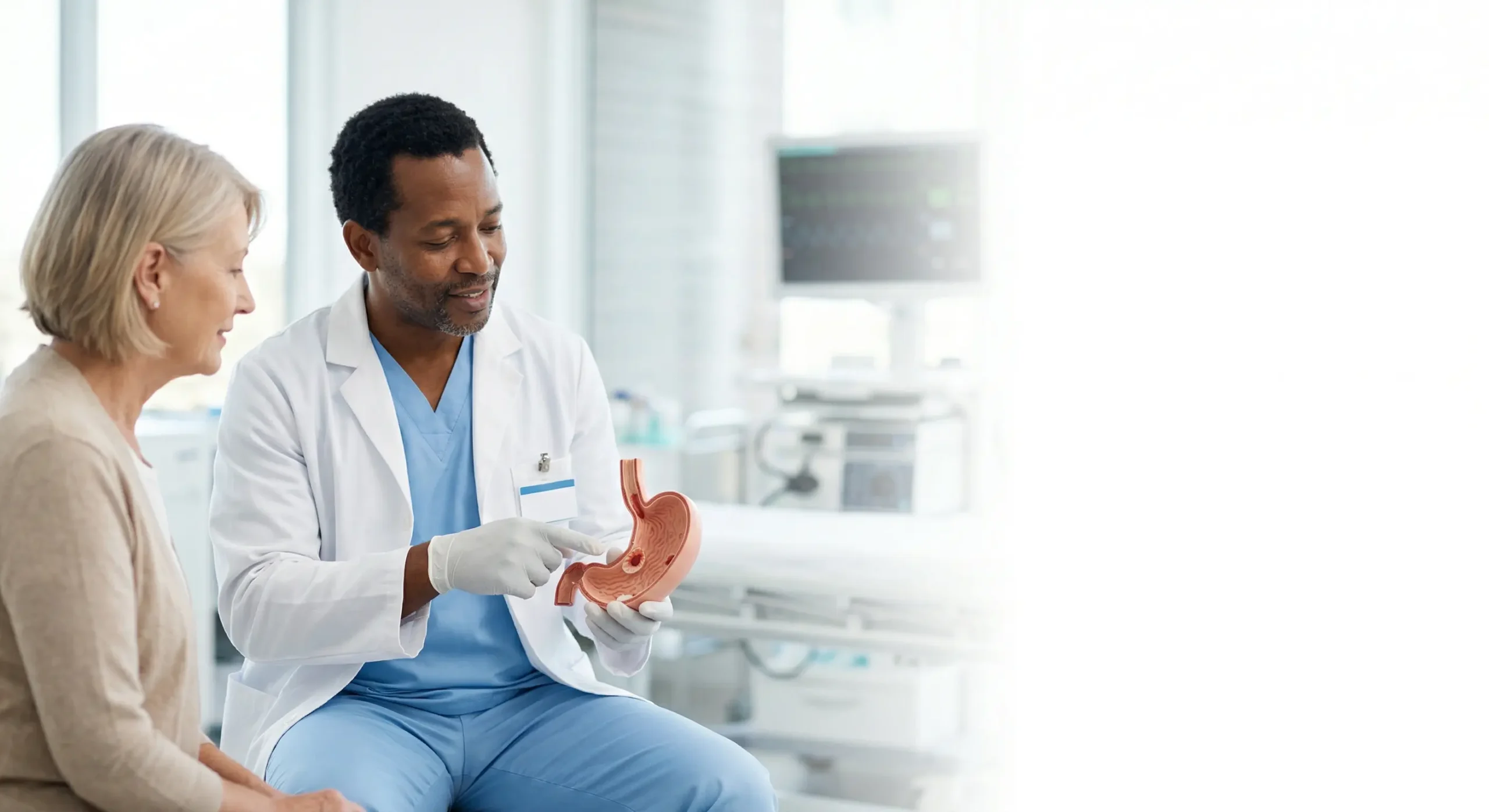
Our upper GI endoscopy gives our gastroenterologists a direct view of your upper digestive tract. We use it at CDCH to identify a wide range of conditions, including:
- Chronic acid reflux and GERD
- Gastric and duodenal ulcers
- Barrett's esophagus
- H. pylori infection
- hiatal hernia
- Gastritis and stomach inflammation
- Esophageal narrowing or strictures
- Celiac disease
- Gastrointestinal bleeding
- Polyps and abnormal tissue growths
- Unexplained iron deficiency anemia
- Precancerous changes in the esophagus or stomach
- Early-stage esophageal or stomach cancer
- Swallowing difficulties from structural abnormalities
Gastroscopy vs Endoscopy
Patients often ask us about the difference between gastroscopy and endoscopy. Both terms refer to the same procedure. Gastroscopy refers specifically to examining the stomach. Endoscopy is a broader term for any procedure using an endoscope. Upper GI endoscopy (EGD) looks at the esophagus, stomach, and duodenum. It provides a complete evaluation of the upper digestive tract.
Who Should Consider an Upper GI Endoscopy?
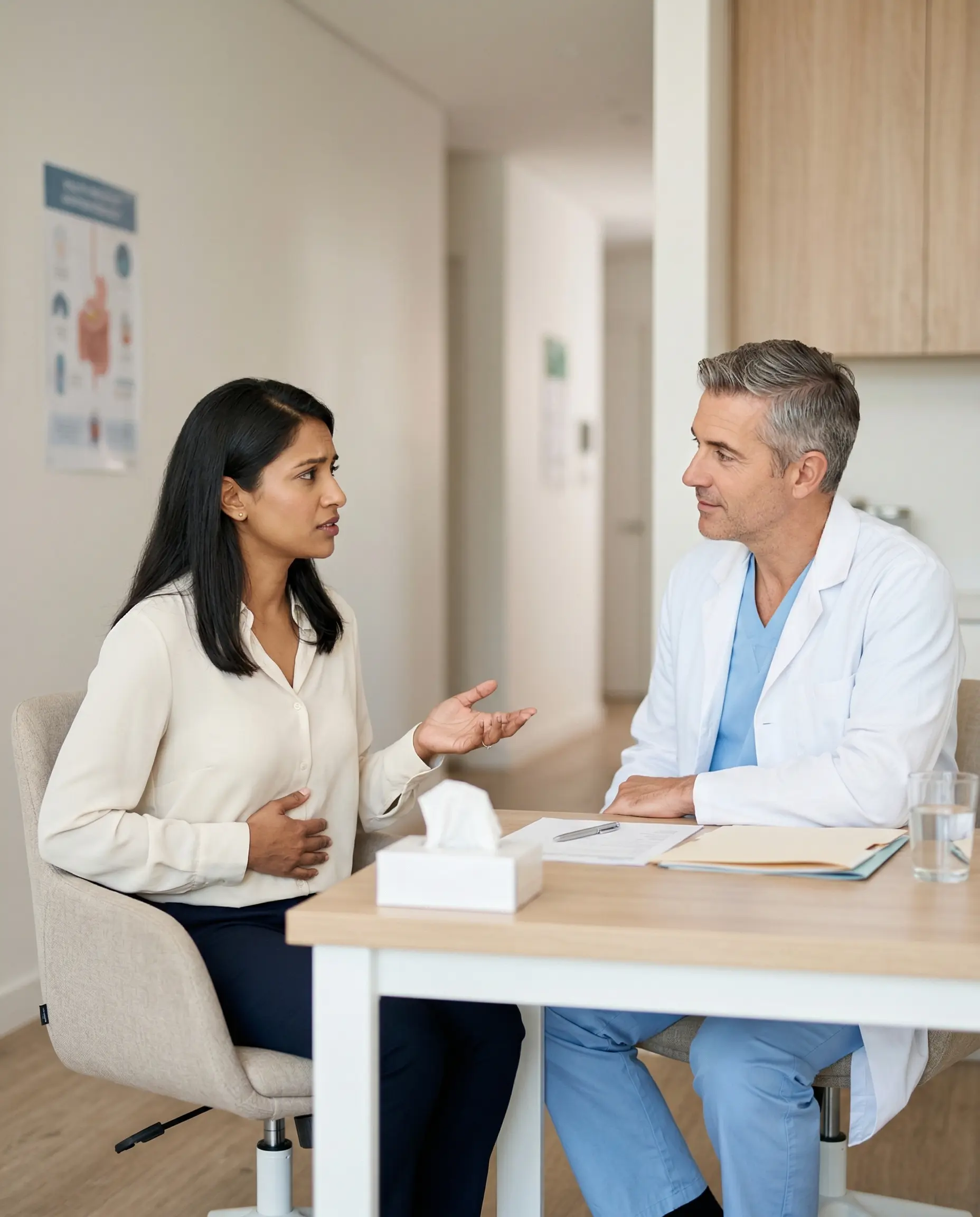
We recommend an upper GI endoscopy for patients with persistent, unexplained, or treatment-resistant digestive symptoms. Our Daly City clinic serves a wide range of patients, including the following.
Who Should Consider an Upper GI Endoscopy?
We recommend an upper GI endoscopy for patients with persistent, unexplained, or treatment-resistant digestive symptoms. Our Daly City clinic serves a wide range of patients, including the following.
Symptomatic Patients
- Sleep apneaPersistent heartburn or acid reflux not controlled by medication
- Difficulty swallowing or sensation of food getting stuck
- Chronic nausea, vomiting, or unexplained bloating
- Ongoing upper abdominal pain or pressure
- Unintentional weight loss without a clear cause
Patients with Abnormal Test Results
- Unexplained iron deficiency or anemia
- Black or tarry stools suggesting possible internal bleeding
- Elevated inflammatory markers alongside digestive symptoms
Patients with Diagnosed Conditions
- Confirmed or suspected GERD requiring severity assessment
- Known H. pylori infection needing biopsy confirmation
- History of Barrett's esophagus requiring surveillance
- Prior gastric ulcers needing follow-up evaluation
Preventive and High-Risk Screening
- Family history of stomach or esophageal cancer
- Long-term use of NSAIDs or anti-inflammatory medications
- Patients over 50 with new or changing digestive symptoms
- Anyone whose physician has recommended a baseline digestive evaluation
How to Prepare for an Upper GI Endoscopy
Our team keeps the upper GI Endoscopy preparation simple and straightforward. Following these steps helps your procedure go smoothly and ensures accurate results.
Before Your Appointment
- Avoid all food and drink for 6 to 8 hours before the procedure
- Do not smoke on the day of your appointment
- Wear loose, comfortable clothing to your visit
Medications and Medical History
- Review all your current medications with our team beforehand
- Ask our team whether you need to pause blood thinners before the procedure
- Tell us about any known allergies, especially to sedatives
- Share any history of heart or lung conditions with our physicians
Practical Arrangements
- Arrange for someone to drive you home after your appointment
- Plan to rest for the remainder of the day if we use sedation
- Avoid alcohol and important decisions for the rest of that day
What to Expect During Your Upper GI Endoscopy at CDCH
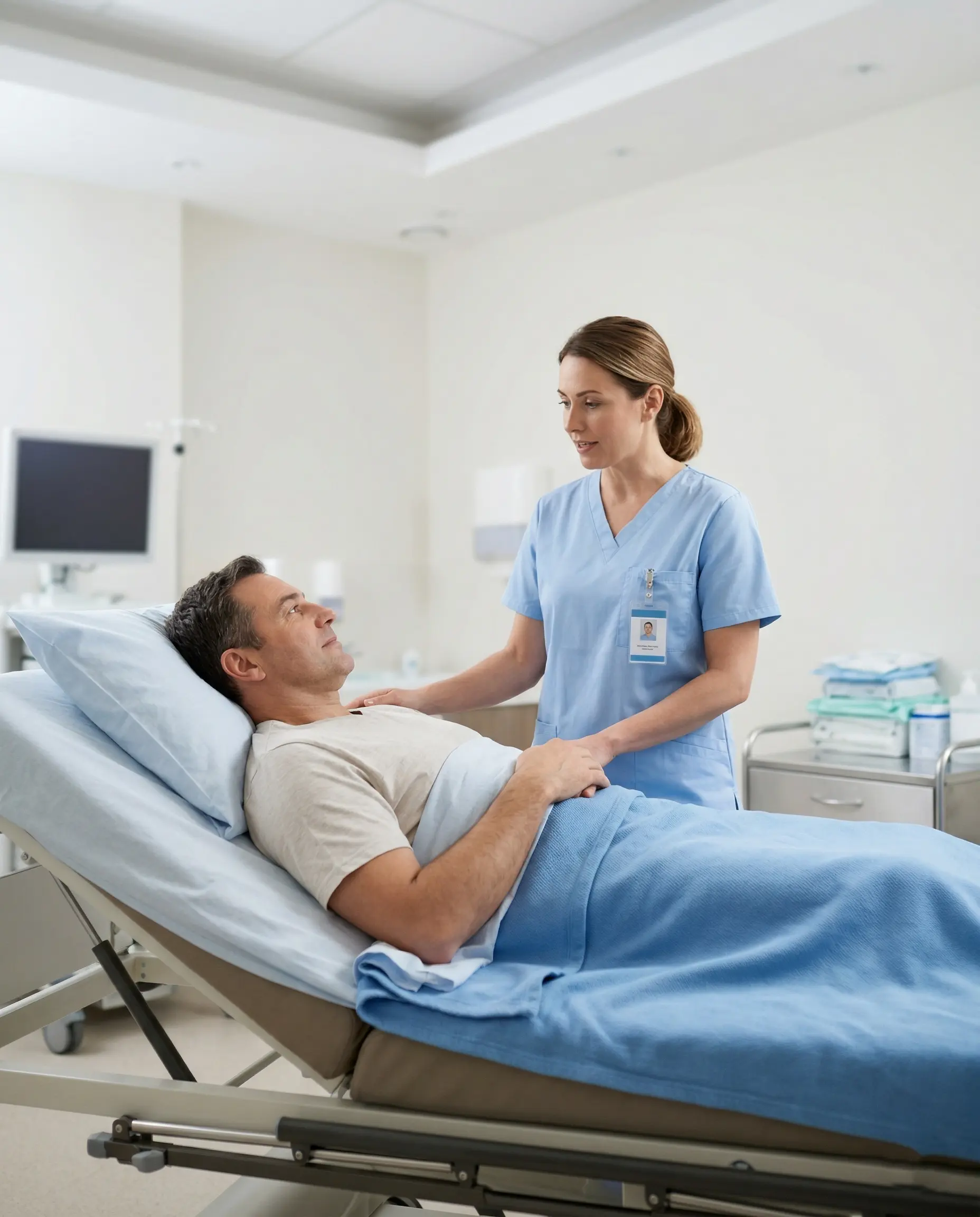
At CDCD, we want every patient to feel informed and at ease before their appointment. Here is exactly what your procedure of upper Endoscopy looks like with us.
Step 1: Arrival and Medical Review
Our team reviews your medical history, current symptoms, and any prior test results. This helps us tailor the procedure specifically to your needs.
Step 2: Pre-Procedure Preparation
We position you comfortably on the procedure table. Our team applies a numbing spray to your throat and places an IV line for sedation.
Step 3: Sedation
We administer a mild sedative to keep you relaxed and comfortable. You do not need general anesthesia for this procedure.
Step 4: The Examination
Our physician guides the endoscope gently through your mouth into your esophagus, stomach, and duodenum. Real-time images appear on a monitor and give our team a detailed view of each area.
Step 5: Biopsy or Treatment if Needed
We collect a small tissue sample painlessly if we identify anything that needs further evaluation. We also address bleeding sources or removable polyps at this stage if required.
Step 6: Recovery and Results Discussion
The procedure takes 15 to 30 minutes. You rest briefly while the sedation wears off, and our physician walks you through the initial findings before you leave.
What Does Upper GI Endoscopy Recovery Look Like?
Most of our patients recover quickly and go home the same day. Recovery is simple, and most people return to their normal routine the following morning.
What to Expect After the Procedure
- You may notice mild throat soreness for a day or two after the scope passes through.
- Light bloating or minor cramping is common and fades within a few hours.
- Drowsiness from sedation is normal, so plan to rest for the remainder of the day.
- Most symptoms resolve completely within 24 hours without any special treatment.
What We Recommend During Recovery
- Start with soft foods and fluids for the first few hours after your procedure.
- Avoid alcohol for the rest of the day following your appointment.
- Do not drive or operate machinery until the sedation has fully worn off.
- Arrange for a family member or friend to take you home from our clinic.
When to Contact Our Team
- Reach out to us right away if you develop severe abdominal pain or persistent vomiting.
- Contact our clinic immediately if you notice fever or signs of bleeding after leaving.
- Call us if difficulty swallowing or chest pain develops in the hours after your procedure.
These symptoms are uncommon, but our team is available and ready to help promptly.
Why Choose CDCH for Upper GI Endoscopy in Daly City, San Francisco?
At CDCH, we do more than perform a procedure. We connect your digestive health findings to your overall metabolic and cardiovascular wellness. This allows us to build care that addresses the actual root cause of your condition. Most patients in Daly city trust us because,
Our gastroenterology team brings decades of hands-on endoscopy experience to every appointment
We use advanced endoscopic equipment for precise and comfortable examinations
We discuss your results with you the same day so you leave with clear answers
We accept Medicare, Cigna, Fidelis Care, Beacon, and Carelon
We build a personalized treatment plan for every patient based on their individual findings
We connect GI health with diabetes, obesity, and cardiometabolic conditions in our care model
Meet Our Team
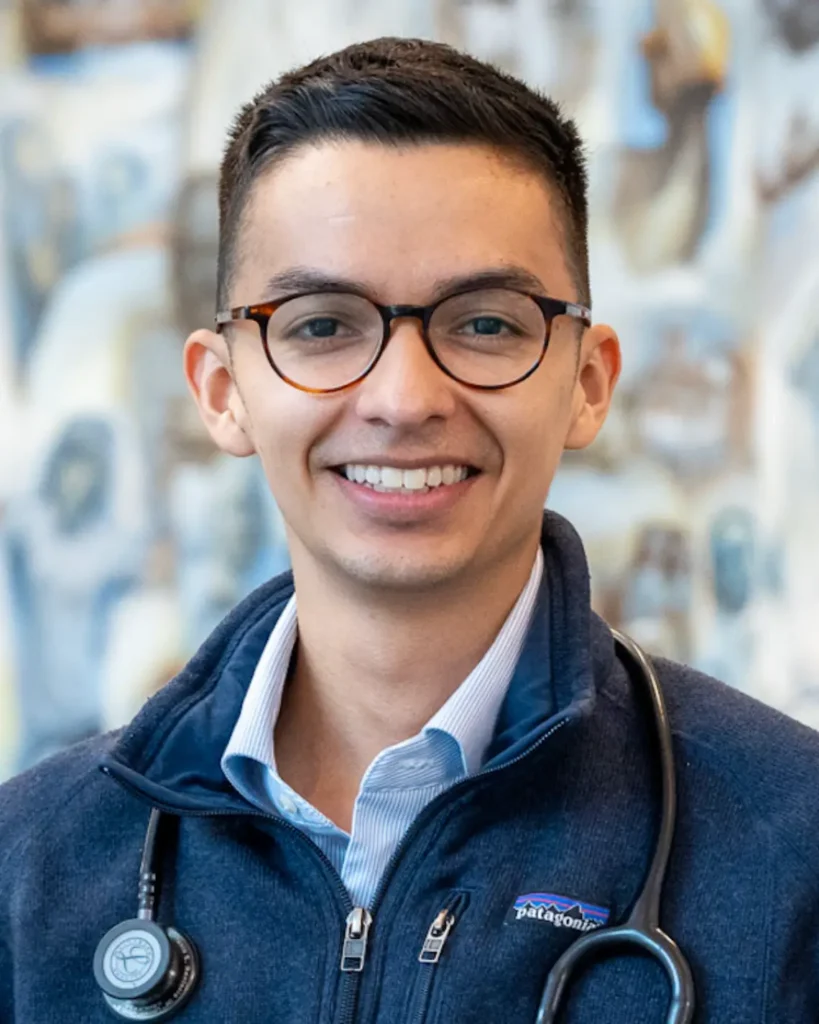
Know our broad certified specialists at CDCH who combine clinical precision with genuine patient care. Our team explains your results clearly, answers every question directly, and stays involved in your care long after the procedure.
Board Certified
All providers meet the highest standards of care
Same-Week Appointments
Quick access to expert care when you need it
Local to Bay Area
Serving Daly City, San Francisco & surrounding areas
Conveniently Located in Daly City, San Francisco
Are you looking for an upper GI endoscopy near me? Our CDCH clinic sits conveniently in Daly City, just minutes from San Francisco. We offer same-week appointments and a streamlined check-in process. Our patient-first approach makes getting the answers you need simple and stress-free.
Frequently Asked Questions About Upper GI Endoscopy in Daly City, San Francisco

Most of our patients do not find the procedure painful at all. We use a mild sedative to keep you relaxed and comfortable throughout the examination. You may notice mild throat soreness or light bloating afterward, but these sensations are temporary and typically resolve within a day.
The procedure itself usually takes between 15 and 30 minutes. You will spend some additional time at our Daly City clinic for preparation before the procedure and a short recovery period afterward. Plan for a total appointment of approximately one to two hours.
Our upper GI endoscopy helps diagnose a wide range of digestive conditions. We use it to identify GERD, stomach ulcers, gastritis, inflammation, gastrointestinal bleeding, tumors, Barrett's esophagus, H. pylori infection, and other conditions affecting your upper digestive tract.
Yes, but we recommend waiting until the numbness in your throat fully wears off before eating or drinking. Once it does, start with soft foods and light fluids. Most of our patients return to their normal diet by the following day without any issues.
Yes, a mild sore throat after gastroscopy is completely normal. It occurs because the endoscope passes through your throat during the procedure. The soreness is minor and usually improves on its own within one to two days after your appointment at our clinic.
Yes. Our gastroscopy is one of the most effective tools we use to detect cancer early. We can identify stomach cancer, esophageal cancer, precancerous tissue changes, and abnormal growths during the procedure. If we find suspicious tissue, we collect a biopsy in the same appointment and send it for laboratory analysis.
Self-pay costs for upper endoscopy can vary significantly depending on the procedure and the facility. At CDCH, we accepts most insurance plans to make the treatment affordable for you. Contact us to know if we cover your plan benefits.
Get a Complete View of Your Digestive Health in Under 30 Minutes
- Same-week appointments available
- Board-Certified Specialists
- Personalized Treatment Plans