
H. Pylori Infection Treatment in Daly City, San Francisco
At CDCH, we provide H. Pylori Infection Treatment in Daly City, San Francisco. Our specialists accurately diagnoses and create a personalized H. pylori treatment plan based on your symptoms and testing. We connect your H. pylori care to your broader digestive and metabolic health so you get support for long-term digestive health and symptom improvement.

What Is H. Pylori Infection
Helicobacter pylori infection, or H. pylori infection, is a common type of bacteria that infects the stomach lining. According to the Mayo Clinic, more than half the people in the world carry this infection at some point in their lives.
H. pylori burrows into the protective mucus lining of the stomach. It releases enzymes and toxins that weaken the stomach lining over time. This damage triggers inflammation and creates conditions where peptic ulcers and other serious digestive complications can develop.
The World Health Organization has classified H. pylori as a carcinogen. Infected patients carry a two to six times higher risk of developing stomach cancer compared to uninfected individuals, according to the CDC.
What Causes H. Pylori Infection
H. pylori spreads through contact with contaminated saliva, vomit, or stool. It also spreads through tainted food and water.
Understanding your exposure risks helps guide early evaluation, diagnosis, and appropriate treatment strategies.
Common risk factors for H. pylori infection include:
- Living in crowded household conditions with many people
- Drinking water from an untreated or unreliable water supply
- Growing up in a developing country where sanitation standards vary
- Sharing food, utensils, or drinks with an infected person
- Poor hand hygiene after using the toilet or before eating
- History of peptic ulcer disease or chronic gastritis
- Family history of stomach cancer or H. pylori infection
H. Pylori Symptoms Which Patients Notice
Most patients with H. pylori infection experience no symptoms at all. When symptoms do appear, they typically come from inflammation of the stomach lining or a developing peptic ulcer. Symptoms of H. pylori infection may worsen over time in some patients.
Common H. pylori infection symptoms include:
A dull aching or burning pain in the upper abdomen
Stomach pain that feels worse when the stomach is empty
Persistent nausea or an unsettled stomach
Frequent burping throughout the day
Loss of appetite or reduced interest in eating
Unexplained weight loss over a short period
Bloating and abdominal discomfort after meals
Dark or tarry stools, which may signal internal bleeding
Complications of Untreated H. Pylori Infection
Untreated H. pylori allows the bacteria to continue damaging the stomach lining over time. This damage leads to serious digestive complications in some cases.
Peptic Ulcers
H. pylori is the leading cause of peptic ulcers worldwide. The bacteria weaken the stomach's protective mucus layer. This allows stomach acid to erode the lining and create open, painful sores in the stomach or upper small intestine.
Gastritis
Ongoing H. pylori infection causes chronic inflammation of the stomach lining, known as gastritis. Untreated gastritis leads to persistent pain, digestive dysfunction, and a higher risk of further complications over time.
Stomach Cancer
H. pylori is the strongest known risk factor for non-cardia gastric cancer. Infected patients have a significantly higher risk of developing stomach cancer and MALT lymphoma compared to uninfected individuals.
Gastrointestinal Bleeding
Peptic ulcers caused by H. pylori can bleed internally. Bleeding ulcers cause dark tarry stools, vomiting of blood, and severe abdominal pain that requires immediate medical care.
H. pylori and Stomach Cancer Risk
The connection between H. pylori and stomach cancer is well established in medical research. Research published through the NCBI reports that H. pylori as a carcinogen and states that infected individuals face a two to six times higher risk of developing gastric cancer and MALT lymphoma compared to uninfected individuals. Most patients with H. pylori do not develop stomach cancer.
H. pylori causes long-term inflammation and cellular changes in the stomach lining over years and decades. These changes can progress from chronic gastritis to atrophic gastritis, intestinal metaplasia, and eventually gastric cancer if the infection remains untreated for a long period of time.


How We Diagnose H. pylori at CDCH
We want every patient to understand exactly what happens during their H. pylori evaluation step by step at our Daly City clinic.
Step 1: Symptom and Medical History Review
Our gastroenterology team asks about your current digestive symptoms and how long you have had them. We also review your past medical history, prior ulcer diagnoses, and any previous H. pylori treatment. This step gives us a clear starting point for your evaluation.
Step 2: Risk Factor and Exposure Assessment
We go through your personal risk factors for H. pylori infection. These include your living conditions, travel history, and family history of stomach disease. It helps us decide how urgently you need testing and which test suits your situation best.
Step 3: Selecting the Right Diagnostic Test
Our specialists explain each available test option to you clearly and simply. For most patients, we recommend a non-invasive stool antigen test or urea breath test. For patients already needing an endoscopy, we perform a rapid urease test on a biopsy sample during the same procedure.
Step 4: Sample Collection and Laboratory Testing
We collect your sample and send it to the laboratory for analysis. CDCH team contacts you as soon as the results are available. We explain your results in simple terms so you fully understand your diagnosis.
Step 5: Additional Evaluation if Symptoms Suggest Complications
If your symptoms suggest a peptic ulcer or significant stomach damage, we recommend upper GI endoscopy. This gives us a direct view of your stomach lining and confirms whether H. pylori has caused further digestive damage that needs treatment.
Step 6: Treatment Plan Discussion
Once we confirm your diagnosis, CDCH providers will explain your full treatment plan clearly. We cover your eradication regimen, what to expect during treatment and follow-up care, and when to return for your follow-up confirmation test.
Who Should Get Tested for H. pylori at CDCH
We recommend H. pylori testing for patients with active digestive symptoms, risk factors for infection, or a history of related digestive conditions. Early testing leads to faster treatment, and early evaluation may help identify complications sooner.

Patients with Active Digestive Symptoms
- Persistent burning or aching pain in the upper abdomen
- Recurring nausea, bloating, or loss of appetite
- Unexplained weight loss alongside digestive discomfort
- Dark or tarry stools suggest possible internal bleeding
Patients with Related Digestive Conditions
- Diagnosed with a peptic ulcer or chronic gastritis
- History of recurrent stomach pain without a confirmed cause
- Patients whose ulcers have not healed with standard acid treatment
- Anyone with ongoing Indigestion not responding to dietary changes
Patients with Elevated Risk Factors
- Family history of stomach cancer or H. pylori infection
- History of living in a developing country or crowded conditions
- Patients with a previous H. pylori diagnosis needing re-evaluation
- Anyone whose physician has recommended H. pylori screening and testing
Our H. pylori Treatment Services in Daly City, San Francisco
At CDCH, Our gastroenterology team builds a personal treatment plan around your symptoms, health history, and digestive health goals.

H. pylori Testing and Diagnosis
We select the most accurate and appropriate test for your specific situation. CDCH providers explains every testing option clearly before starting. You always know what test you are having and why we recommend it for your care.

Urea Breath Test
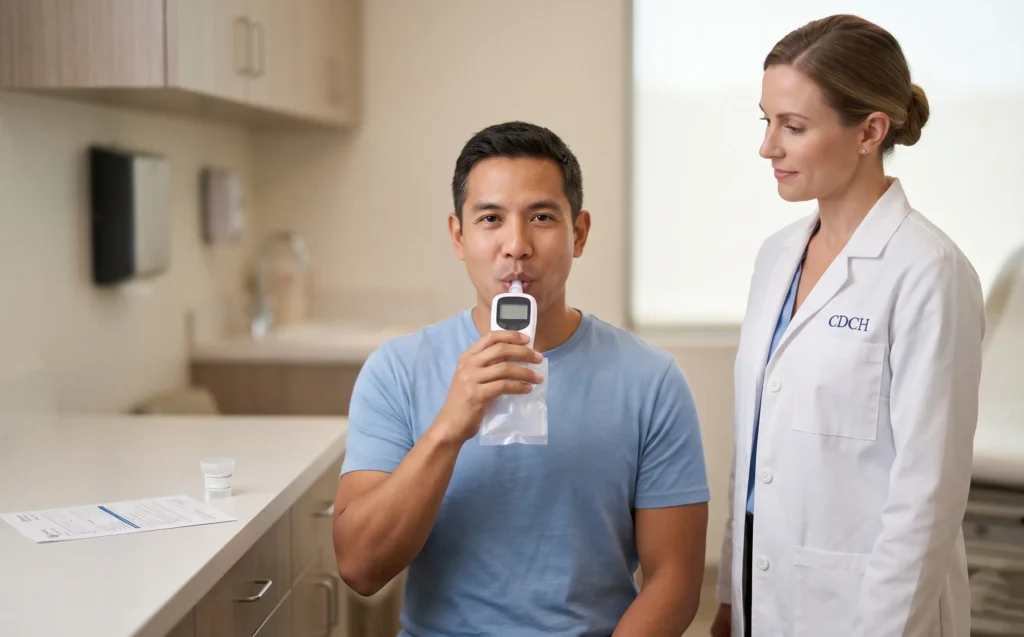
CDCH providers offers a safe and comfortable urea breath test for patients who need non-invasive H. pylori detection. You swallow a small test solution and breathe into a collection device. Our specialists handles the entire process and explains your results as soon as they are ready.

Stool Antigen Testing
We use stool antigen testing to detect H. pylori accurately without any invasive procedure. Our team also uses this same test after treatment to confirm the infection is fully gone. We guide you through sample collection simply and comfortably at our clinic.

Endoscopic Biopsy and Rapid Urease Test
For patients who need upper GI endoscopy, we collect a small tissue sample and test it for H. pylori directly. Our gastroenterology team examines your stomach lining at the same time and identifies any ulcers or damage caused by the infection.

H. pylori Eradication Treatment
We prescribe a guideline based treatment approach to eliminate H. pylori from your stomach. Our team follows current clinical guidelines and tailors your treatment to your health profile. We provide clear instructions and support you through every day of your treatment course.

Acid Suppression and Gastric Protection
Our specialists may recommend therapies that support stomach healing and comfort to protect your stomach lining. These therapies may help reduce pain, support ulcer healing, and improve stomach recovery during treatment.
Post Treatment Confirmation Testing
We schedule follow-up testing at least four weeks after your treatment is complete. This confirms the infection is fully cleared before we close your care. If the infection persists, Our specialists adjusts your treatment and monitors you until eradication is confirmed.

Peptic Ulcer and Gastritis Management
Our team diagnoses and treats peptic ulcers and gastritis caused by H. pylori as part of your care plan. CDCH providers monitors your ulcer healing at every follow-up visit. We protect your stomach lining and manage your symptoms throughout your full recovery.

Digestive Health and Nutrition Counseling
We guide you on dietary habits that may support stomach comfort during recovery and habits that support faster stomach healing during treatment. Our specialists gives you practical and simple dietary advice that fits your daily routine.

What Makes CDCH the Right Choice for H. Pylori Treatment in Daly City
At CDCH, we treat H. pylori as part of your broader digestive and metabolic health picture. We connect your infection to conditions like gastritis, peptic ulcer disease, and stomach cancer risk and address everything together in one coordinated and personal care plan.
- We use clinically validated urea breath testing, stool antigen testing, and Endoscopic biopsy for accurate diagnosis
- We follow current clinical guidelines for H. pylori eradication treatment protocols
- We prescribe acid suppression therapy alongside eradication treatment to protect your stomach lining
- We confirm complete H. pylori eradication with follow-up testing at least four weeks after treatment
- We diagnose and treat peptic ulcers and gastritis caused by H. pylori as part of your care
- We provide dietary and lifestyle guidance to support healing and help reduce the risk of reinfection
- We offer prompt appointment availability for patients who need prompt evaluation and treatment
Meet Our Experts
Our gastroenterology and digestive health specialists at CDCH bring real clinical experience and genuine patient care to every appointment. Our experts answer every question you bring to your appointment and stay actively involved in your gastric health well beyond your initial treatment course at our Daly City clinic.


Board-Certified
All providers meet the highest standards of care
Same-Week Appointments
Quick access to expert care when you need it
Convenient Bay Area Location
Serving Daly City, San Francisco & surrounding areas
Specialized H. Pylori Treatment Close to Home in Daly City, San Francisco
Are you looking for H. pylori treatment near you in the Bay Area? Our CDCH clinic sits conveniently in Daly City, just minutes from San Francisco, South San Francisco, and Pacifica. We offer same-week appointments, accurate diagnostic testing, and a patient-first approach that makes getting the right treatment for your H. pylori infection straightforward and stress-free.
Frequently Asked Questions About H. Pylori Treatment in Daly City, San Francisco

Yes. H. pylori spreads through contact with infected saliva, vomit, or stool and through contaminated food and water. It is more likely to spread in crowded living conditions with poor sanitation and limited access to clean water. Family members of infected patients may benefit from testing especially if they share close living quarters or utensils regularly.
No. Most people with H. pylori infection never develop peptic ulcers. However, H. pylori is the leading cause of peptic ulcer disease and significantly raises the risk of developing ulcers compared to uninfected individuals. The likelihood of developing an ulcer depends on the strain of bacteria, your immune response, and other lifestyle factors like smoking and NSAID use.
In some patients, H. pylori infection may lead to stomach ulcers, chronic stomach inflammation, or digestive bleeding if it remains untreated for a long time. Most infections do not become serious immediately, but persistent symptoms should still be evaluated early to help reduce the risk of long-term stomach complications.
Researchers believe H. pylori infection may spread through contaminated food, water, or close contact with infected saliva or bodily fluids. Poor sanitation and crowded living conditions may increase exposure risk in some environments. Not everyone exposed to the bacteria develops symptoms right away.
Yes. H. pylori infections often begin in childhood, particularly in developing countries or crowded living conditions. A healthcare professional should evaluate children with persistent symptoms if a child develops persistent stomach pain, vomiting, poor appetite, or unexplained weight loss.
Yes. We accept Medicare, Cigna, Fidelis Care, Beacon, and Carelon. Our team verifies your insurance benefits before your appointment and walks you through your coverage and benefits, which vary by insurance plan. and payment options clearly, so you face no surprises on the day of your visit to our Daly City clinic.
H. Pylori Does Not Go Away on Its Own. Schedule an Evaluation for H. pylori Symptoms
- Same-week appointments available
- Board-Certified Specialists
- Personalized Treatment Plans