
Anal Fissure Treatment in Daly City, San Francisco
At CDCH, we provide focused and effective Anal Fissure Treatment in Daly City, San Francisco. We use a combination of targeted medical treatments, dietary guidance and digestive health care. Our services reduce pain and prevent anal fissures from coming back.
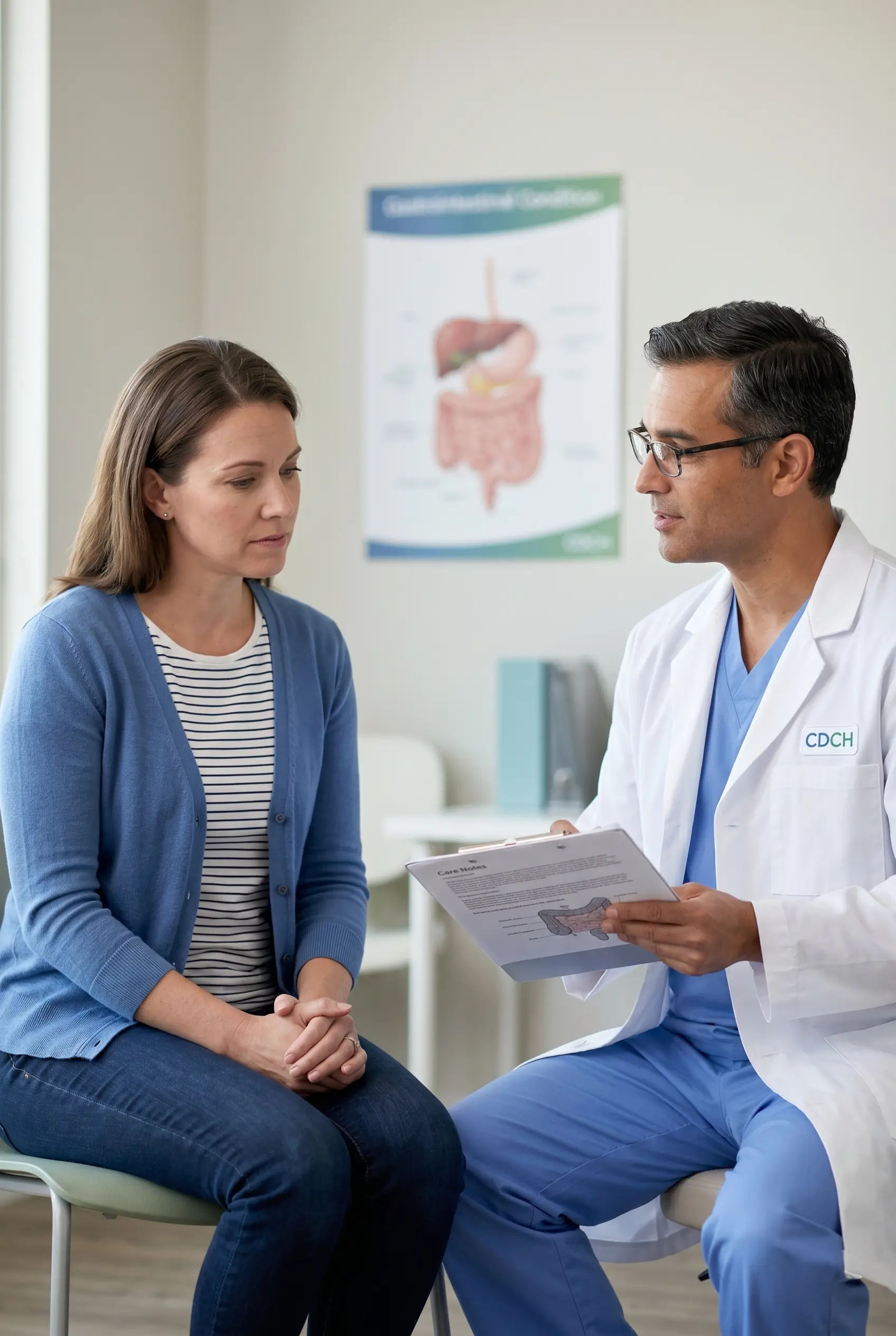
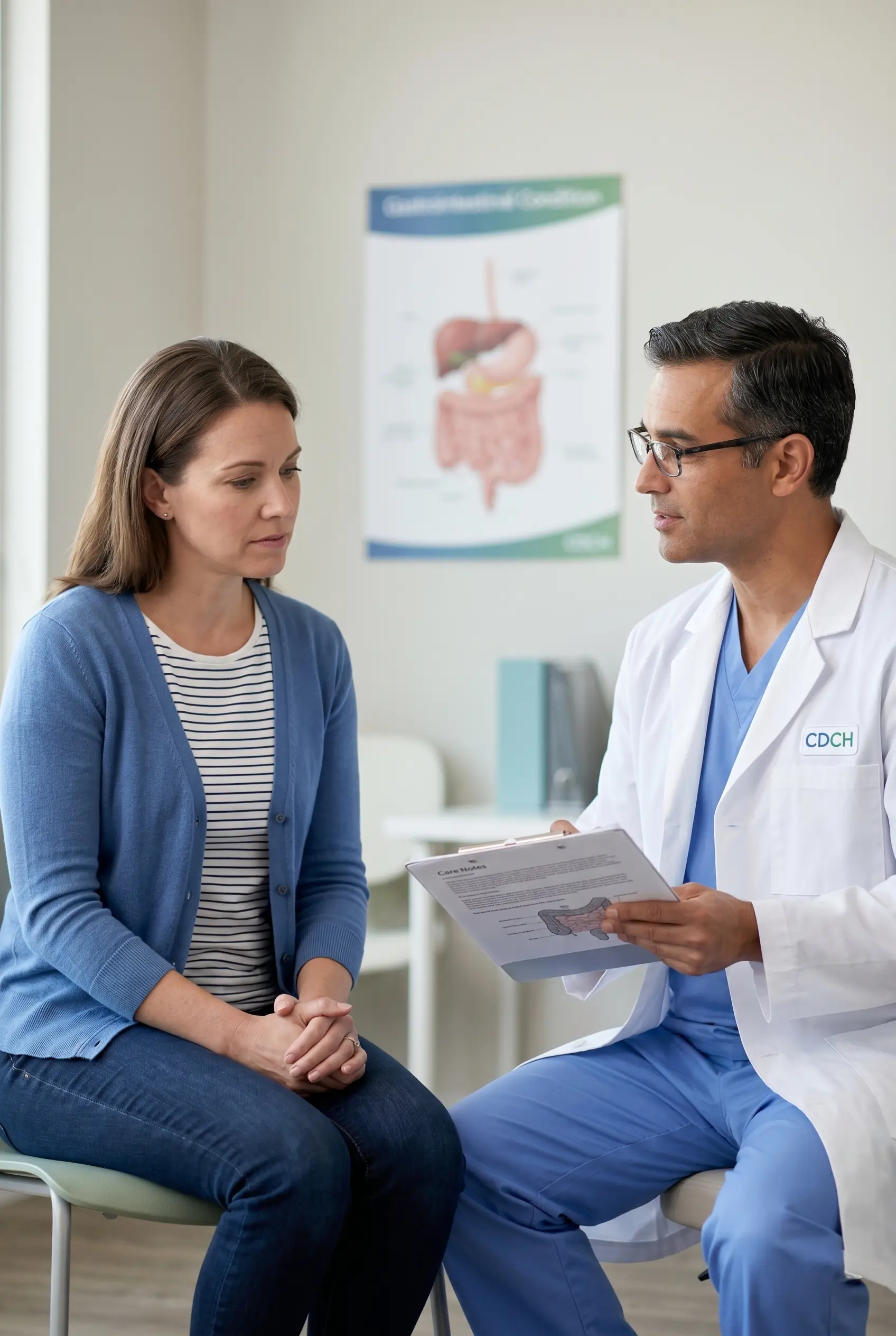
What Is an Anal Fissure?
An anal fissure is a small but painful tear in the thin tissue lining the anus. It develops when the anal tissue stretches beyond its limit during a bowel movement.
The tear exposes the internal sphincter muscle underneath. This exposure triggers muscle spasms that cause significant pain and prevent the fissure from healing on its own.
Anal fissures affect people of all ages. Most cases respond well to conservative treatment. However, fissures that last longer than eight weeks are considered chronic and require medical evaluation and targeted treatment for complete healing.
What Causes Anal Fissures to Develop?
Anal fissures may develop due to bowel habit issues, underlying digestive conditions, or physical strain on the anal tissue. Several factors can trigger or worsen anal fissures over time.
Common causes of anal fissures include:
- Passing hard or large stools during bowel movements
- Chronic constipation and repeated straining at the toilet
- Frequent or prolonged diarrhea irritates the anal tissue
- Childbirth-related strain and pressure on the anal area
- Reduced blood flow to the anorectal tissue
- Inflammatory bowel conditions like Crohn's disease
- A low fiber diet contributes to hard stools
- Previous anal procedures or injury to the anal area
Our team reviews your personal risk profile and recommends further evaluation if needed.
How Anal Fissure Symptoms Feel?
Most patients describe anal fissure as a sharp cutting or tearing sensation during bowel movements. The pain can last for minutes or even hours after passing stool.
If any of these symptoms last more than a few days, consider scheduling an evaluation.
Common signs of anal fissure that you may notice include:
- Sharp pain during or immediately after bowel movements
- Bright red blood on stool or toilet paper after a bowel movement
- Burning or persistent itching around the anal area
- A visible small crack or tear in the skin around the anus
- Painful muscle spasms in the anal area after passing stool
- Discomfort or pain while sitting for extended periods
- Avoiding bowel movements due to fear of pain
Anal Fissure vs Hemorrhoids
Many patients confuse them because both symptoms can feel similar. Both conditions affect the anal area and cause pain and bleeding. However, they are different conditions but can have similar symptoms that need different treatment approaches.
Hemorrhoids
Hemorrhoids are swollen and enlarged blood vessels located inside or around the anus. They develop when increased pressure in the lower rectum causes veins to swell and stretch. Hemorrhoids cause pressure and discomfort, fullness, itching, or a burning sensation around the anal area. The discomfort tends to be ongoing. Bleeding from hemorrhoids appears as bright red blood on toilet paper or in the toilet bowl.
Anal Fissure
Anal fissure is a physical tear in the thin skin lining the anus. It causes sharp and intense pain that happens directly after a bowel movement. The pain from an anal fissure is typically described as a cutting or tearing sensation. It can last for minutes or even hours after passing stool. Bleeding from an anal fissure also appears as bright red blood but is accompanied by this sharp, distinctive pain.
Our Services for Anal Fissure Treatment in Daly City, San Francisco
Our team builds a care plan around your symptoms, bowel habits, digestive health, and long-term healing goals. Every service we offer focuses on relieving your pain and healing the tear properly.

Symptom and Lifestyle Assessment
Our team goes through your bowel habits, daily routine, diet, and fluid intake in detail. We look for the specific triggers making your fissure worse or stop it from healing. These may include chronic straining, a low fiber diet, or an irregular bathroom routine affecting your recovery.

Gentle Physical Examination
We carry out a careful and sensitive examination to confirm your anal fissure and check how severe it is. Our team takes every measure to keep you comfortable and at ease throughout the examination. We explain exactly what we find before discussing any next steps with you.
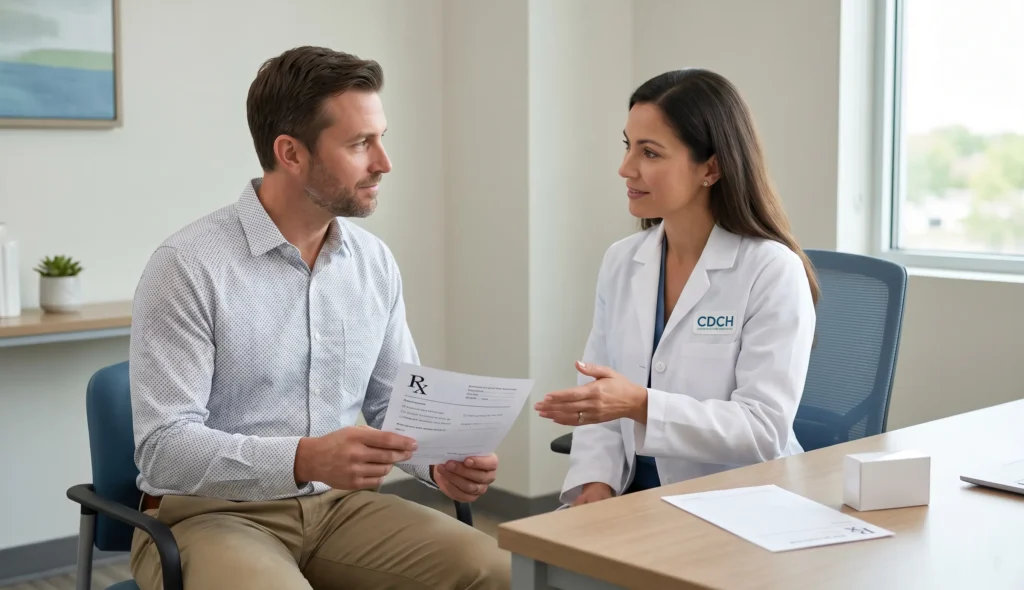
Medication Management
Our anal fissure specialists prescribe medications based on the severity and type of your anal fissure, specifically. Topical or clinician-prescribed treatments, when appropriate, help widen blood vessels, restore circulation to the healing tissue, relax the internal sphincter muscle and reduce painful spasms.
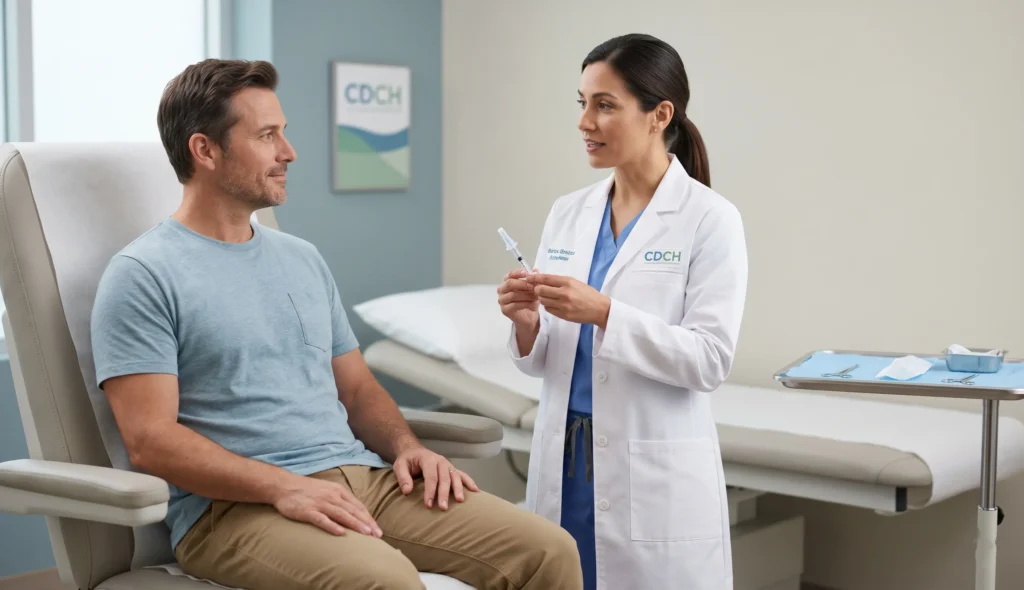
Botox Injection Therapy
We use Botox injections for patients whose fissures have not responded to topical medications alone. It helps reduce painful muscle spasms and allows blood flow to return to the damaged tissue. The effects may last for a few months, depending on the patient. This allows the fissure enough time to heal while reducing muscle spasms.

Nutrition and Fiber Counseling
Our specialists give you specific and practical guidance on increasing your anal fissure dietary fiber intake through everyday foods and supplements. We recommend fiber-rich foods, appropriate fluid targets, meal timing adjustments, and a stool softener only if recommended by our provider. These changes soften your stools and reduce the straining that causes and worsens anal fissures over time.

Digestive Health Management
We identify and evaluate contributing digestive issues and guide appropriate management or referral if needed, that may directly trigger or worsen your anal fissures. Chronic constipation, frequent diarrhea, and inflammatory bowel conditions all put repeated stress on the anal tissue. Treating these conditions properly reduces that stress and gives your fissure a stable environment.
Diet and Daily Habits That Support Anal Fissure Healing
Making consistent dietary and lifestyle changes plays a major role in both healing your current fissure and preventing future ones from developing.

Foods and Habits That Help Healing
- Eat high fiber foods, including vegetables, fruits, legumes, and whole grains, daily
- Drink plenty of water to stay well hydrated throughout the day to soften stools
- Take fiber supplements such as psyllium husk if dietary intake alone is insufficient.
- Exercise regularly to promote healthy bowel movements and improve blood flow
- Use stool softeners only when recommended by our team to reduce straining.
- Soak in warm sitz baths several times a day to relax sphincter muscles and reduce pain
- Follow a consistent bathroom routine and never delay or ignore the urge to go
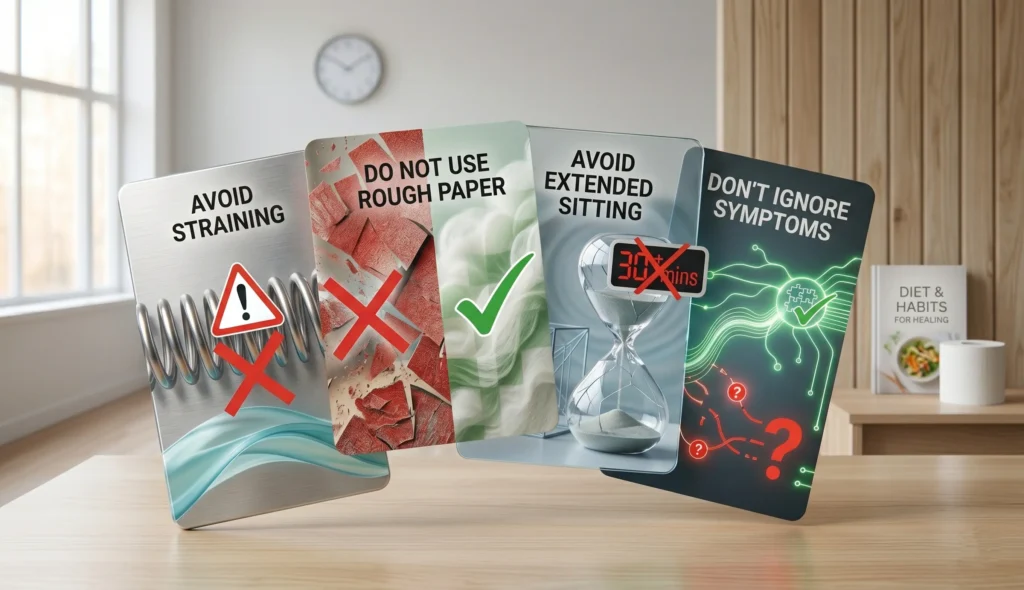
Habits to Avoid During Healing
- Avoid straining
- Avoid using dry or rough toilet paper that can further irritate the anal tissue
- Avoid sitting on the toilet for extended periods, as this increases anal pressure
- Avoid ignoring symptoms and delaying proper treatment

Advanced Treatment and Surgery
Our doctors discuss anal fissure surgery with patients whose fissures have not healed after a full course of conservative and medical treatment. Lateral internal sphincterotomy involves a small, precise cut into the internal sphincter muscle to release built-up tension and restore healthy blood flow to the tissue. Risks and benefits are discussed before the procedure.
Follow-Up Care and Recovery Monitoring
We check your healing at every follow up visit and update your treatment plan based on how your fissure is responding. Our team tracks your pain levels, bleeding, and tissue recovery at each appointment. We stay involved in your care until your symptoms improve and healing is progressing.

Can Anal Fissures Get Infected and What Complications Can Develop?
Yes, anal fissures can lead to infection and, in some cases, if left untreated, over time. When an anal fissure does not heal properly, bacteria from the bowel can enter the open tear and trigger a localized infection in the surrounding anal tissue.
In rare or untreated cases, it can develop into an anal abscess. An anal abscess is a painful collection of pus near the anus that needs prompt medical drainage. In some cases, an untreated abscess can progress into an anal fistula. An anal fistula is an abnormal tunnel between the anal canal and the surrounding skin that almost always needs surgical treatment to close.
Chronic, untreated anal fissures can also cause:
- Permanent scarring that makes future healing significantly harder
- A sentinel skin tag is forming at the outer edge of the chronic fissure
- Persistent sphincter spasms cause ongoing pain between bowel movements
- Pain avoidance leading to delayed bowel movements that worsen constipation
At CDCH, we evaluate and treat anal fissures early to prevent these complications from developing and protect your long-term anorectal health.
Who Should Consider Chronic Disease Management?
Chronic disease management is not for everyone. You may qualify if you have one or more long‑lasting health conditions that have not been well controlled or managed over the past year or more. The ideal candidates for chronic disease management at a clinic include:

Who Should Consider Anal Fissure Treatment at CDCH?
We recommend prompt evaluation for any patient experiencing anal pain, rectal bleeding, or discomfort during bowel movements. Do not assume these symptoms will resolve without proper care.
Patients with Acute Symptoms
- Sharp anal pain during or after bowel movements
- Bright red rectal bleeding with no obvious cause
- Burning or itching around the anus that persists
- Visible crack or tear in the anal skin area
Patients with Chronic or Recurring Fissures
- Anal fissure symptoms lasting more than six to eight weeks
- Fissures that have come back after previous treatment
- Ongoing constipation or diarrhea contributing to repeat fissures
- Patients who have tried home remedies without lasting improvement

How We Diagnose and Treat Your Anal Fissure
At CDCH, we know that anal pain and rectal bleeding can be difficult to talk about, and we make sure every patient feels safe, heard, and fully supported from their very first visit.
Step 1: Initial Consultation and Symptom Review
At first, our team starts by asking you about your pain, bleeding, bowel habits, and how long your symptoms have been present. We also ask about your diet, fluid intake, and daily routine. This conversation helps us understand your full situation before we recommend anything.
Step 2: Gentle Physical Examination
We perform a careful and sensitive examination to confirm the anal fissure and check its location and severity. Our team takes a respectful and unhurried approach throughout this step. We understand this examination can feel uncomfortable, and we take every measure to keep you at ease.
Step 3: Targeted Treatment Plan
Our doctor recommends a treatment plan based directly on what we find during your examination and symptom review. Acute fissures may only need dietary adjustments, and treatment is personalized based on your condition. Chronic fissures may need prescription medications, Botox therapy, or a surgical discussion, depending on how long the fissure has been present and how severe it is.
Step 4: Digestive Health Support
We look at what is happening in your digestive system that may be causing or worsening your anal fissure. Chronic constipation, irregular bowel movements, and diarrhea all put repeated stress on the anal tissue. Treating these issues directly gives your fissure a much better chance of healing.
Step 5: Progress Check and Treatment Update
Our doctors meet with you at regular intervals to see how well your fissure is healing and how your symptoms are changing over time. If your pain is not reducing or your bleeding continues, we adjust your treatment plan or recommend the next stage of treatment without delay. We never leave your anal fissure surgery recovery on hold if something is not working as expected.
Step 6: Long-Term Prevention Guidance
Once your fissure heals, our team gives you clear and practical advice. We cover diet, hydration, bowel habits, exercise, and any ongoing digestive health needs specific to your situation.
Why Patients Trust CDCH for Anal Fissure Treatment in Daly City
Anal fissures need more than a quick prescription and a follow-up reminder. They need a team that understands the digestive conditions driving them and treats the full picture of their health. At CDCH, we do exactly that.

We diagnose anal fissures accurately through careful and respectful physical examination
We offer conservative care, Botox therapy, and surgical options based on your severity
We use evidence-based medical treatments when appropriate
We treat constipation, diarrhea, and bowel conditions, driving your fissure directly
We provide targeted dietary fiber and hydration guidance to support healing
We monitor your recovery closely and adjust your plan at every follow-up visit
We offer same-week appointments for patients who need prompt pain relief
We accept Medicare, Cigna, Fidelis Care, Beacon, and Carelon
Meet Our Team
Our digestive health specialists at CDCH bring real clinical experience and genuine patient care to every anal fissure appointment. Our team understands how painful and disruptive anal fissures can be in your daily life. We create a respectful, comfortable, and judgment-free environment for every patient who walks through our doors.

Board Certified
All providers meet the highest standards of care
Same-Week Appointments
Quick access to expert care when you need it
Local to Bay Area
Serving Daly City, San Francisco & surrounding areas
Get Expert Anal Fissure Treatment Near Daly City & San Francisco
Are you searching for anal fissure treatment near me in the Bay Area? Our CDCH clinic sits conveniently in Daly City, just minutes from San Francisco, South San Francisco, and Pacifica. We serve patients across the Bay Area with same-week appointments, and a patient-first approach that makes seeking treatment for a sensitive condition feel safe.
FAQs About Anal Fissure Treatment in Daly City, San Francisco

The most effective anal fissure treatments depend on whether your fissure is acute or chronic. Acute fissures often respond well to increased fiber intake, hydration and stool softeners only if recommended by a healthcare provider. Chronic fissures may need prescription non-surgical, minimally invasive, and surgical options, depending on severity.
The treatment of fissures in the anus at home for mild cases and after medical guidance includes increasing dietary fiber, drinking plenty of fluids, avoiding straining during bowel movements, and taking warm sitz baths several times a day. Sitz baths help relax the anal sphincter muscle and reduce painful spasms. These home measures work best for acute fissures caught early before they become chronic.
Include reduced pain during bowel movements, less bleeding, and decreased irritation or itching. Stools pass more comfortably, and the area feels less tight or inflamed. If symptoms don’t improve within a few weeks, medical evaluation is recommended.
Anal fissure healing time varies by individual, treated with proper conservative care. Chronic fissures last varies and typically require medical treatment. Fissures treated with Botox or surgery generally show significant improvement within two weeks of the procedure itself.
No. Many cases heal without surgery when treated early and properly. Most patients respond well to dietary changes, topical medications, and Botox therapy. Anal fissure surgery through lateral internal sphincterotomy is only recommended when conservative treatments have not produced adequate healing after a full course of medical management.
Recurring fissures are most often linked to ongoing constipation, low dietary fiber intake, chronic diarrhea, or untreated inflammatory bowel conditions.
Surgery is recommended when symptoms do not improve after several weeks of conservative medical treatment, including topical medications and Botox therapy. Lateral internal sphincterotomy is done when clinically appropriate. It cuts a small section of the internal sphincter muscle to release tension and allow blood flow and healing to restore properly.
Yes. We accept Medicare, Cigna, Fidelis Care, Beacon, and Carelon. Our team verifies your benefits before your appointment and walks you through your coverage and payment options clearly so you face no surprises on the day of your visit to our Daly City clinic.
Anal Pain and Rectal Bleeding Deserve Proper Care
- Same-week appointments available
- Board-Certified Specialists
- Personalized Treatment Plans