Type 1 Diabetes Management in Daly City, San Francisco
At CDCH, we provide structured and supportive Type 1 Diabetes Management in Daly City and San Francisco. Our specialists focus on blood sugar control, complication prevention, and long-term health for every patient living with this condition. We build personal care plans around your insulin needs, lifestyle, and daily health goals.
What Is Type 1 Diabetes and How Does It Affect Your Body
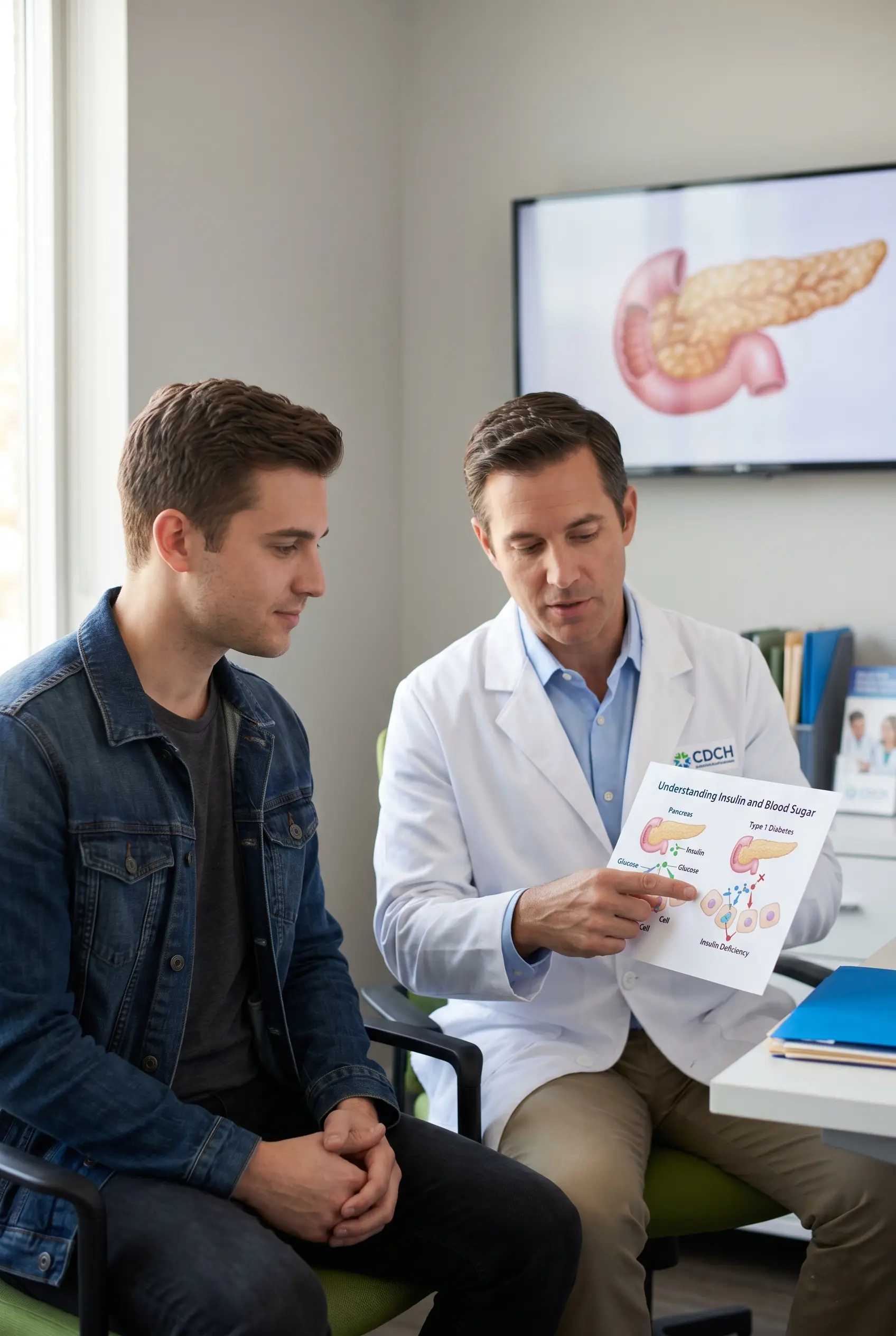
Type 1 diabetes is a chronic autoimmune condition where the body’s immune system destroys the beta cells in the pancreas that produce insulin. Without these cells in the pancreas, insulin production is typically absent or near absent.
Insulin is a hormone that moves glucose from your blood into your body’s cells, where it is used as energy.
When insulin is absent, glucose builds up in the bloodstream instead of reaching the cells. Over time, high blood sugar damages blood vessels, nerves, the kidneys, eyes, and heart.
Type 1 diabetes requires lifelong insulin therapy and consistent daily management to keep blood glucose within a safe and healthy range.
Type 1 vs Type 2 Diabetes
Understanding the difference helps you seek the right care for your specific diagnosis. In diabetes type 1 vs type 2, the fundamental difference lies in how insulin production is affected.
Type 1 Diabetes
Type 1 diabetes develops when the immune system destroys the beta cells that produce insulin. The pancreas stops making insulin entirely. It makes external insulin therapy essential for every type 1 diabetes patient to survive.
Type 2 Diabetes
Type 2 diabetes develops when the body becomes resistant to insulin or the pancreas does not produce enough of it. It is associated with multiple factors, including genetics, lifestyle and physical inactivity. It can often be managed in early stages with lifestyle changes and medications without requiring insulin immediately.
Both conditions carry serious long-term health risks when poorly managed. Type 1, however, requires immediate and continuous insulin management from the point of diagnosis.
General Signs and Symptoms of Type 1 Diabetes
Common type 1 diabetes symptoms include:
Type 1 diabetes symptoms often appear suddenly and can worsen quickly without prompt recognition and treatment. Early identification leads to faster diagnosis and prevents serious complications from developing.
Excessive thirst and a constant need to drink fluids
Frequent and increased urination throughout the day and night
Unexplained and rapid weight loss despite eating normally
Persistent fatigue and low energy affect daily activity
Blurred vision caused by fluid changes in the eye lenses
Increased hunger even after eating regular meals
Early Type 1 Diabetes Symptoms in Children and Toddlers
Type 1 diabetes can develop at any age, including in very young children. Symptoms in kids and toddlers often look different from adult symptoms and are easy to mistake for other common childhood illnesses. Recognizing them early is critical for preventing serious and life threatening complications.

Early Signs of Type 1 Diabetes in Kids
- Bedwetting in a child who was previously toilet-trained
- Sudden and unexplained weight loss over a short period
- Increased thirst and asking for drinks more frequently than usual
- Frequent trips to the bathroom during the day and night
- Unusual tiredness or low energy that affects play and daily activity
- Fruity smelling breath, which may signal dangerous ketone buildup
- Blurred vision or complaints about difficulty seeing clearly
- Sudden mood changes, irritability, or behavioral differences

Type 1 Diabetes Symptoms in Toddlers
Toddlers cannot always describe how they feel. Parents should watch for these physical signs:
- Unusually heavy or wet diapers more frequently than normal
- Constant crying or fussiness that is difficult to explain or settle
- Rapid or heavy breathing without a clear cause is an emergency and requires immediate medical care.
- Visible signs of dehydration, including dry lips and sunken eyes
- Extreme sleepiness or difficulty staying awake during the day
- Vomiting without an obvious cause, like a stomach virus
These symptoms in toddlers can develop very quickly and escalate into a medical emergency within hours.
Connected Health Contexts & Diagnostics

Screening for Type 1 Diabetes
At CDCH, we recommend screening for patients with symptoms or risk factors for type 1 diabetes. A screening test for type 1 diabetes may include:
- Random plasma glucose test to measure blood sugar at any point in the day
- Fasting plasma glucose test to check blood sugar after an overnight fast
- A1C test to measure average blood glucose levels over the past two to three months
- Frequent Autoantibody testing to confirm the autoimmune nature of the diagnosistrips to the bathroom during the day and night
- C-peptide test to measure how much insulin the pancreas is still producing
- Urinalysis to check for ketones that indicate the body is breaking down fat for energy
While some patients explore at home type 1 diabetes screening options, clinic based testing provides far more accurate and complete diagnostic information. Your care team reviews every result in the context of your full health picture before confirming any diagnosis.

Celiac Disease and Type 1 Diabetes
Celiac disease and type 1 diabetes are two closely connected autoimmune conditions.
Around 6 percent of patients with type 1 diabetes also have celiac disease. Most of these patients do not show obvious celiac symptoms. Their symptoms are often mild or go unnoticed because they closely resemble common symptoms of type 1 diabetes itself. This overlap makes celiac disease easy to miss without proper screening.
At CDCH, we follow clinical guidelines to screen patients with type 1 diabetes for celiac disease. Early detection allows us to manage both conditions together and reduce the health burden that either condition places on your long-term wellbeing.

Type 1 Diabetes During Pregnancy
Pregnancy with type 1 diabetes requires close supervision and tighter blood sugar control. Hormonal changes naturally increase insulin resistance, making blood sugar harder to manage and altering insulin needs across all trimesters.
Poorly controlled blood sugar raises serious risks for both mother (preeclampsia, diabetic retinopathy, severe hypoglycemia) and baby (congenital malformations, premature birth, macrosomia, neonatal hypoglycemia).
Early preconception care and optimized blood sugar control make a meaningful difference in the safety and outcome of your pregnancy.
Our Services for Type 1 Diabetes Management in Daly City, San Francisco
We provide a full range of type 1 diabetes management services at CDCH. We connect every service to a personal care plan built around your insulin needs, lifestyle, and long-term health goals.

Comprehensive Diabetes Evaluation
Our specialists review your blood glucose levels, A1C results, autoantibody status, and full medical history in detail. We use these findings to confirm your diagnosis, assess your current metabolic health, and identify any early complications that need immediate attention.

Personalized Insulin Therapy Planning
We build a tailored insulin therapy plan based on your daily routine, glucose patterns, activity level, and meal habits. All plans are prescribed and adjusted by medical professionals.

Continuous Glucose Monitoring Support
Your care team guides you on using continuous glucose monitoring technology and interpreting your blood sugar readings accurately. Understanding your glucose patterns helps us make smarter decisions about your insulin management.

Nutrition and Meal Planning Guidance
We provide practical dietary guidance designed for type 1 diabetes management. We help you understand carbohydrate counting, meal timing strategies, and how different foods affect your blood sugar so you can eat with confidence every day.

Exercise and Physical Activity Management
Our specialists help you build a safe and regular exercise routine into your daily life. Exercise improves insulin sensitivity and overall metabolic health but requires careful glucose monitoring before, during, and after activity. Exercise adjustments should be done under medical guidance.

Diabetic Ketoacidosis Prevention and Education
We educate every patient on recognizing the early warning signs of diabetic ketoacidosis, which is a serious and potentially life-threatening complication of type 1 diabetes. We teach you how to check for ketones and when to seek emergency care promptly. Diabetic ketoacidosis (DKA) is a medical emergency. If you suspect symptoms, seek immediate emergency care.

Complication Screening and Prevention
We screen regularly for diabetes related complications, including diabetic neuropathy, retinopathy, nephropathy, and cardiovascular disease.

Ongoing Monitoring and Insulin Adjustment
Our specialists schedule regular follow-up visits to review your A1C levels, glucose patterns, and overall health. Our clinicians adjust insulin doses based on your results at every stage of care to keep your blood sugar within a safe range consistently.
Who Should Seek Type 1 Diabetes Care at CDCH?
We provide type 1 diabetes care for patients of all ages. We recommend prompt evaluation for anyone showing symptoms or carrying risk factors for this condition.

Newly Diagnosed Patients
- Recently diagnosed with type 1 diabetes, needing a structured care plan
- Patients who have received a diagnosis but have not yet started insulin therapy
- Families of newly diagnosed children need education and support
- Patients transitioning from pediatric to adult diabetes care
Patients with Existing Type 1 Diabetes
- Struggling to maintain stable blood sugar levels with current treatment
- Experiencing frequent hypoglycemia or hyperglycemia episodes
- Needing insulin dose adjustments based on changing lifestyle or health needs
- Patients whose A1C levels are consistently above their target range
High Risk and Screening Patients
- First degree relatives of patients with type 1 diabetes
- Patients with symptoms suggestive of undiagnosed type 1 diabetes
- Patients with other autoimmune conditions, like celiac disease or thyroid disorders
- Anyone whose physician has recommended type 1 diabetes screening and evaluation

Your Type 1 Diabetes Journey at CDCH Step by Step
We want every patient and family to feel fully informed, prepared, and supported from the very first visit at our Daly City clinic.
Step 1: Initial Diabetes Evaluation
Our specialists review your full medical history, current symptoms, glucose readings, and any previous diabetes test results. We discuss your daily routine, eating habits, activity level, and insulin use to get a complete picture of where your diabetes management stands right now.
Step 2: Diagnostic and Lab Testing
We order a full panel of blood tests, including fasting glucose, A1C, autoantibody testing, C-peptide levels, thyroid function, kidney function, and lipid panel. These results confirm your diagnosis and reveal any related conditions or early complications needing attention.
Step 3: Personalized Insulin and Treatment Plan
We build an insulin therapy plan specifically around your glucose patterns, meal habits, activity level, and daily schedule. We explain your insulin types, dosing strategies, and patients are guided by clinicians on how to respond to abnormal readings.
Step 4: Glucose Monitoring and Technology Support
We guide you on choosing and using the right glucose monitoring technology for your needs. We help you read your data accurately and make informed insulin adjustments based on your real-time glucose patterns every day.
Step 5: Education and Self-Management Training
Our specialists dedicate time to teaching you how to manage type 1 diabetes confidently at home. We cover carbohydrate counting, hypoglycemia and hyperglycemia recognition and treatment, ketone checking and sick day management.
Step 6: Complication Screening and Ongoing Monitoring.
We screen regularly for diabetes-related complications at every stage of your care. Your care team checks your eyes, kidneys, nerves, and cardiovascular health on a scheduled basis and adjusts your treatment plan based on your results at every follow-up visit.
Why Patients Choose CDCH for Type 1 Diabetes Care in Daly City, San Francisco
At CDCH, we treat type 1 diabetes as part of your full cardiometabolic health picture. We connect your blood sugar management to your heart health, kidney function, weight, and metabolic wellness in one coordinated and personal care plan.

We confirm diagnosis through comprehensive blood glucose and autoantibody testing
We build personalized insulin therapy plans around your lifestyle and glucose patterns
We offer continuous glucose monitoring guidance and technology support at every visit
We screen for and manage related autoimmune conditions like celiac disease and thyroid disorders
We monitor for diabetic complications, including neuropathy, retinopathy, and nephropathy
We provide dedicated education for patients and families on daily diabetes self-management
We offer same-week appointments for patients who need prompt evaluation and care
Meet Our Experts
Our diabetes specialists at CDCH bring deep clinical experience and genuine patient support to every type 1 diabetes appointment. Our team understands how demanding daily diabetes management can be for patients and families at every age and stage of life.

Board Certified
All providers meet the highest standards of care
Same-Week Appointments
Quick access to expert care when you need it
Local to Bay Area
Serving Daly City, San Francisco & surrounding areas
Trusted Type 1 Diabetes Management in Daly City, San Francisco
Are you looking for expert type 1 diabetes care near you in the Bay Area? Our CDCH clinic sits conveniently in Daly City, just minutes from San Francisco, South San Francisco, and Pacifica. We offer same-week appointments, flexible follow-up options, and a patient-first approach that makes managing type 1 diabetes feel supported and achievable every single day.
Frequently Asked Questions About Type 1 Diabetes Treatment in Daly City, San Francisco

Yes, the body's immune system mistakenly identifies the insulin-producing beta cells in the pancreas as a threat. It attacks and destroys them the same way it would fight a virus or bacteria. Once the beta cells are destroyed, the pancreas can no longer produce enough insulin to regulate blood sugar safely on its own.
Neither is “worse.” Type 1 requires lifelong insulin and careful daily management, while Type 2 often develops gradually but can still cause serious complications if not controlled. Both need proper medical care and monitoring.
Diabetic ketoacidosis, or DKA, is a serious and life-threatening complication of type 1 diabetes. It occurs when the body does not have enough insulin and starts breaking down fat for energy. This process produces ketones that build up to dangerous levels in the blood. DKA needs emergency medical treatment right away.
Consistently high blood sugar damages small blood vessels throughout the body over time. In the kidneys, this damage leads to diabetic nephropathy, which affects kidney function. In the eyes, it causes diabetic retinopathy, which can affect vision. Our team screens for both conditions regularly at every stage of your diabetes care at CDCH.
Yes. People with type 1 diabetes have a higher risk of developing cardiovascular disease over time. High blood sugar damages blood vessels and nerves that control the heart. At CDCH, we monitor your blood pressure, cholesterol, and cardiovascular health as part of your complete diabetes care plan at every visit.
Yes. Children with type 1 diabetes can lead active, healthy, and fulfilling lives with the right medical support and education. Managing blood sugar consistently, staying active, eating well, and attending regular follow-up visits all contribute to a healthy and normal childhood.
Hypoglycemia means blood sugar is too low. It causes shakiness, sweating, confusion, and dizziness and requires prompt action as advised by your care team. Hyperglycemia means blood sugar is too high. It causes excessive thirst, frequent urination, and fatigue and may require medical evaluation and insulin adjustment.
Physical activity affects blood sugar differently depending on the type and intensity of exercise. Aerobic exercise typically lowers blood sugar, while intense activity can sometimes raise it temporarily.
Yes. We accept Medicare, Cigna, Fidelis Care, Beacon, and Carelon. Our team checks your benefits before your appointment and explains your coverage and payment options clearly. You face no surprises on the day of your visit to our Daly City clinic.