
Gastroparesis Treatment in Daly City, CA
Gastroparesis is a functional disorder where your stomach muscles and nerves don’t work properly. This prevents your stomach from emptying its contents at a normal rate.
Also called delayed gastric emptying, this condition isn’t caused by a physical blockage. Instead, the stomach’s movement (motility) becomes significantly slowed or stops working altogether. Food sits in your stomach for hours longer than it should. This causes nausea, vomiting, bloating, and serious nutritional problems.
At Center for Diabetes and Cardiometabolic Health (CDCH) in Daly City, our gastroenterology specialists provide comprehensive gastroparesis treatment. From dietary management to advanced therapies.
Stages of Gastroparesis
Gastroparesis ranges from mild to severe. Understanding your stage helps guide treatment.

Mild Gastroparesis
Slow stomach emptying with symptoms that don’t significantly impact daily life. You may feel full quickly. Experience occasional nausea. But you can usually maintain adequate nutrition with dietary changes.
Moderate Gastroparesis
Further delayed emptying with noticeable symptoms. Eating patterns become affected. You may struggle to finish meals. Weight maintenance becomes challenging. Your doctor may recommend medications alongside dietary modifications.
Severe Gastroparesis
Significantly impaired emptying leading to serious complications. Dehydration, malnutrition, and unintended weight loss are common. You may require hospitalization, feeding tubes, or surgical interventions. Blood sugar control becomes extremely difficult if you have diabetes.
Common Causes of Gastroparesis
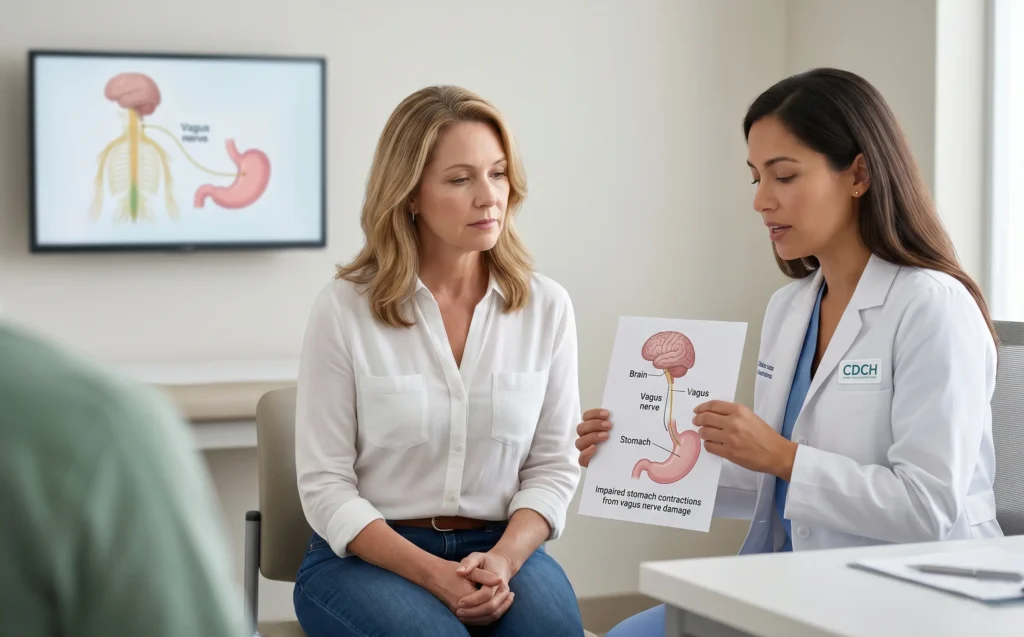
Vagus Nerve Damage
The main cause of gastroparesis is damage to the vagus nerve. This nerve controls stomach muscle contractions. When damaged, the stomach can't empty properly.

Diabetes-Related Gastroparesis
The most common single identifiable cause. High Blood Sugar over time damages nerves and blood vessels. This includes the vagus nerve controlling stomach function. Diabetes gastroparesis requires excellent blood sugar control. Even small improvements help.
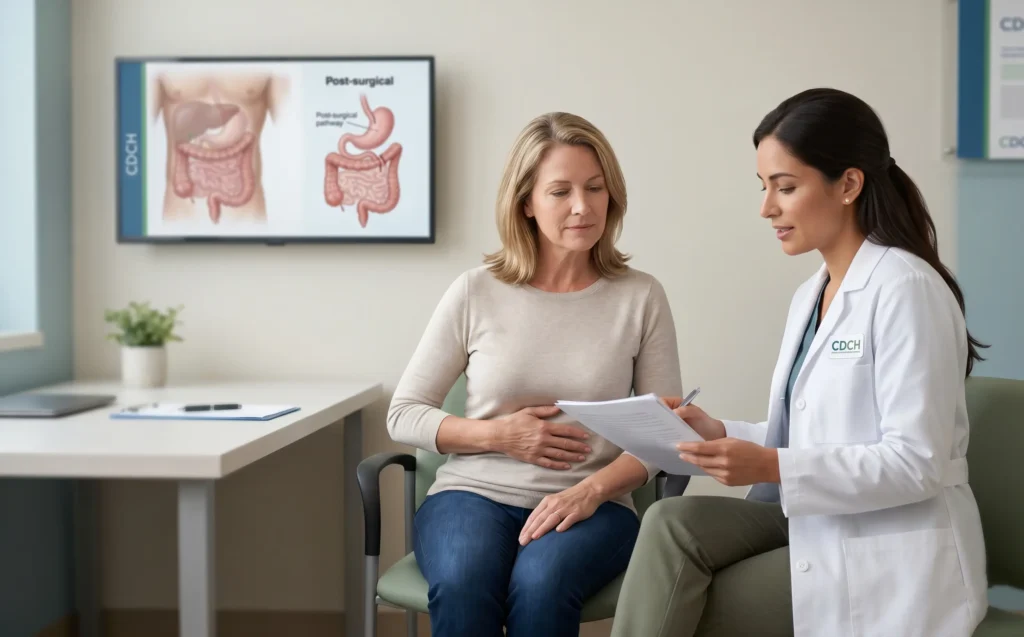
Post-Surgical Gastroparesis
Results from injury to the vagus nerve during abdominal surgery. Gastrectomy (stomach surgery), cholecystectomy (gallbladder removal), and other procedures can cause this. Post-surgical gastroparesis may improve over time. Or it may become permanent.

Idiopathic Gastroparesis
The largest group—where the cause remains unknown. About one-third of cases fall into this category. Despite extensive testing, no clear trigger is found. Treatment focuses on managing symptoms effectively.
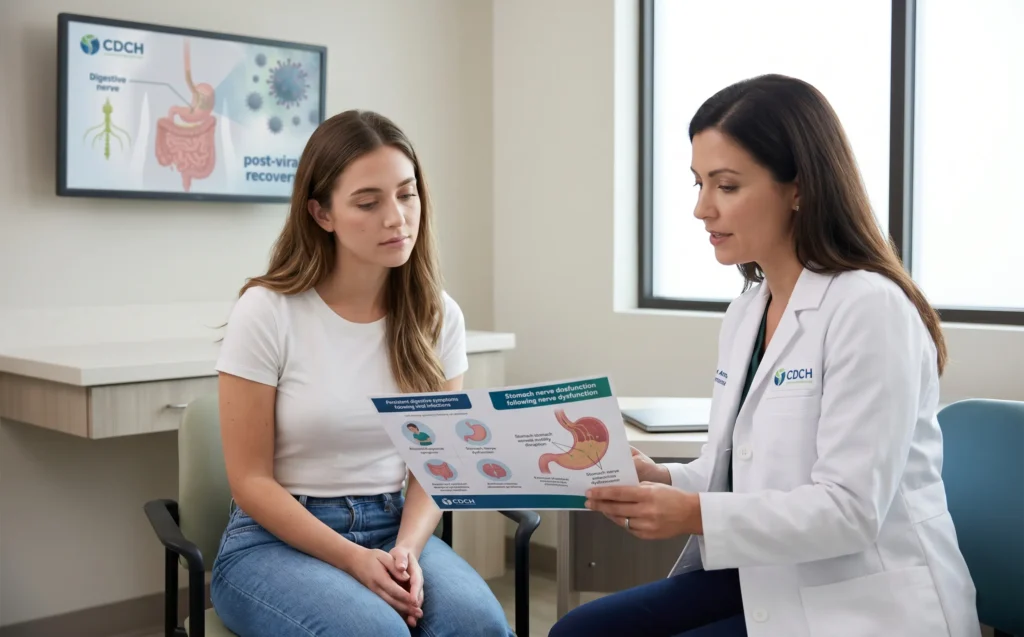
Viral Infections
Norovirus, rotavirus, or post-COVID complications can trigger gastroparesis. The infection damages stomach nerves. Symptoms may persist long after the virus clears.

Medications That Slow Stomach Emptying
Opioids (narcotic pain medications) significantly slow digestion. Nicotine and marijuana affect stomach motility. Certain blood pressure medications and Weight Loss Drugs like semaglutide (Ozempic, Wegovy) can cause delayed emptying.
Common Gastroparesis Symptoms
Early Satiety
Feeling full shortly after starting a meal is a hallmark symptom. You may eat only a few bites before feeling uncomfortably full. Or feel full for hours after eating a small amount.
Nausea and Vomiting
Persistent nausea is extremely common. Vomiting often contains undigested food eaten several hours earlier. Some patients vomit daily. This leads to dehydration and nutritional deficiencies.
Abdominal Bloating and Pain
Visible swelling above the belly button. Upper abdominal pain or discomfort. Often described as fullness or pressure. Bloating worsens after meals.
Secondary Symptoms
- Acid reflux and heartburn from food sitting in the stomach.
- Complete loss of appetite.
- Significant unintended weight loss.
- Fluctuating blood sugar levels (if you have diabetes).
- Extreme fatigue from poor nutrition.
Diagnosing Gastroparesis
Initial Evaluation
Your doctor reviews your medical history and symptoms. Physical examination checks for abdominal distension and tenderness. Blood tests assess electrolytes, nutrition levels, and blood sugar control.
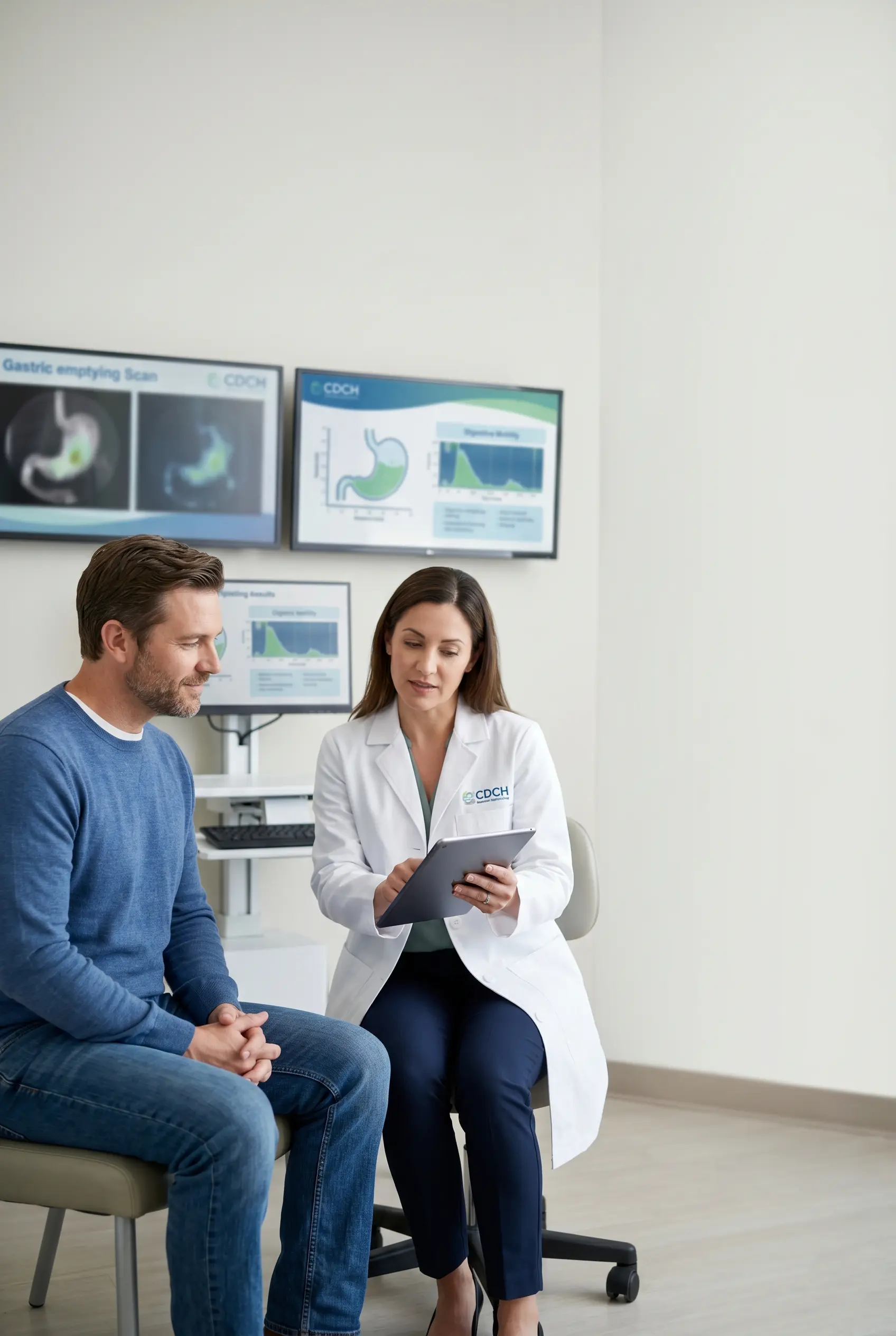
Gastric Emptying Scintigraphy
The most reliable test for gastroparesis diagnosis. You eat a meal containing a small amount of radioactive material. A scanner tracks how fast food leaves your stomach over four hours. Normal emptying is at least 90% by four hours. Gastroparesis shows significantly slower rates.
Upper GI Endoscopy
A camera inserted through your mouth examines your stomach. Rules out mechanical blockages, ulcers, or tumors. Not diagnostic for gastroparesis itself. But essential to exclude other causes.
SmartPill Motility Capsule
A pill-sized sensor you swallow. Records pressure, pH, and temperature as it moves through your digestive tract. Provides comprehensive Motility Data for Stomach, small intestine, and colon.
Breath Tests
Measure carbon dioxide expelled after eating a special meal. Tracks stomach emptying speed without radiation. Less commonly used but non-invasive.
Advanced Imaging
Ultrasound, CT scans, or MRI may be ordered. These rule out gallbladder disease, pancreatic problems, or structural abnormalities.
How Do You Treat Gastroparesis?
Gastroparesis treatments focus on managing symptoms and maintaining nutrition. Treatment for gastroparesis is individualized based on severity and underlying cause.
Dietary Modifications (First-Line Treatment)
How to treat gastroparesis starts with diet changes. Eat six small meals daily instead of three large ones. Smaller portions reduce stomach workload. Focus on low-fat foods. Fat significantly slows emptying. Choose low-fiber options. Fiber is hard to digest when the stomach empties slowly.

- Better Choices
Cooked soft vegetables, bananas, melon, canned fruits.

- Avoid
Raw broccoli/carrots, citrus fruits, high-fiber produce.
When Conservative Treatment Isn't Enough
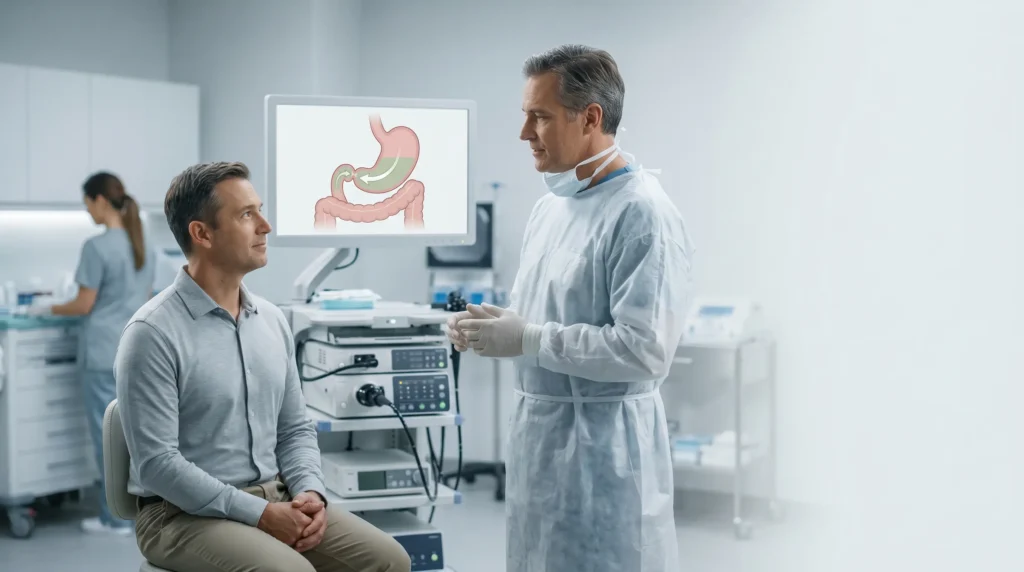
Pyloroplasty (G-POE
A surgical procedure that widens the pylorus (opening between stomach and small intestine). When the pylorus doesn't relax properly, food can't exit. Gastroparesis surgery like pyloroplasty improves emptying in carefully selected patients. Can be performed endoscopically or with traditional surgery.
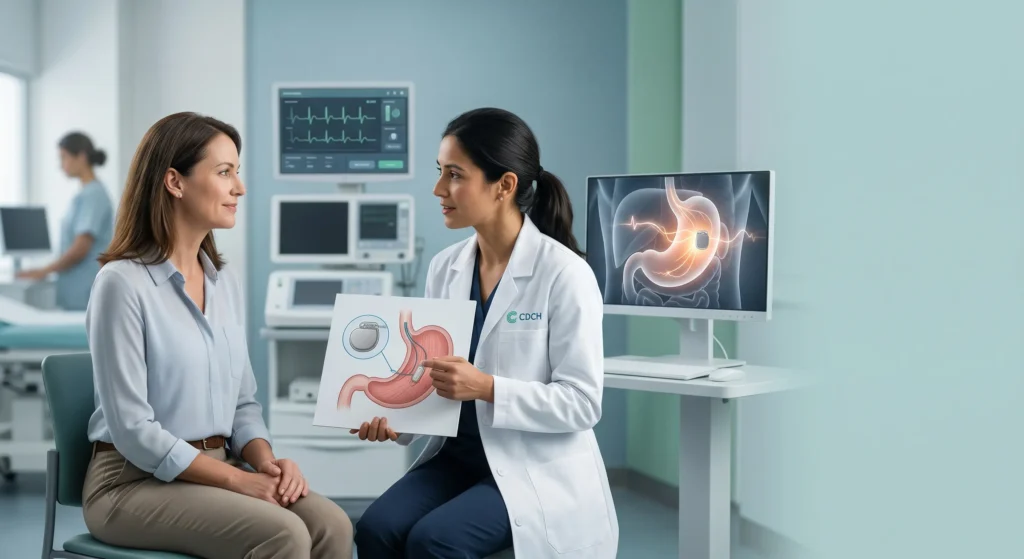
Gastric Neurostimulator
A battery-operated device implanted in the abdomen. Also called Enterra therapy or "Stomach Pacemaker". It sends electrical pulses to stomach muscles to significantly reduce nausea and vomiting. It doesn't cure gastroparesis, but allows many patients to maintain oral nutrition and avoid feeding tubes.
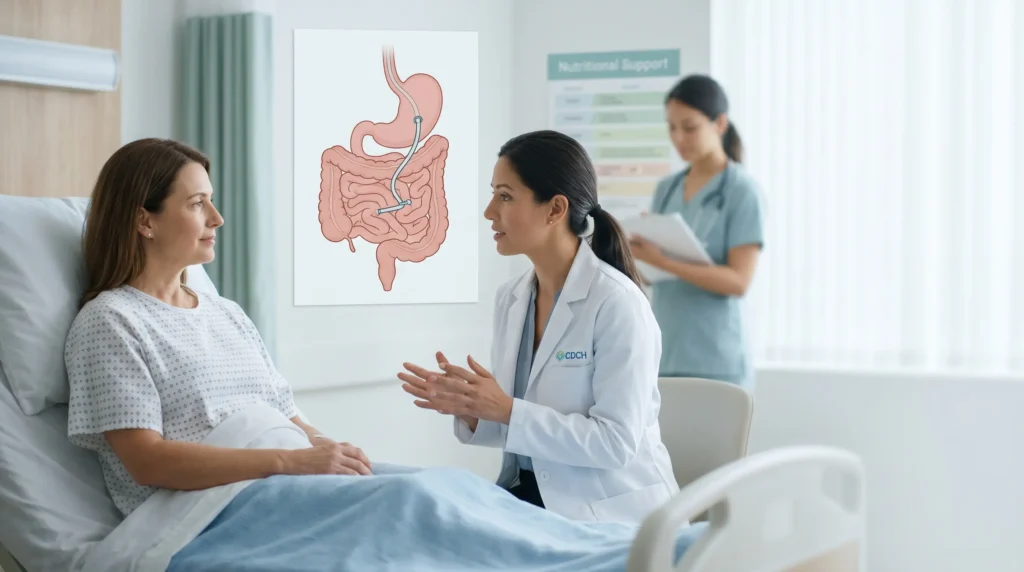
Feeding Tubes
For severe gastroparesis unresponsive to other treatments. Jejunostomy (J-tube) is placed directly into the small intestine, bypassing the stomach entirely. Allows adequate nutrition when the stomach cannot empty. May be temporary or permanent.
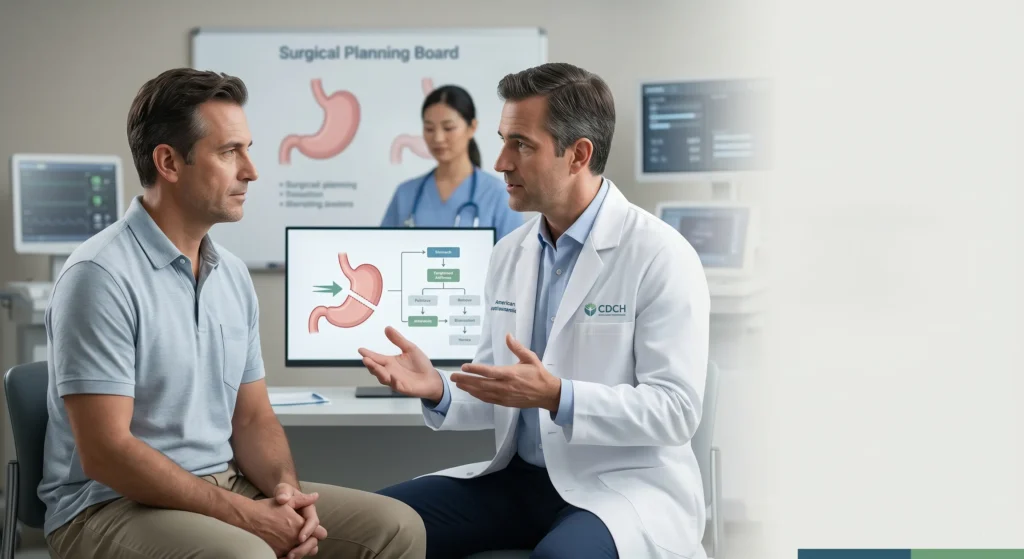
Surgical Treatments
Reserved for severe, refractory cases. Options include partial or total gastrectomy (stomach removal). These are last-resort procedures with significant risks, considered only when all other treatments have failed.
Is There a Cure for Gastroparesis?
The Honest Answer
Can gastroparesis be cured? For most patients, no—there's currently no cure. Is there a cure for gastroparesis being researched? Yes, but nothing proven yet. Gastroparesis cures don't exist in the traditional sense. But the condition can often be managed effectively.
Is Gastroparesis Reversible?
It depends on the cause. Post-viral gastroparesis sometimes improves over 12-18 months. Medication-induced cases may reverse when the medication is stopped. But diabetes-related and idiopathic gastroparesis are typically chronic.
How to Heal Gastroparesis
While you can't fully "heal" chronic gastroparesis, you can improve significantly. How to fix gastroparesis focuses on symptom management and nutritional support. Excellent blood sugar control helps diabetes-related cases. Dietary modifications make a tremendous difference.
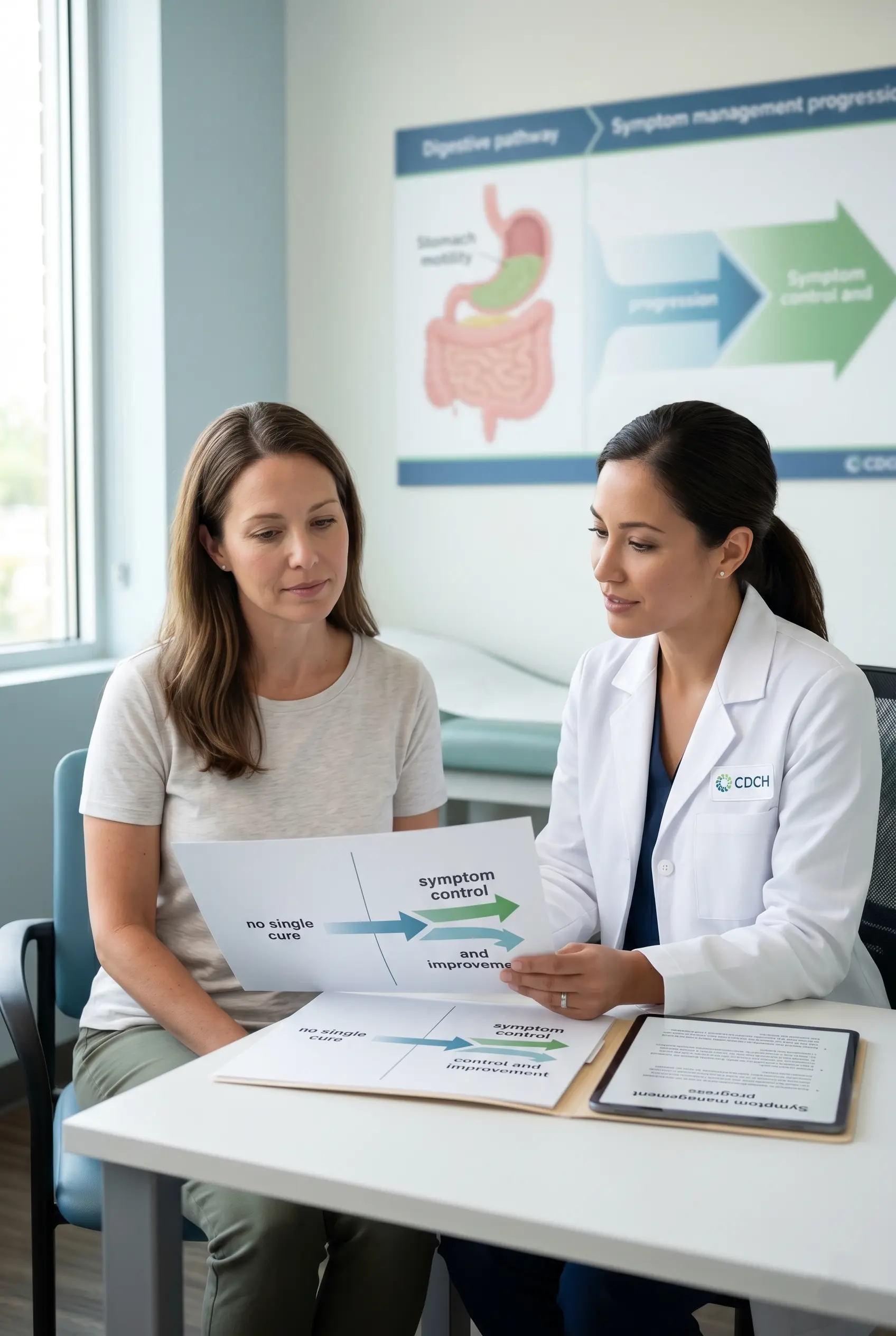
"What helps with gastroparesis long-term? Working closely with a gastroparesis specialist."
Finding Gastroparesis Relief
Complementary Approaches
Alternative medicine for gastroparesis includes several options. These should complement, not replace, medical treatment.
- Acupuncture: Some patients report improved nausea and stomach function.
- Ginger: A natural gastroparesis remedy for mild nausea. Available as tea, capsules, or fresh root.
- Peppermint: May help with bloating and discomfort. Use enteric-coated capsules.
- Cannabis/CBD: Some patients report symptom relief. But marijuana can actually worsen gastroparesis in some people.
Holistic Treatment for Gastroparesis
Holistic treatment for gastroparesis considers the whole person. Stress management through meditation or counseling helps. Gentle exercise like walking after meals promotes digestion.
Natural Tip
Stay upright after eating (don’t lie down for 2-3 hours).
Comfort
Warm compresses on the abdomen for comfort.
Potential Complications
Bezoars (Food Blockages)
Hardened masses of undigested food can form in the stomach. Bezoars cause severe pain and vomiting. They can create life-threatening obstructions.
Blood Sugar Control Issues
Unpredictable stomach emptying makes diabetes management extremely difficult. Food may sit for hours, then suddenly dump into the intestines, causing dangerous blood sugar swings.
Malnutrition and Dehydration
Severe gastroparesis prevents adequate nutrition intake. Weight loss, vitamin deficiencies, and muscle wasting occur.
Support and Resources
You're Not Alone
Living with gastroparesis can be isolating. Gastroparesis support groups connect you with others who understand. Online communities provide practical tips, emotional support, and recipe ideas.
Support and Resources
Treatment of Gastroparesis in Parkinson's Disease
Parkinson's patients face unique challenges. Gastroparesis treatment must coordinate with Parkinson's medications. Timing medication doses around meals becomes critical.
Meet Our Gastroparesis Specialists


Board Certified
All providers meet the highest standards of care
Same-Week Appointments
Quick access to expert care when you need it
Local to Bay Area
Serving Daly City, San Francisco & surrounding areas
Expert Gastroparesis Care in Daly City
Gastroparesis is a complex condition requiring specialized expertise. A gastroparesis specialist understands the nuances of treatment.
Looking for “gastroparesis specialist near me” or “gastroparesis doctors near me”? Center for Diabetes and Cardiometabolic Health provides comprehensive care.
Take the Next Step
Don’t let delayed gastric emptying control your life. Get expert gastroparesis treatment in Daly City.