Gastrostomy in Daly City, San Francisco
The Center for Diabetes and Cardiometabolic Health (CDCH) offers safe, precise gastrostomy procedures in Daly City, San Francisco. We place feeding tubes for patients who cannot eat enough by mouth, using a minimally invasive approach that limits downtime and discomfort. Our board-certified specialists guide each patient from evaluation through placement and home care, so nutrition support feels manageable instead of overwhelming.
What Is a Gastrostomy Tube?
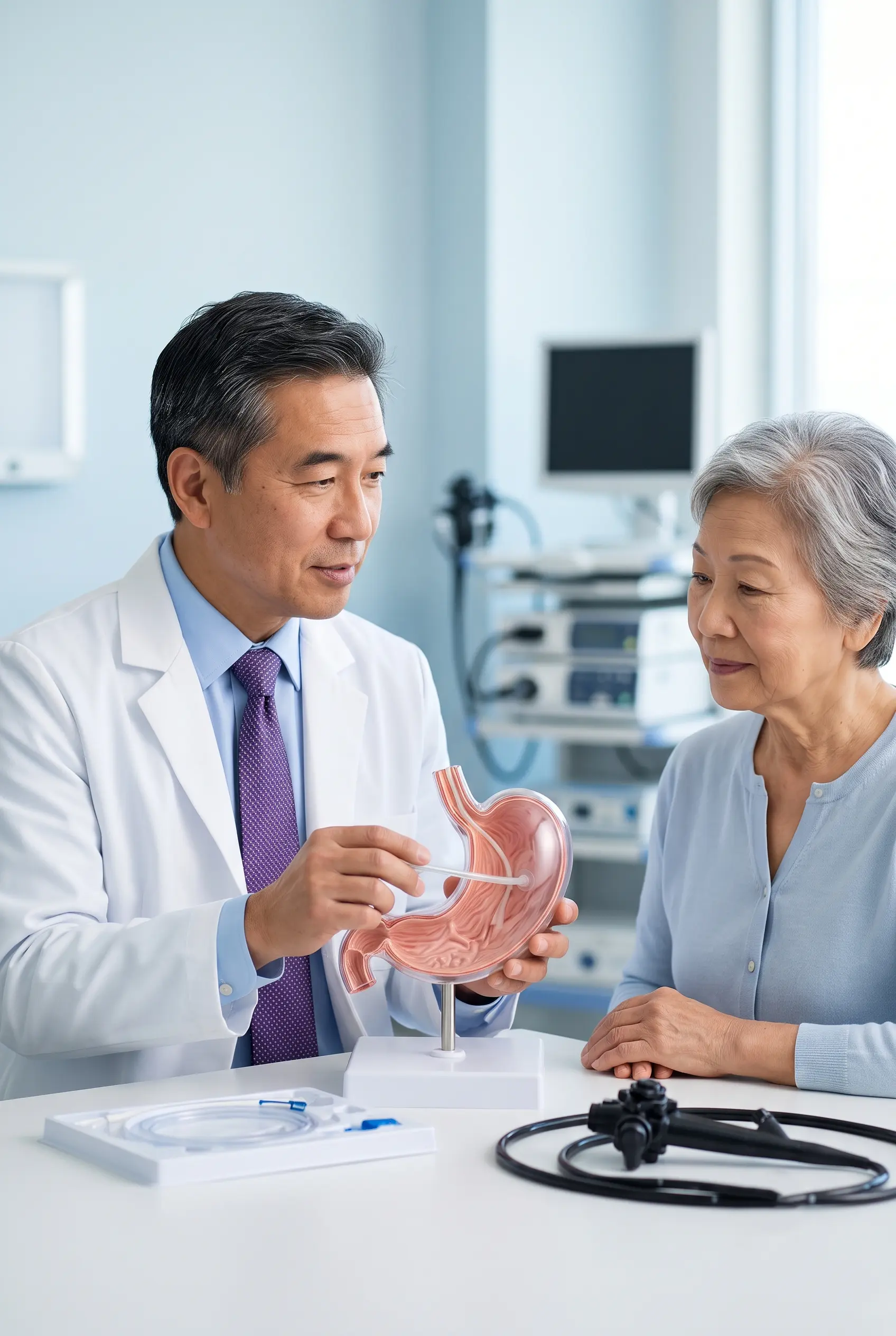
A gastrostomy is a procedure that creates a small opening through the belly wall into the stomach. Our specialists place a soft, flexible tube through this opening. Patients then receive food, liquids, and medication directly into the stomach.
Gastrostomy tube is a feeding device for patients who cannot swallow safely or cannot eat enough by mouth.
The most common method we use is a percutaneous endoscopic gastrostomy, known as a PEG tube. This method uses an endoscope instead of open surgery.
Why Early Feeding Tube Placement Protects Long-Term Health
Patients who struggle with swallowing often lose weight slowly. No one notices at first. Families may assume a loved one is just eating less due to age or illness. Caregivers sometimes wait too long to ask for a feeding evaluation. By the time dehydration or pneumonia sets in, nutrition has already suffered.
A timely gastrostomy tube placement helps us support nutrition before serious decline begins. We check swallowing function, nutrition needs, and overall health first. Acting early protects strength and quality of life for patients with long-term feeding needs.
Conditions That May Require a Gastrostomy Tube
Our specialists place gastrostomy tubes for many medical needs, including:
- Difficulty swallowing from stroke or nerve disease
- Head and neck cancer affecting swallowing
- Severe reflux that needs stomach decompression
- Ongoing poor nutrition despite eating attempts
- Long-term use of a breathing machine
- Birth conditions that affect feeding in children
- Progressive illness like ALS or advanced dementia
- Brain injury that affects safe swallowing
- Long-term need for tube-based medication
Procedural Comparison
PEG Gastrostomy vs Stamm Gastrostomy: Which Placement Method Is Right for You
Patients often ask about the different ways a feeding tube can be placed. Both methods create a stable opening for feeding. Our team picks the right approach based on each patient’s anatomy and health history.
PEG Gastrostomy
PEG gastrostomy tube placement uses an endoscope passed through the mouth. This guides tube placement from inside the stomach and avoids a large cut.
Stamm Gastrostomy
Viral gastroenteritis, often called stomach flu, spreads easily from person to person. It usually clears up on its own in a few days and does not respond to antibiotics at all.
Who Should See a Gastrostomy Doctor in Daly City
We recommend a visit with our gastrostomy doctor for patients and families facing ongoing feeding trouble. Our Daly City clinic sees a range of patients, including:

Patients With Swallowing Difficulty
- Frequent coughing or choking while eating or drinking
- Repeated lung infections from food or liquid going down wrong
- Food or liquid that keeps getting stuck when swallowing
Patients With Nutrition Decline
- Losing weight without trying, despite eating attempts
- Dehydration from not drinking enough fluids
- Ongoing inability to meet daily calorie needs by mouth
Patients With Long-Term Medical Needs
- Tube feeding expected to last longer than four to six weeks
- Need for steady medication delivery without oral intake
- Recovery from a major illness that affects safe swallowing
Family and Caregiver Referrals
- A doctor has recommended a feeding evaluation
- A neurologist or oncologist has flagged swallowing risk
- Caregivers report ongoing struggles at mealtime
How to Prepare for Your Gastrostomy Tube Placement Procedure
Our team keeps preparation for a gastrostomy tube placement simple. Following these steps helps things go smoothly.
Before Your Appointment
- Avoid all food and drink for 6 to 8 hours before the procedure
- Arrange for someone to come with you to your appointment
- Wear loose, comfortable clothing for easy access to your belly
Medications and Medical History
- Review all current medications with our team beforehand
- Ask our team if you need to pause blood thinners before the procedure
- Share any known allergies, especially to sedatives or antibiotics
- Tell us about any past abdominal surgeries or conditions
Practical Arrangements
- Arrange for someone to drive you home after your appointment
- Plan for a short rest period at home after the procedure
- Set up a clean space for tube care supplies at home
Step-by-Step Gastrostomy Procedure at CDCH
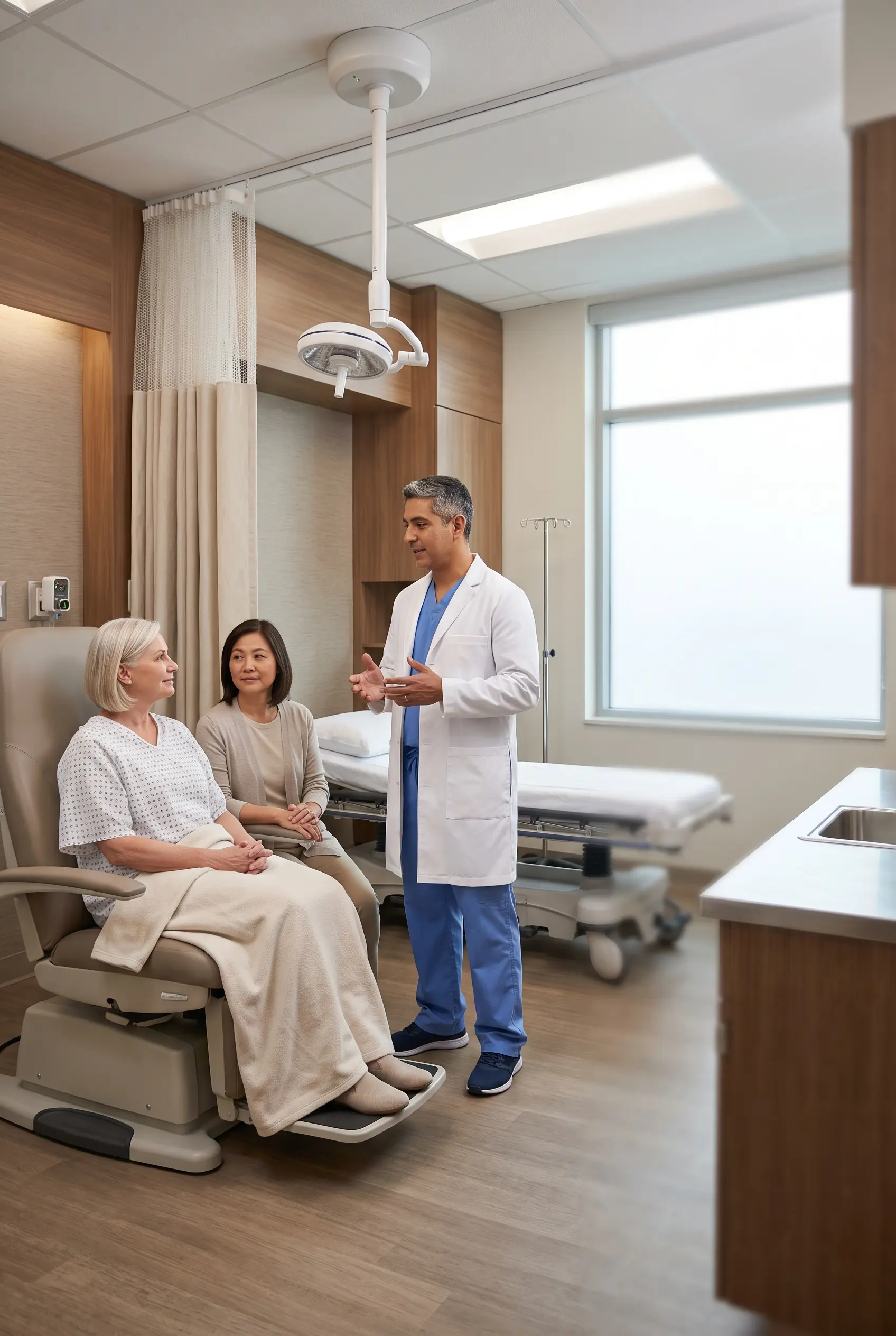
At CDCH, we want every patient and family to feel informed before the visit. Here is what your gastrostomy tube placement procedure looks like with us.
Step 1: Arrival and Medical Review
Our team reviews swallowing history, nutrition status, and past test results. This confirms gastrostomy is the right choice before moving forward.
Step 2: Pre-Procedure Preparation
We help you get comfortable on the procedure table. Our team applies a numbing agent and places an IV line for sedation.
Step 3: Sedation
We give a mild sedative to keep you relaxed. General anesthesia is usually unnecessary for a PEG placement.
Step 4: Endoscopic Guidance
Our physician passes a thin endoscope through the mouth into the stomach. This guides correct tube placement from inside. A small cut is then made in the belly wall.
Step 5: Tube Placement
We guide the gastrostomy tube through the opening and secure it in place. The full procedure usually takes 20 to 30 minutes.
Step 6: Recovery and Home Care Instructions
You rest briefly while the sedation wears off. Our team walks you and your caregiver through tube care, cleaning, and early feeding steps before you leave.
Our Schatzki Ring Treatment Services in Daly City, San Francisco
Gastrostomy Tube Feedings and Daily Home Care
Our team trains caregivers on proper gastrostomy tube feedings. This covers formula type, feeding schedule, and syringe or pump use. We also review flushing steps to keep the tube clear and lower blockage risk between feeds.
How to Vent a Gastrostomy Tube for Bloating Relief
Some patients feel bloated or gassy after meals. Venting a gastrostomy tube lets trapped air escape through the tube. This eases discomfort quickly. Our team shows caregivers exactly when and how to vent safely at home.
Common Gastrostomy Tube Complications and Warning Signs
Most patients tolerate their tube well. Still, our team watches for gastrostomy tube complications such as leaking, infection at the insertion site, or a tube that shifts out of place. We also check for granulation tissue gastrostomy tube growth. This is a common buildup of tissue around the opening. It is easy to treat in a short office visit.
What to Expect During Gastrostomy Tube Removal
When a feeding tube is no longer needed, our physicians perform gastrostomy tube removal during a quick outpatient visit. The opening typically closes on its own within a few days. We monitor healing to confirm it closes the right way.
Why Choose CDCH for Gastrostomy in Daly City, San Francisco?
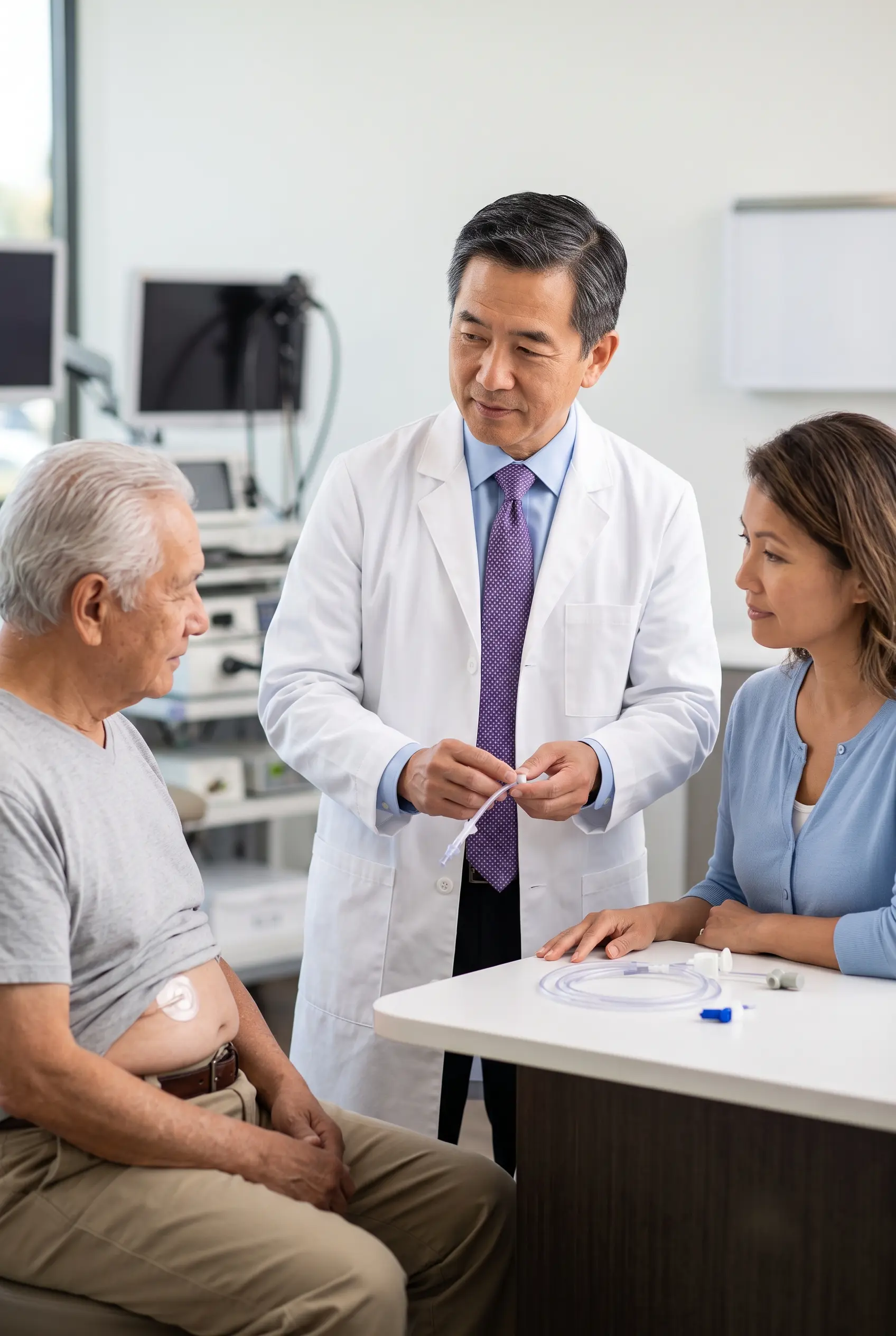
At CDCH, we look beyond the procedure itself. We connect feeding and nutrition needs to your overall metabolic and heart health. Most patients and families in Daly City trust us because:
At CDCH, we:
- We bring years of hands-on experience placing feeding tubes
- We use advanced endoscopic tools for precise, minimally invasive procedures
- We walk caregivers through tube care before discharge, so home care feels manageable
- We accept Medicare, Cigna, Fidelis Care, Beacon, and Carelon
- We work closely with neurology, oncology, and primary care teams
- We connect nutrition support with diabetes, obesity, and cardiometabolic care
Meet Our Experts
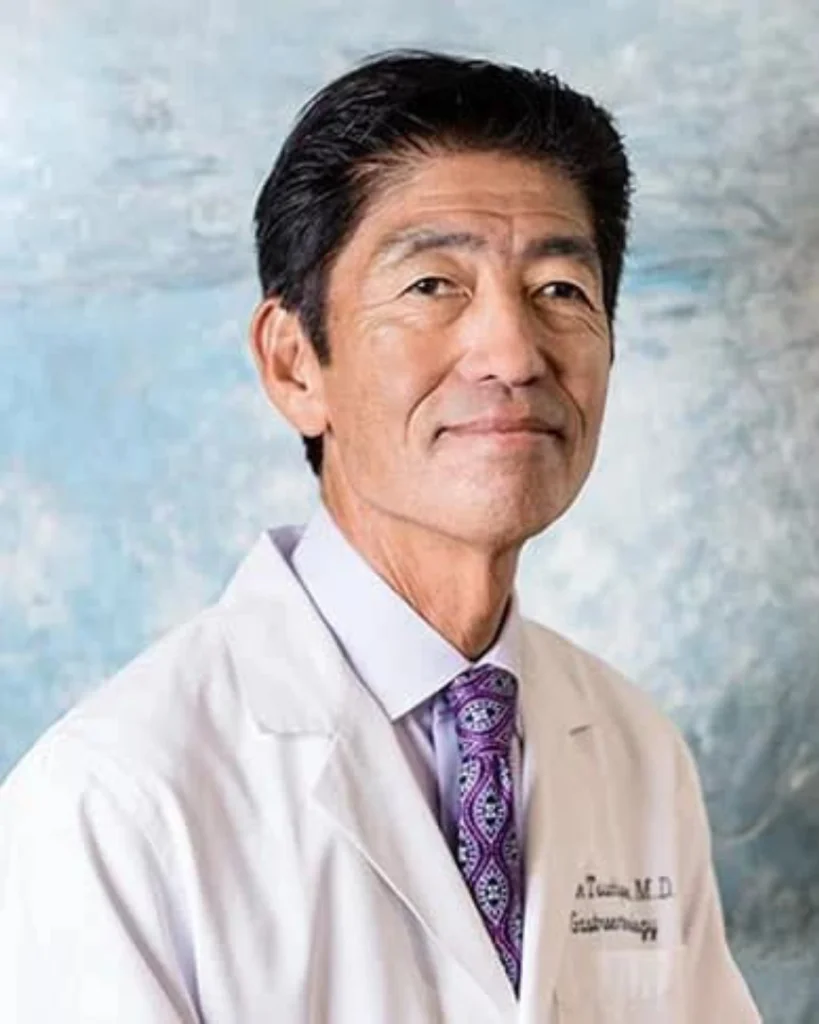
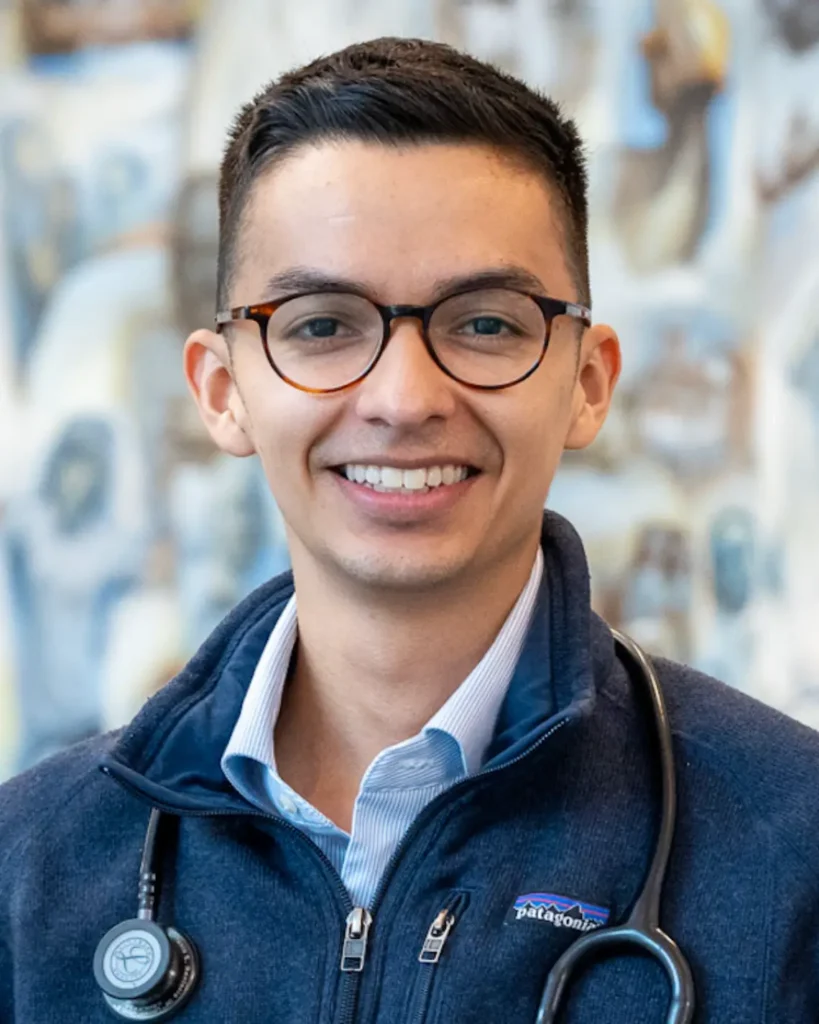
Get to know our board-certified specialists at CDCH. They combine steady hands with genuine care for patients and families. Our team explains every step in plain terms and stays available for questions long after the procedure.
Board-Certified
All providers meet the highest standards of care
Same-Week Appointments
Quick access to expert care when you need it
Local to Bay Area
Serving Daly City, San Francisco & surrounding areas
Convenient Gastrostomy Care in Daly City, San Francisco
Are you searching for a gastrostomy doctor near me? Our CDCH clinic sits conveniently in Daly City, just minutes from San Francisco. We offer same-week consultations and an easy scheduling process for patients and referring doctors alike.
FAQs About Gastrostomy in Daly City, San Francisco

No. Most gastrostomy tubes be placed using a minimally invasive endoscopic method, not open surgery. A PEG placement usually takes 20 to 30 minutes and does not need general anesthesia. Surgical methods like a Stamm gastrostomy are only used when a patient cannot safely have an endoscopy.
A gastrostomy tube is a soft, flexible feeding device placed through the abdominal wall into the stomach. It lets patients who cannot eat safely by mouth get nutrition, fluids, and medication. Our team fits and places the tube based on each patient's anatomy and feeding needs.
PEG refers to the specific endoscopic method used to place a gastrostomy tube. It is not a separate device. In short, a PEG tube is one type of gastrostomy tube. It is placed using an endoscope instead of an open surgical cut.
A standard gastrostomy tube feeds directly into the stomach. A gastrojejunostomy tube goes further, into the small intestine, to bypass the stomach. Our physicians suggest a gastrojejunostomy tube for patients with severe reflux or slow stomach emptying. The right choice depends on digestion and aspiration risk.
A jejunostomy tube goes directly into the jejunum, part of the small intestine, and bypasses the stomach. A gastrostomy tube instead feeds into the stomach itself. We usually recommend a jejunostomy tube only when stomach feeding is not safe or well tolerated.
The procedure itself usually takes 20 to 30 minutes for a standard PEG placement. Patients spend extra time at our Daly City clinic for prep and a short recovery. Plan for a total visit of about one to two hours.
Yes. Once a patient can eat safely by mouth again, our physicians remove the tube during a quick outpatient visit. The stomach opening usually closes on its own within a few days. We check the site to confirm it heals properly.
Get Reliable Feeding Support With a Precise, Minimally Invasive Procedure
- Same-week appointments available
- Board-Certified Specialists
- Personalized Treatment Plans