
Schatzki Ring Treatment in Daly City, San Francisco
At the Center for Diabetes and Cardiometabolic Health (CDCH), we provide expert evaluation and treatment for a Schatzki ring (lower esophageal ring) in Daly City, San Francisco. We identify the cause of your swallowing difficulty and build a personalized plan around your specific condition, connecting your esophageal health to your full digestive wellness at every stage of your care.

What Is a Lower Esophageal Ring (Schatzki Ring)?
A schatzki ring is a thin band of tissue that forms in the esophagus, most often right at the junction where the esophagus meets the stomach. It is not a tumor and it is not cancerous. It is simply extra tissue that narrows the passage.
We find that most Schatzki rings never cause any symptoms at all. Many of our patients only discover they have one incidentally, during an endoscopy or imaging test we perform for an unrelated reason.
Whether a ring causes trouble depends almost entirely on how narrow it is:
- Rings wider than 25 mm almost never cause symptoms
- Rings narrower than 13 mm almost always cause symptoms
- Rings between 13 mm and 25 mm may or may not cause symptoms, depending on eating habits, including how well food is chewed and how large the bites are
Concerned about your liver health? Book a consultation with our gastroenterology specialists today.

What Causes a Lower Esophageal Ring to Form?
The exact schatzki ring causes aren’t fully understood, but we consistently see a few things associated with it in our patients.
Hiatal Hernia
We see Schatzki rings strongly associated with hiatal hernias, and the two often occur together.
Gastroesophageal Reflux Disease (GERD)
We consider chronic acid exposure at the lower esophagus a likely contributor to ring formation, though this link is debated in the research and isn't universally proven.
Medication-Related Irritation
Certain pills that linger in the esophagus can irritate the tissue in a similar way to acid, and we screen for this during your history.
Congenital Factors
In some patients, we find the ring is simply present from birth.
We want to be direct with you here: researchers still don't fully agree on why Schatzki rings form. We treat GERD and hiatal hernia as associated conditions and plausible contributors, not as a confirmed, universal cause, and we won't overstate that certainty to you.
Differential Diagnosis
Woman Liver Cirrhosis Symptoms: Is There a Difference?
Both conditions narrow the esophagus, but we treat them as distinct diagnoses because their structure, causes, and symptom pattern differ.
Lower Esophageal Ring
A lower esophageal ring is a thin, well-defined band of tissue, usually just a few millimeters wide. It typically causes intermittent dysphagia, meaning a swallowing problem that comes on suddenly with a poorly chewed bite of solid food, then resolves once the food passes or is regurgitated. We often see episodes spaced weeks or months apart, and schatzki ring symptoms tend to come and go rather than steadily progress.
Esophageal Stricture
An esophageal stricture is a longer segment of narrowing caused by scarring. Common esophageal stricture causes include long-standing erosive reflux, radiation, prior surgery, or caustic injury. We watch for esophageal stricture symptoms to include progressive dysphagia that gradually worsens over time, eventually affecting liquids as well as solids, often with pain on swallowing or unintentional weight loss.

Symptoms That Signal a Lower Esophageal Ring
The defining pattern we look for with lower esophageal ring symptoms is trouble that comes and goes with specific meals, rather than being present every day. We ask our patients about:
- A sudden feeling that food is stuck in the lower chest or throat, most commonly with meat or bread (sometimes called "steakhouse syndrome")
- Difficulty swallowing solids while liquids pass without trouble
- Chest discomfort tied specifically to eating
- Needing to drink extra water to help push food through
- Regurgitating food to relieve the stuck sensation
Food impaction: a complete blockage that will not pass or come back up on its own. We treat this as a medical emergency requiring urgent endoscopic removal.
Recognising the 14 Signs of Liver Damage From Alcohol
Symptoms depend heavily on whether the liver is still compensating or has begun to decompensate. Many people have no symptoms at all in the early stages.
Barium Swallow (Esophagram)
You swallow a barium-based contrast liquid, sometimes along with a solid bolus such as a barium tablet, while we take X-ray images. We find this is often the most sensitive way to catch a ring, particularly a subtle one, because a ring can flatten out and become harder to see during endoscopy.
Upper GI Endoscopy
We pass a thin, flexible scope through the mouth to directly examine your esophagus. This lets us confirm the ring, measure the narrowing, take biopsies if anything looks abnormal, and rule out other causes of dysphagia such as esophagitis, eosinophilic esophagitis, or Barrett's esophagus.

Treatment Options for a Symptomatic Schatzki Ring
Not every ring needs treatment. If you’re asymptomatic, no intervention is necessary. If you do have symptoms, schatzki ring treatment generally follows a stepwise approach.
Dietary Modification
Chewing food thoroughly, taking smaller bites, and eating more slowly can meaningfully reduce or eliminate symptoms for milder cases, and is often the first thing we discuss.
Esophageal Dilation
When dietary changes aren't enough, esophageal dilation is the primary procedural treatment and directly addresses esophageal stricture treatment needs as well when scarring is involved. During Esophageal dilution we mechanically stretch or fracture the ring to widen the opening. It's typically done using tapered dilators passed during endoscopy (bougienage) or with a balloon inflated at the ring under endoscopic guidance. Sedation is used, and the procedure is generally well tolerated.
Treating Underlying GERD
If reflux is present, we treat it, typically with acid-suppressing medication such as a proton pump inhibitor, since ongoing acid exposure may contribute to the ring reforming after dilation.
Electrosurgical or Surgical Approaches
These are rarely needed and are considered only for rings that don't respond adequately to standard dilation.
What to Expect After Dilation
After dilation, most patients notice improvement, but recurrence is a recognized possibility. This is part of why we build structured follow-up into your care rather than treating a single procedure as the end of the process.
Our Schatzki Ring Treatment Services in Daly City, San Francisco
Our care combines precise diagnosis with a treatment plan matched to your specific ring, symptoms, and swallowing history

Comprehensive Gastroenterology Evaluation
We take a detailed history focused on the pattern of your dysphagia, whether it's solids only or solids and liquids, how often episodes occur, and whether you've had any impaction events. This pattern is often what first distinguishes a ring from a stricture, motility disorder, or eosinophilic esophagitis before any imaging is even done.

Advanced Upper GI Endoscopy
We perform diagnostic upper endoscopy to directly visualize the squamocolumnar junction, measure the ring's opening, and rule out other causes of narrowing such as peptic strictures, eosinophilic esophagitis (including mucosal ring-like furrows), or, rarely, a malignancy. Biopsies are taken when the tissue appearance raises any concern.

Personalized Schatzki Ring Treatment Planning
Your treatment plan is built around the ring's diameter, your symptom frequency, and whether reflux or hiatal hernia is a contributing factor. For a wide, minimally symptomatic ring, dietary modification alone may be reasonable. For a tighter, symptomatic ring, we discuss dilation directly, in plain language, before any procedure is scheduled.

Esophageal Dilation Procedure and Recovery Support
When dilation is appropriate, we perform the esophageal dilation procedure using bougie or balloon technique based on the size and character of your ring. We monitor you through recovery and schedule follow-up to confirm your dysphagia has resolved. If reflux is a contributing factor, we also start or adjust acid-suppression therapy to reduce the chance of the ring reforming.

Nutrition and Swallowing Comfort Guidance
We give concrete, food-specific guidance not general advice on textures and preparation methods that reduce the risk of another impaction while your treatment plan is underway, including how to reintroduce solid foods safely after dilation.

Long-Term Esophageal Health Monitoring
Because recurrence is common, particularly in the first year after dilation, we schedule structured follow-up to catch any return of symptoms early, before another impaction event occurs.
Who Should Schedule a Lower Esophageal Ring Evaluation With Us?
Knowing when to seek care can prevent a minor swallowing issue from becoming an emergency.

Patients With Active Swallowing Symptoms
- Food sticking in the chest or throat, especially with meat or bread
- Intermittent difficulty swallowing solids
- Needing extra fluids to clear food after swallowing
Patients With Related Risk Factors
- Known hiatal hernia or chronic GERD
- Recurrence of symptoms after a previous dilation
- Swallowing difficulty not improved by eating more slowly or chewing more thoroughly
Patients With Concerning Symptom Changes
- Dysphagia that is steadily worsening rather than coming and going
- A prior food impaction requiring emergency care
- Unintentional weight loss from food avoidance
- Pain when swallowing

Why Patients Choose Us for Lower Esophageal Ring Care in Daly City
At CDCH, we:
- Confirm your diagnosis through a combination of barium imaging and direct endoscopic visualization, not one test alone
- Match your treatment to your ring's actual size and symptom pattern, since not every patient needs a procedure
- Perform dilation safely, with sedation, in a monitored clinical setting
- Manage underlying GERD or hiatal hernia when it's a contributing factor
- Offer same-week appointments for patients with active or worsening dysphagia
- Provide specific, practical dietary guidance
Meet Our Gastroenterology Specialists
Our specialists evaluate swallowing disorders, reflux disease, and other digestive conditions using evidence-based care and advanced diagnostic testing. If you're looking for a gastroenterologist for lower esophageal ring care, or simply searching for a trusted doctor for lower esophageal ring evaluation, we're committed to helping you understand your condition and guiding you through every step of your care.
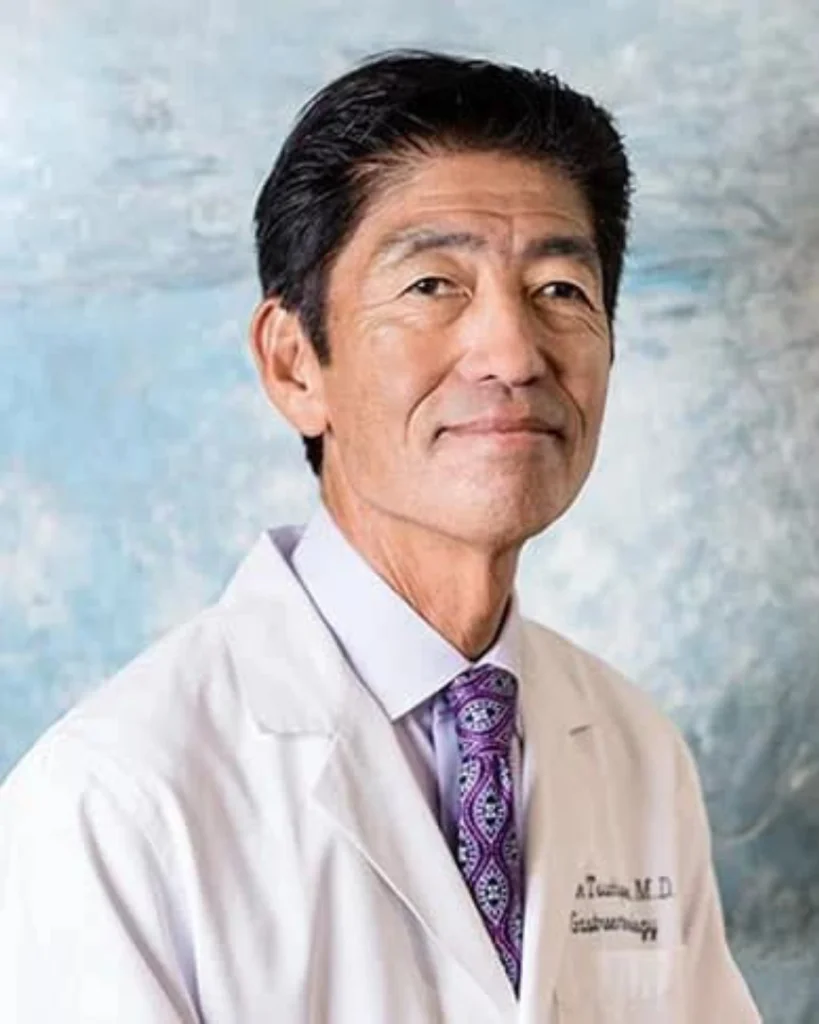

Board-Certified
All providers meet the highest standards of care
Same-Week Appointments
Quick access to expert care when you need it
Local to Bay Area
Serving Daly City, San Francisco & surrounding areas
Lower Esophageal Ring Care Close to Daly City, San Francisco
If swallowing has become difficult or food frequently feels stuck, we’re here to help. We proudly serve patients throughout Daly City, San Francisco, and nearby communities with advanced digestive evaluations and personalized gastroenterology care.
FAQs About Schatzki Ring Treatment in Daly City, San Francisco

Esophageal dilation is a minimally invasive procedure that gently widens a narrowed area of the esophagus using a balloon or specialized dilators. Performed under sedation, it helps relieve swallowing difficulties, improve food passage, and reduce the risk of food impaction.
Recurrence is a recognized possibility, particularly when underlying GERD isn't managed. This is why we often address acid reflux alongside dilation and schedule follow-up care with you.
Most of our patients are comfortable throughout because we use sedation. Mild throat soreness or brief chest discomfort afterward is common and typically resolves within a day or two. Reported esophageal dilation side effects are generally mild and short-lived and may include a sore throat, temporary pain when swallowing, minor bloating from air used during the procedure, and mild nausea related to sedation. Serious complications are uncommon but will be discussed with you before treatment.
A lower esophageal ring forms at the junction of the esophagus and stomach and is associated with hiatal hernia and GERD. An esophageal web forms higher up in the esophagus and is more often linked to iron deficiency anemia. We evaluate and manage the two differently, even though both narrow the passage.
Most patients return to a normal diet gradually, typically starting with soft foods before advancing to solids as any post-procedure swelling resolves. Some difficulty swallowing after esophageal dilation in the first day or two is common and expected. We give you specific timing at your follow-up visit.
In most cases the esophageal dilation is completed within 15 to 30 minutes, with additional time for sedation and recovery monitoring.
Most patients experience meaningful relief of swallowing symptoms after treatment, and the overall esophageal dilation success rate is high, though we always discuss the possibility of recurrence and the value of follow-up care.
Seek emergency care immediately if food becomes completely lodged and won't pass or come back up. Also seek immediate care for severe chest pain, inability to swallow your own saliva, or difficulty breathing alongside swallowing symptoms.
Soft, well-chewed, and well-cooked foods pass most easily. Dense meats, dry bread, and foods that require heavy chewing are the most common triggers for a stuck sensation or impaction, particularly if eaten quickly or in large bites. We give you specific dietary guidance based on your symptoms.
Yes. We accept Medicare, Cigna, Fidelis Care, Beacon, and Carelon. We verify your benefits before your appointment and explain your coverage clearly, so you face no surprises.
Get Answers for Your Swallowing Problems Before They Get Worse
Our specialists use advanced testing to diagnose lower esophageal rings and recommend the right treatment for lasting relief.
- Same-week appointments available
- Board-Certified Specialists
- Personalized Treatment Plans