Gallbladder Disease Treatment in Daly City, San Francisco
The Center for Diabetes and Cardiometabolic Health (CDCH) provides comprehensive evaluation and digestive care for patients with Gallbladder Disease in Daly City and San Francisco. Our team identifies the exact cause of your gallbladder symptoms and builds a personalized treatment plan that addresses both your gallbladder condition and its underlying metabolic drivers.
How the Gallbladder Affects Digestion
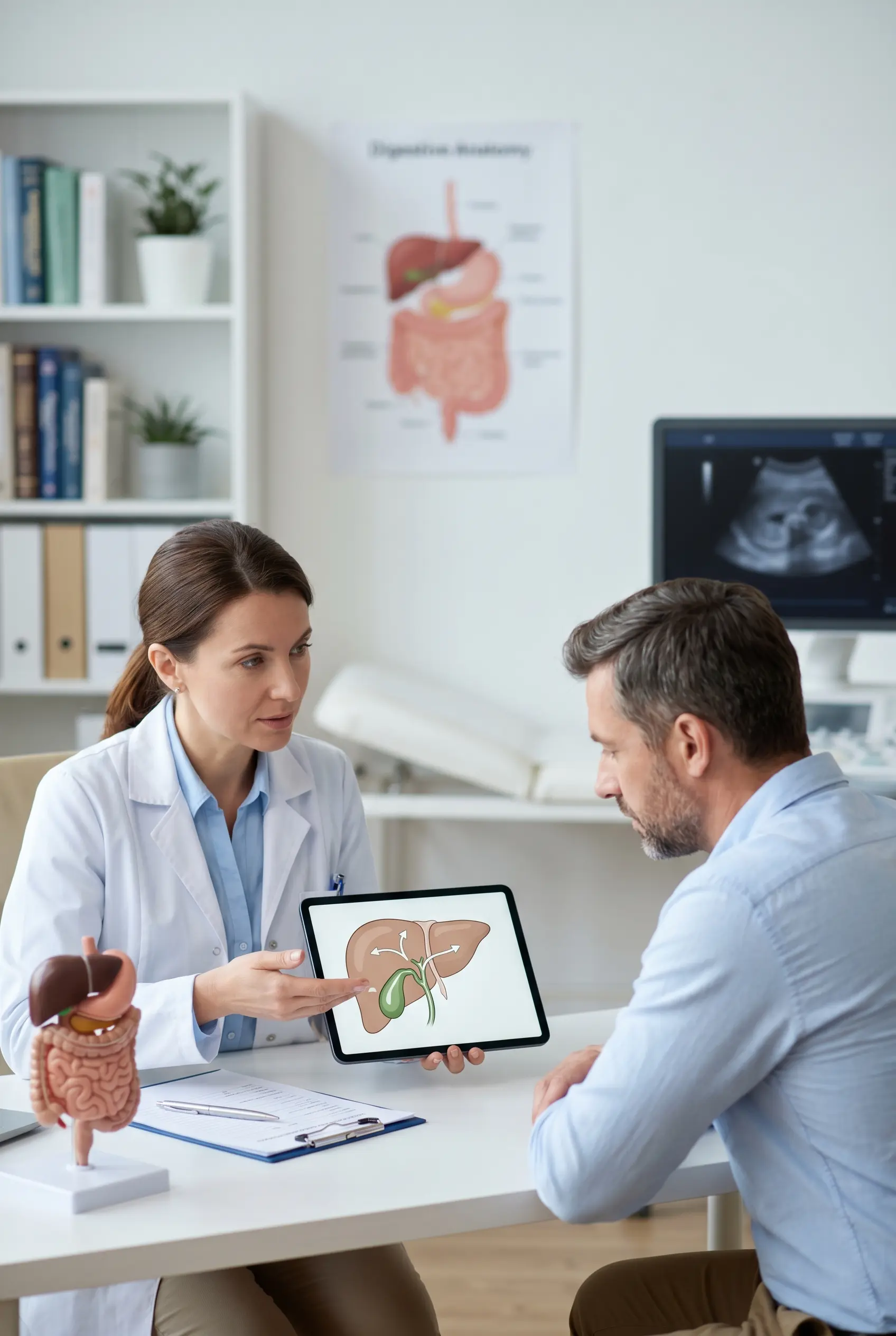
The gallbladder is a small pear-shaped organ that sits beneath the liver on the right side of your abdomen. It stores and concentrates bile produced by the liver.
When you eat, especially fatty foods, the gallbladder releases bile into the small intestine to help digest and absorb dietary fats.
When the gallbladder becomes inflamed, blocked, infected, or does not empty properly, digestive symptoms can develop. Some patients experience occasional discomfort, while others develop more persistent digestive problems linked to chronic gallbladder disease.
Gallbladder conditions may involve:
- Gallstones
- Gallbladder inflammation
- Infection
- Bile flow obstruction
- Functional gallbladder disorders
- dyskinesia gallbladder disease
Types of Gallbladder Disease
Each type has its own cause, symptom pattern, and treatment approach. Identifying which type you have is the first and most important step toward getting the right care.
Gallstones
Gallstones are hard particles that form inside the gallbladder. Cholesterol gallstones are the most common type and form when bile contains too much cholesterol. Pigment gallstones are darker and form when bile contains excess bilirubin. According to Johns Hopkins Medicine, most gallstones cause no symptoms at first. When gallstones enlarge or block a bile duct, painful attacks may occur.
Cholecystitis
Cholecystitis is inflammation of the gallbladder. It most often develops when a gallstone blocks the cystic duct, trapping bile inside. Trapped bile causes painful inflammation and raises the risk of serious infection. Acute cholecystitis causes sudden, severe pain and fever. Chronic cholecystitis develops from recurrent episodes of inflammation that gradually damage the gallbladder wall.
Dyskinesia Gallbladder Disease
It occurs when the natural movements needed to empty the gallbladder do not work properly. Patients develop pain, nausea, and bloating after meals, even without any gallstones present. This condition requires specialized functional imaging to diagnose, as standard ultrasound may appear normal.
Choledocholithiasis
This condition develops when gallstones move from the gallbladder into the common bile duct. Blocked bile flow affects both the gallbladder and liver and raises the risk of serious infection and jaundice. According to Johns Hopkins Medicine, this condition requires prompt medical evaluation and treatment.
Biliary Colic
Biliary colic is the most common and mildest form of gallbladder pain. It causes a steady, gripping, or gnawing pain in the upper right abdomen, typically after eating fatty meals. Pain episodes usually last between 30 minutes and several hours before resolving on their own.

Signs and Symptoms of Gallbladder Stones
Many patients do not realize they have gallstones until a painful attack occurs. According to Johns Hopkins Medicine, most gallstones cause no symptoms at first. When they grow larger or begin blocking bile ducts, painful episodes begin occurring more frequently and with greater intensity.
Common symptoms of gallbladder stones include:
- Sudden and rapidly intensifying pain in the upper right abdomen
- Pain in the center of the abdomen, just below the breastbone
- Pain that radiates toward the right shoulder or between the shoulder blades
- Nausea and vomiting often accompany these painful episodes.
- Pain that lasts between 30 minutes and several hours before easing
- Sweating and restlessness during a severe gallstone pain episode
- Jaundice, causing yellowing of the skin and eyes, occurs when a bile duct becomes blocked
What Causes Gallbladder Issues
Several digestive and metabolic factors raise the risk of gallbladder disease and gallstone formation.
Common risk factors for gallbladder disease include:
- Excess cholesterol in the bile leads to cholesterol gallstone formation
- Obesity, which concentrates cholesterol in the bile and reduces gallbladder contractions
- Rapid weight loss disrupts normal bile composition and flow
- Type 2 diabetes and insulin resistance affect bile composition over time
- High triglyceride levels and low HDL cholesterol levels in the blood
- Hormonal factors, including pregnancy and estrogen-based medications in women
- Family history of gallstones or gallbladder disease in close relatives
- Prolonged fasting or very low-calorie diets disrupt normal bile emptying
Gallbladder Disease and Acid Reflux
Gallbladder disease and acid reflux are separate digestive conditions, but they can feel very similar. Both affect the upper digestive tract and commonly cause discomfort after eating, making a proper diagnosis important.
Shared Symptoms
Both conditions may cause:
- Burning or upper abdominal discomfort
- Nausea and bloating
- Fullness after meals
- Symptoms that worsen after fatty or heavy foods
Because of these overlapping symptoms, many people mistake gallbladder pain for acid reflux.

Acid Reflux
Acid reflux usually causes:
- A burning sensation that rises into the chest or throat
- Symptoms triggered by spicy or acidic foods
- Discomfort that worsens when lying down or bending over
- Frequent burning throughout the day

Gallbladder Disease
Gallbladder disease more commonly causes:
- Pain in the upper right abdomen
- Pain that spreads to the back or shoulder
- Intense episodes of pain after fatty meals
- Nausea or discomfort that comes and goes
Why Proper Evaluation Matters
Since symptoms can overlap, a professional evaluation is often needed to determine whether acid reflux, gallbladder disease, or another digestive condition is causing them.
How We Evaluate Your Gallbladder at CDCH
At Center for Diabetes and Cardiometabolic Health (CDCH), we follow a clear, structured process to evaluate your gallbladder condition accurately. Here is exactly what happens during your evaluation at our Daly City clinic.
Step 1: Detailed Digestive Health Consultation
We ask about your symptoms, when they started, and what triggers them. We also review your medical history, previous imaging, current medications, and any metabolic conditions that may be contributing to your gallbladder problem. This conversation shapes everything that follows in your evaluation.
Step 2: Physical Examination and Abdominal Assessment
Our specialists examine your abdomen carefully for tenderness and signs of inflammation in the gallbladder area. We also check for jaundice and abdominal swelling that may indicate a complication is developing. These physical findings guide our next diagnostic steps before test results are available.
Step 3: Blood Testing and Liver Function Evaluation
We order blood tests to check your liver enzymes, bilirubin levels, infection markers, and pancreatic function. Elevated results may indicate bile duct obstruction or gallbladder inflammation. These findings help us decide which imaging and further evaluation steps are most appropriate for your specific situation.
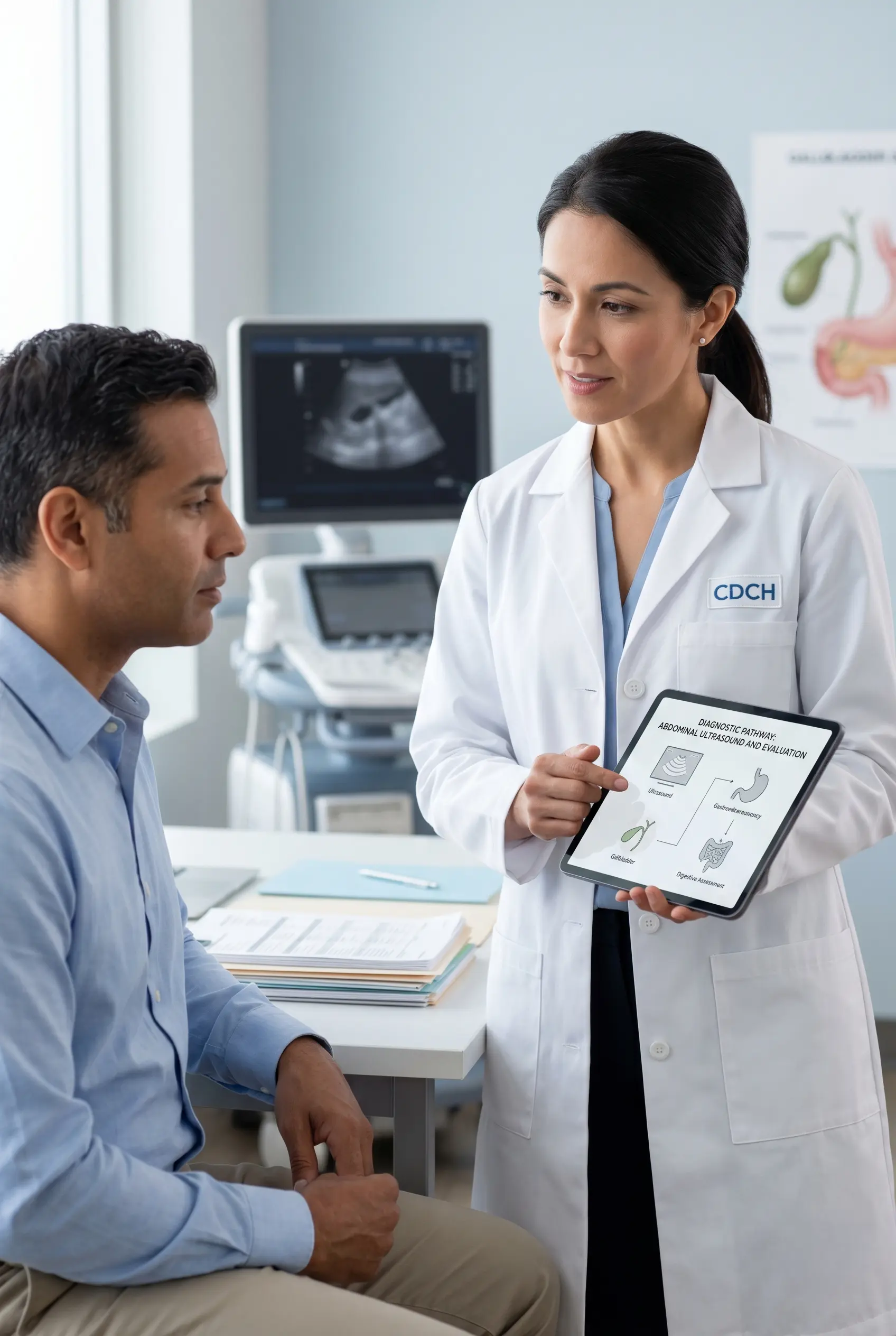
Step 4: Gallbladder Ultrasound Imaging
Our team uses abdominal ultrasound to check for gallstones, gallbladder wall thickening, bile duct dilation, and inflammation. Ultrasound is the most accurate and widely used first-line imaging tool for gallbladder disease. Most patients receive their ultrasound at our Daly City clinic without needing to visit a separate imaging facility.
Step 5: Additional Imaging When Needed
If your ultrasound results are unclear or bile duct complications are suspected, we recommend additional imaging for a more detailed assessment. Specialized functional imaging can also measure how well your gallbladder empties bile after eating. This step is particularly useful when dyskinesia gallbladder disease is suspected based on your symptoms.
Step 6: Results Review and Personalized Next Steps
Our team sits with you and explains every finding clearly, in plain, simple terms. We tell you what your results mean, whether further evaluation or surgical referral is needed, and what your personalized care plan looks like going forward.
Our Gallbladder Disease Care Services in Daly City, San Francisco
At CDCH, we provide complete and supportive care for patients with gallbladder disease and related biliary conditions. Every service connects to a personal care plan built around your specific diagnosis, metabolic health, and digestive wellness goals.

Personalized Digestive Symptom Management
We help you identify the specific foods and habits that trigger your gallbladder symptoms. Our team creates a daily management plan that reduces your pain and bloating between visits. We make sure you always know what to watch for and when to contact us.

Nutrition and Meal Planning Support
Our specialists provide practical low-fat meal guidance to reduce stress on your gallbladder after eating. Our team advises on portion timing, food choices, and eating habits that improve your digestive comfort every day. We make dietary changes feel manageable and realistic for your daily routine.

Metabolic and Diabetes Focused Care
We manage your blood sugar, weight, and cholesterol alongside your gallbladder condition. Our team addresses the metabolic factors driving your gallstone risk directly. Managing these conditions together supports better digestive and overall health outcomes.

Acid Reflux and Upper GI Support
Our doctors support patients who experience acid reflux or heartburn symptoms alongside their gallbladder condition. Our team coordinates care for both conditions simultaneously, so nothing gets missed. We ensure overlapping digestive symptoms are evaluated and treated as part of your comprehensive care plan.

Biliary Colic and Pain Support
We guide you on managing episodic biliary colic through dietary modification and trigger avoidance. Our team monitors your pain patterns at every visit and adjusts your plan as your symptoms change. We advise you clearly on when worsening pain needs further medical attention.

Surgical Referral Coordination
When gallbladder removal is medically necessary, our team coordinates timely referral and pre-surgical evaluation with trusted surgical specialists. We remain involved in your digestive and metabolic care before and after surgery to support long-term recovery and symptom management.

Long-Term Gallbladder Health Monitoring
We schedule regular follow-up visits to track your digestive symptoms, metabolic markers, and imaging results over time. Our team adjusts your care plan based on how your condition is progressing at every stage. We stay actively involved in your gallbladder health for as long as you need our support.
Who Should Seek Gallbladder Evaluation at CDCH?
We recommend gallbladder evaluation for any patient with persistent digestive symptoms, a known gallbladder condition, or metabolic risk factors that significantly increase their risk of gallstone formation.

Patients with Active Digestive Symptoms
- Recurring upper right abdominal pain after meals
- Nausea, bloating, or indigestion that does not resolve with dietary changes
- Pain that spreads to the right shoulder or upper back after eating
- Digestive discomfort that consistently wakes you at night
Patients with Known Gallbladder Conditions
- Previously diagnosed with gallstones needing ongoing monitoring or treatment
- History of cholecystitis or biliary colic requiring follow-up evaluation
- Diagnosed with dyskinesia and gallbladder disease needing consistent management
- Patients whose gallbladder symptoms have returned after prior treatment
Patients with Metabolic Risk Factors
- Living with obesity, type 2 diabetes, or metabolic syndrome
- Recent rapid weight loss has significantly raised the risk of gallstone formation
- High cholesterol or triglyceride levels affect bile composition
- Women experiencing hormonal changes linked to pregnancy or contraceptive use
What Makes CDCH the Right Choice for Gallbladder Care in Daly City
At Center for Diabetes and Cardiometabolic Health (CDCH), we approach gallbladder disease as part of your full digestive and metabolic health picture.
- We diagnose all types of gallbladder disease, including gallstones, cholecystitis, and dyskinesia
- We use abdominal ultrasound and targeted blood testing for accurate gallbladder evaluation
- We treat obesity, diabetes, and high cholesterol, which directly drive gallstone formation risk
- We manage overlapping acid reflux and upper GI symptoms alongside gallbladder care
- We coordinate prompt surgical referrals when gallbladder disease requires surgical intervention
- We provide long-term monitoring and dietary support for patients with chronic gallbladder conditions
- We offer same-week appointments for patients who need a timely gallbladder evaluation and care
- We accept Medicare, Cigna, Fidelis Care, Beacon, and Carelon
Meet Our Experts
Our digestive health specialists at Center for Diabetes and Cardiometabolic Health (CDCH) bring real clinical experience and patient care to every appointment. Our team understands how disruptive and uncomfortable persistent gallbladder symptoms can be when they affect your ability to eat, sleep, and carry out your daily routine normally.


Board-Certified
All providers meet the highest standards of care
Same-Week Appointments
Quick access to expert care when you need it
Local to Bay Area
Serving Daly City, San Francisco & surrounding areas
Gallbladder Disease Care Close to Home in Daly City, San Francisco
Are you looking for expert gallbladder disease treatment near you in the Bay Area? Our CDCH clinic sits conveniently in Daly City, just minutes from San Francisco, South San Francisco, and Pacifica. Accurate diagnostic testing and a patient-first approach that makes getting the right answers for your gallbladder symptoms straightforward and stress-free.
FAQs About Gallbladder Disease Treatment in Daly City, San Francisco

Yes, in some cases. Patients with mild symptoms, silent gallstones causing no pain, or functional gallbladder conditions may be managed without surgery. Dietary changes and metabolic health support are used in these situations. However, patients with symptomatic gallstones causing pain or serious complications typically require surgical gallbladder removal.
They are generally similar to those in men, but women carry a significantly higher overall risk. Hormonal changes during pregnancy, estrogen-based contraceptive use, and rapid weight changes all increase gallstone formation risk. Women may experience more frequent and severe gallstone attacks during hormonal shifts.
Yes. Gallbladder pain frequently radiates beyond the upper right abdomen into the back and right shoulder. Biliary colic causes pain that spreads toward the back and right shoulder after eating fatty foods. The referred pain pattern can be easily confused with musculoskeletal back or shoulder problems. Many patients live with an incorrect diagnosis for months before a proper gallbladder evaluation identifies the real cause.
A gallbladder attack occurs when a gallstone temporarily blocks the cystic duct. It causes sudden and intense cramping pain. Attacks typically happen after fatty meals and at night. Pain usually lasts from 30 minutes to several hours. It eases once the stone shifts and the blockage clears. Repeated attacks signal that proper medical evaluation and treatment are needed without further delay.
These develop when a serious gallbladder infection spreads into the bloodstream. Warning signs include high fever, chills, and severe abdominal pain. Confusion, rapid heartbeat, and low blood pressure are also serious warning signs. These symptoms require immediate emergency medical care. Gallbladder infection can become serious quickly and may require emergency medical treatment, especially when fever, severe pain, vomiting, or jaundice are present.
Obesity raises cholesterol levels in bile and reduces the frequency of gallbladder contractions that release bile. Both factors directly promote cholesterol gallstone formation. Maintaining a healthy weight through gradual, sustainable dietary changes meaningfully reduces the risk of gallstones. However, rapid weight loss can paradoxically also increase gallstone risk.
Yes. We accept Medicare, Cigna, Fidelis Care, Beacon, and Carelon. Our team verifies your benefits before your appointment and explains your coverage and payment options clearly so you face no surprises on the day of your gallbladder evaluation at our Daly City clinic.
Gallbladder Symptoms That Keep Coming Back Deserve a Proper Evaluation
- Same-week appointments available
- Board-Certified Specialists
- Personalized Treatment Plans