
Radiation Enteritis Treatment in Daly City, San Francisco
At the Center for Diabetes and Cardiometabolic Health (CDCH), we offer expert evaluation and radiation enteritis treatment in Daly City, San Francisco. We find out how past radiation therapy has affected your bowel and build a personal plan around your specific symptoms, linking your digestive recovery to your overall metabolic health at every step of your care.

What Is Radiation Enteritis?
Radiation enteritis is swelling and tissue damage in the small or large intestine that shows up after radiation therapy, most often treatment given for pelvic or abdominal cancers such as cervical, prostate, rectal, or bladder cancer.
What Causes Radiation Enteritis?
The radiation enteritis cause is direct exposure of intestinal tissue to radiation during cancer treatment. The bowel lining renews itself all the time, which makes it sensitive to radiation in much the same way skin or the lining of the mouth can be.
When people ask us what causes radiation enteritis to become more severe or last longer, we point to a few factors:
- Total radiation dose and the size of the treatment area
- Chemotherapy given at the same time, which can make tissue more sensitive
- Prior abdominal or pelvic surgery, since scar tissue can hold loops of bowel in place within the radiation area
- Underlying blood vessel disease, which limits the bowel's ability to hea
- Personal sensitivity, since two patients getting the same dose can respond very differently
Differential Diagnosis
Acute vs. Chronic Radiation Enteritis
We look at these as two separate situations because their timing, findings, and treatment differ.
Acute Radiation Enteritis
Acute symptoms usually start within days to weeks of beginning radiation and often clear up within a few months of finishing treatment. Acute radiation enteritis diagnosis is usually based on the timing of symptoms compared to treatment, along with a physical exam and a basic history of bowel habits, since swelling at this stage rarely lasts.
Chronic Radiation Enteritis
Chronic symptoms can show up months or even years after radiation ends, once scarring, narrowing, or blood vessel damage has had time to build up. Chronic radiation enteritis treatment tends to take more work, because the tissue changes are structural rather than just inflammation, and they don’t go away on their own.
Symptoms That Signal Radiation Enteritis
Radiation enteritis symptoms differ based on which part of the bowel was affected and how much time has passed since treatment.
When these symptoms stick around well past the end of radiation, we're often looking at long term bowel problems after radiotherapy rather than a short-term side effect, and this pattern guides how we look into and manage your care.
Watery diarrhea, sometimes with urgency or trouble controlling bowel movements
Stomach cramping or pain, often linked to eating
Nausea, especially during or shortly after active radiation treatment
Rectal bleeding or blood in the stool
Unplanned weight loss or signs of poor nutrient absorption
Bloating or a feeling of partial blockage after meals
How We Diagnose Radiation Enteritis
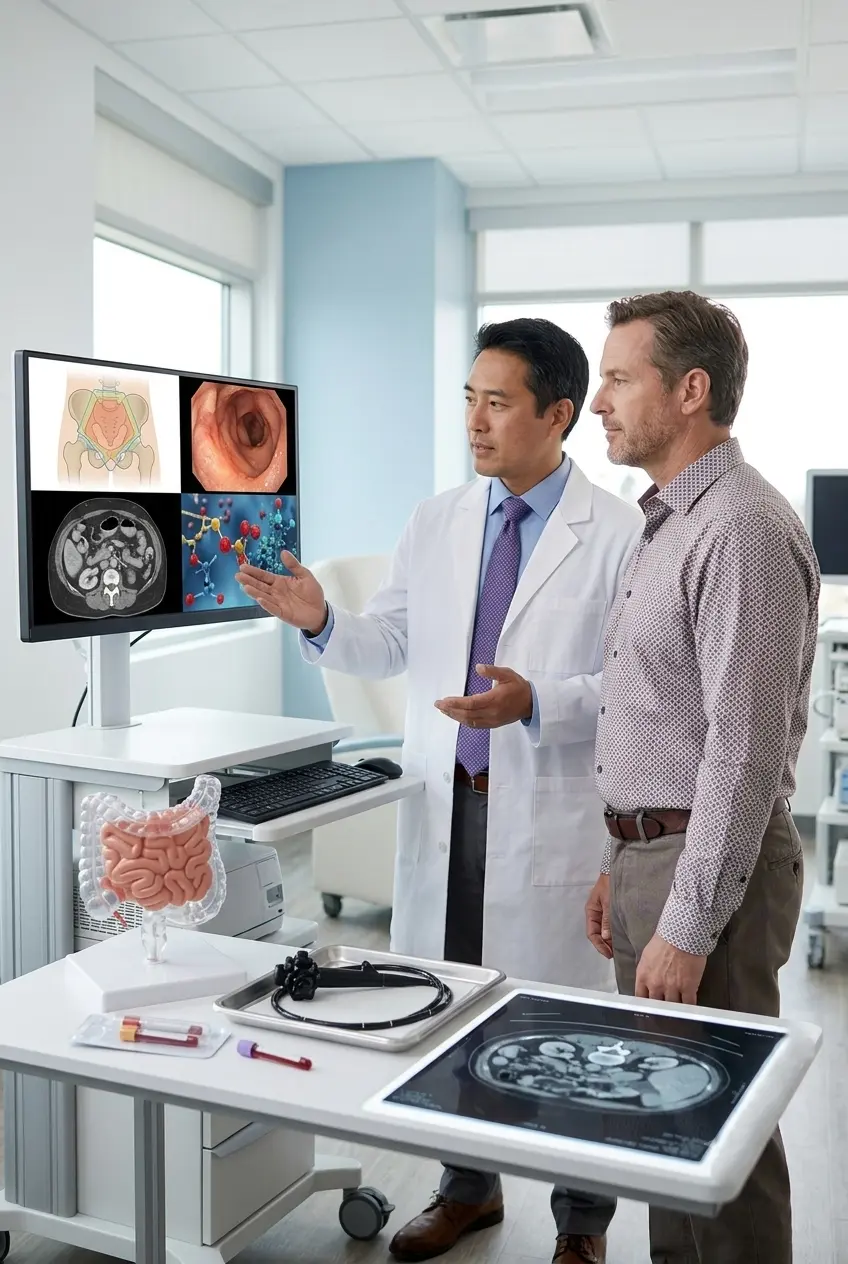
People often ask us how is radiation enteritis diagnosed, since the symptoms overlap with several other digestive conditions. Our evaluation usually combines:
Detailed History and Radiation Records
We look at your radiation dose, treatment area, and timeline alongside your current symptoms, since this background often points directly toward or away from a radiation-related cause.
Endoscopy or Colonoscopy
We look directly at the affected bowel lining, checking for swelling, sores, fragile blood vessels, or narrowing, and take tissue samples when needed to rule out cancer coming back or other causes.
Imaging Studies
CT or MR enterography can spot narrowed areas, abnormal connections, or thickened bowel wall that endoscopy alone might miss, especially in long-term cases affecting the small intestine.
Laboratory Testing
Bloodwork helps us check for low blood count from bleeding, nutrient shortages from poor absorption, and signs of ongoing swelling.
This pattern of injury is different from other causes of bowel swelling, and confirming that we're dealing with true radiation injury to bowel, rather than an unrelated condition, is key to getting your treatment plan right.
Management & Care
Our Treatments for Radiation Enteritis
The treatment of radiation enteritis at CDCH follows a step-by-step approach based on whether symptoms are short-term or long-term, and how much they’re affecting your nutrition and daily life. We shape each plan around your specific findings rather than using a one-size-fits-all method.

Dietary Modification
For many patients, changing what and how you eat is the first and most effective step. A radiation enteritis diet generally cuts back on high-fiber, high-fat, and dairy-based foods during flare-ups, while focusing on smaller, more frequent meals that are easier for an irritated bowel to handle.

Medication Management
Anti-diarrheal drugs, anti-inflammatory medications, and bile acid binders can each play a role depending on your specific symptoms. We also treat vitamin B12, iron, or other vitamin shortages when poor absorption is a factor.
Endoscopic Treatment
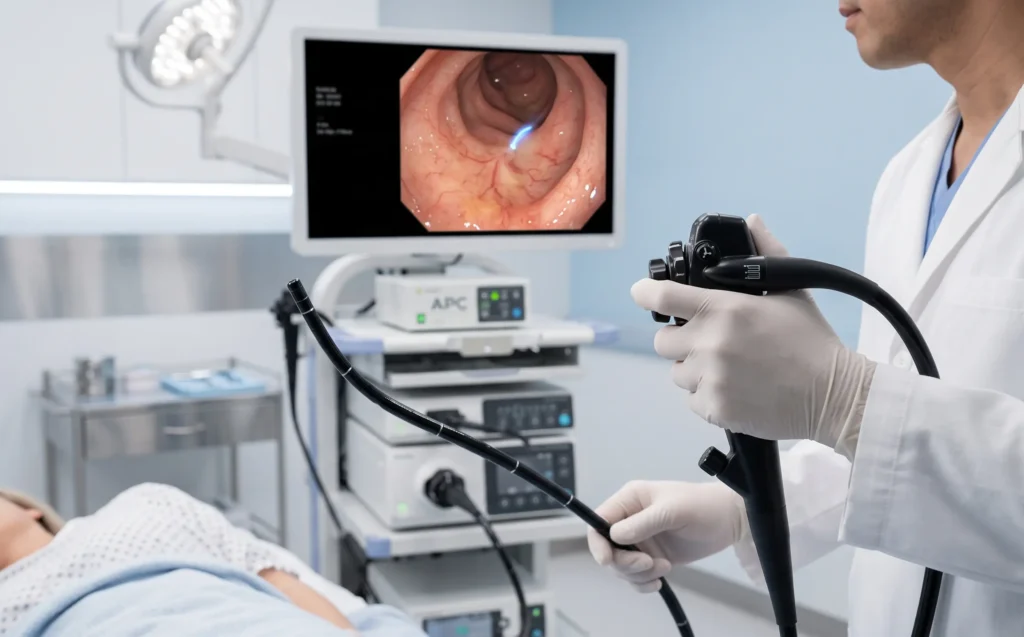
For long-term bleeding from fragile blood vessels, we can use endoscopic methods such as argon plasma coagulation to stop ongoing blood loss without surgery.

Radiation Enteritis Surgery
When narrowed areas, abnormal connections, or a tear in the bowel wall develop and don't respond to medical treatment, radiation enteritis surgery may be needed to remove the damaged section of bowel. Because tissue that has had radiation heals more slowly, surgery here is approached with extra care and is generally saved for cases where other options haven't worked.
Radiation Enteritis Prevention
While not every case can be avoided, radiation enteritis prevention steps during cancer treatment can lower both the severity and long-term risk.
If you're currently going through radiation therapy, we can work directly with your oncology team on these protective steps and monitor your bowel health throughout your treatment.
Prevention steps include:
Modern radiation methods, such as intensity-modulated radiation therapy (IMRT), that shape the treatment area to limit dose reaching healthy bowel
Careful treatment planning that accounts for bowel position, including devices that shift bowel loops away from the radiation path
Bladder-filling or belly-board techniques used during treatment sessions to move small bowel out of the radiation path
Close watching for early symptoms during active treatment, so care can start before damage builds up
Nutrition guidance during radiation therapy to help bowel tissue hold up better and reduce irritation
Coordinated follow-up between our team and your oncologist to track bowel health during and after treatment
Patient Profile
Who Should Schedule a Radiation Enteritis Evaluation With Us?
Knowing when to get care can stop a manageable issue from turning into something more serious.

Patients Currently in Radiation Treatment
- New or worsening diarrhea, cramping, or nausea during active radiation therapy
- Trouble keeping up weight or nutrition during treatment
Patients Currently in Radiation Treatment
- Bowel symptoms that started months or years after finishing radiation
- Rectal bleeding or ongoing changes in bowel habits
- Signs of nutrient shortage, tiredness, or unexplained weight loss
Patients With Concerning Symptom Changes
- Signs of a bowel blockage, including severe cramping and being unable to pass gas or stool
- Ongoing bleeding or worsening low blood count
- Symptoms that haven't improved with diet changes alone

Why Patients Choose Us for Radiation Enteritis Care in Daly City
Radiation enteritis needs a careful, well-coordinated approach, especially when it overlaps with ongoing cancer care. Here’s what sets our care apart:
- We confirm your diagnosis through a mix of endoscopic evaluation, imaging, and your radiation treatment history
- We tell short-term swelling apart from long-term structural changes, since each needs a different approach
- We coordinate care with your oncology team when radiation enteritis develops during or after active cancer treatment
- We give specific, practical dietary guidance rather than general advice
- We offer same-week appointments for patients with worsening or ongoing bowel symptoms
Meet Our Specialists
Our specialists evaluate radiation-related bowel injury, digestive complications of cancer treatment, and related conditions using evidence-based care and advanced testing. If you're looking for a gastroenterologist for radiation enteritis care, or simply searching for a trusted doctor to check bowel symptoms after radiation therapy, we're committed to helping you understand your condition and guiding you through every step of your care.


Board-Certified
All providers meet the highest standards of care
Same-Week Appointments
Quick access to expert care when you need it
Local to Bay Area
Serving Daly City, San Francisco & surrounding areas
Radiation Enteritis Treatment Near You in Daly City, San Francisco
If bowel symptoms have shown up during or after radiation therapy, we’re here to help. Our clinic is easy to reach for patients across Daly City, South San Francisco, and the greater San Francisco area, so you don’t have to travel far for specialized digestive care. Whether you’re currently undergoing cancer treatment or dealing with symptoms that started years after your last radiation session, our team offers the endoscopic evaluation, imaging, and personalized management needed to get your bowel symptoms under control.
FAQs About Radiation Enteritis Treatment in Daly City, San Francisco

Radiation enteritis is swelling or damage to the intestinal lining caused by radiation therapy for cancer. It can show up during treatment as a short-term reaction or develop months to years later as a long-term condition.
Radiation enteritis is caused by exposure of healthy bowel tissue to radiation during cancer treatment. Dose, size of the treatment area, chemotherapy given at the same time, and personal tissue sensitivity all affect how severe symptoms get.
Diagnosis combines your radiation treatment history with endoscopy, imaging such as CT or MR enterography, and bloodwork to check for low blood count or nutrient shortages. This helps confirm radiation as the cause and rule out other conditions.
Yes. Short-term symptoms often improve with diet changes and medication once radiation treatment ends. Long-term cases, involving scarring or narrowing, may need endoscopic therapy or, less often, surgery.
Yes. Smaller, more frequent meals and cutting back on high-fiber, high-fat, or dairy-based foods during flare-ups can meaningfully reduce diarrhea and cramping. We give specific dietary guidance based on your symptom pattern.
Modern radiation planning methods that limit exposure to healthy bowel tissue can lower risk. If you're currently in treatment, reporting symptoms early lets us step in before damage builds up.
Surgery is uncommon and saved for complications like narrowed areas, abnormal connections, or a bowel blockage that don't respond to medical treatment. Because tissue that has had radiation heals more slowly, surgical decisions are made with extra care.
Yes. We accept Medicare, Cigna, Fidelis Care, Beacon, and Carelon. We check your benefits before your appointment and explain your coverage clearly, so you face no surprises.
Ongoing Bowel Problems Aren't Just Something You Have to Live With
Our specialists use advanced testing to diagnose radiation enteritis and recommend the right treatment for lasting relief.
- Same-week appointments available
- Board-Certified Specialists
- Personalized Treatment Plans