
Eosinophilic Esophagitis (EoE) Treatment in Daly City, CA
Eosinophilic esophagitis (EoE) is a chronic immune-mediated condition where white blood cells called eosinophils build up in the esophagus lining, causing inflammation and damage.
This allergic reaction to foods or environmental triggers makes swallowing difficult, causes food to get stuck, and leads to chest pain that significantly impacts quality of life.
At Center for Diabetes and Cardiometabolic Health (CDCH) in Daly City, our gastroenterology specialists provide expert diagnosis and comprehensive EoE treatment to help you eat comfortably again.
Understanding EoE: Medical Definition
What is EoE disease? The EoE medical definition describes it as a chronic, immune-mediated esophageal disease characterized by symptoms of esophageal dysfunction and eosinophil-predominant inflammation. In simpler terms: your immune system mistakenly attacks your esophagus in response to certain triggers (usually foods), causing white blood cells to accumulate and create inflammation. This is different from acid reflux—EoE is an allergic condition, not caused by stomach acid.
1
Eosinophilic Esophagitis (EoE)
This is an allergic/immune condition where eosinophils (allergy cells) infiltrate the esophagus. What causes eosinophilic esophagitis? Food allergens (milk, wheat, eggs, soy, nuts, shellfish) and environmental allergens trigger the immune response.
EoE has genetic predisposition and often occurs alongside other allergic conditions like asthma, eczema, or seasonal allergies.
2
Reflux Esophagitis (GERD)
Caused by stomach acid backing up into the esophagus due to a weak lower esophageal sphincter. Risk factors include hiatal hernia, obesity, and pregnancy.
Other Forms of Esophagitis
- Infectious: Fungal or viral (HSV/CMV)
- Medication: Pill-induced irritation
- Radiation: Cancer treatment side effect
EoE Symptoms We Treat
Classic EoE Symptoms
- Dysphagia (difficulty swallowing)
- Food impaction (medical emergency)
- Odynophagia (painful swallowing)
- Non-cardiac chest pain
- Refractory Heartburn
Adaptive Behaviors
(Often Unrecognized)
- Eating very slowly
- Excessive chewing
- Cutting food into tiny pieces
- Washing food down with liquids
- Texture avoidance (bread/meat)
Associated Symptoms
- Nausea and vomiting
- Abdominal pain
- Regurgitation
- Poor appetite / Weight loss
Many patients develop adaptive eating habits without realizing their swallowing isn’t normal.
Emergency: Food Stuck in Esophagus
Food impaction—when food becomes completely stuck in your esophagus—is a medical emergency requiring immediate attention. If food won't go down despite drinking liquids, you cannot swallow your saliva, or you're experiencing severe chest pain, go to the emergency room immediately.
The food stuck in esophagus cure requires emergency endoscopy to safely remove the obstruction. Don’t wait—prolonged impaction can cause perforation.
What Causes Eosinophilic Esophagitis?
Exploring the complex triggers and biological factors
How We Diagnose Eosinophilic Esophagitis
1
Clinical History
We review swallowing difficulties, adaptive eating, and family history to guide clinical suspicion.
2
Upper Endoscopy (EGD)
Essential visual examination for white plaques, furrows, or concentric "ringed" tissue.
3
Biopsies (Definitive)
Diagnosis requires ≥15 eosinophils per high-power field (eos/hpf).
4
Acid Suppression
High-dose PPI trial helps distinguish EoE from GERD. Persistence confirms EoE.
5
Additional Testing
Allergy tests, Barium swallows, or pH monitoring to rule out other conditions.
- No other test can confirm EoE definitively without Biopsies.
Comprehensive EoE Treatment Strategy
Medical
Proton Pump Inhibitors (PPIs)
First-line treatment (e.g., omeprazole 40mg twice daily) to reduce inflammation safely.
Topical Corticosteroids
Swallowed fluticasone or budesonide slurries that coat and heal the esophagus.
Biologics (Dupixent)
FDA-approved monoclonal antibody targeting IL-4/IL-13. Administered every 2 weeks.
Dietary
Elimination Diets
The "Big Six" removal (milk, wheat, egg, soy, nuts, shellfish) followed by systematic reintroduction.
Elimination Diets
Amino acid formulas that eliminate all food proteins. Reserved for severe cases.
TIF procedureTrigger Identification
Identifying individual "foods to avoid" through 6-12 month reintroduction phases.
Lifestyle
- Eat slowly / Chew thoroughly
- Stay hydrated during meals
- Elevate head of bed
- Manage seasonal allergies
Don’t eat/drink for 30 min after topical steroids to allow proper coating.
Your EoE Treatment Journey: What to Expect
Diagnosis & Start
Weeks 0-2
Endoscopy confirms EoE. Begin PPIs or steroids and dietary changes.
First Follow-Up
Weeks 8-12
Repeat biopsies assess response (<15 eos/hpf required for success).
Optimization Phase
Months 3-12
Fine-tune meds or systematic food reintroduction. Several endoscopies may be needed.
Maintenance
Long-Term
remission monitoring. Control symptoms—EoE is manageable but not curable.
These complications make it essential to seek treatment early.
Can eosinophilic esophagitis be cured?
EoE is a chronic condition that requires ongoing management. While symptoms can resolve, stopping treatment usually causes recurrence. It is controllable like asthma.
- Daly City, CA
When Procedures Are Needed
If EoE has caused esophageal strictures (narrowing), esophageal dilation may be necessary to improve swallowing. This endoscopic procedure gently stretches the esophagus using balloons or graduated dilators.
Dilation provides immediate symptom relief but doesn’t treat underlying inflammation—medical/dietary therapy is still required. In severe cases, Nissen fundoplication surgery may be considered.

Preventing EoE Complications
Strictures
Food Impaction
Perforation
Malnutrition
Barrett's Esophagus
Quality of Life
Eating Anxiety
Early Diagnosis prevents these
Frequently Asked Questions

EoE requires expertise in both gastroenterology and allergic diseases. Looking for an "eoe specialist near me" or eosinophilic esophagitis specialist? Choose a gastroenterologist experienced in EoE diagnosis, treatment, and monitoring.
Initial endoscopy confirms diagnosis. Follow-up endoscopy at 8-12 weeks assesses treatment response. Surveillance frequency depends on your specific symptom control.
Meet Our Specialists
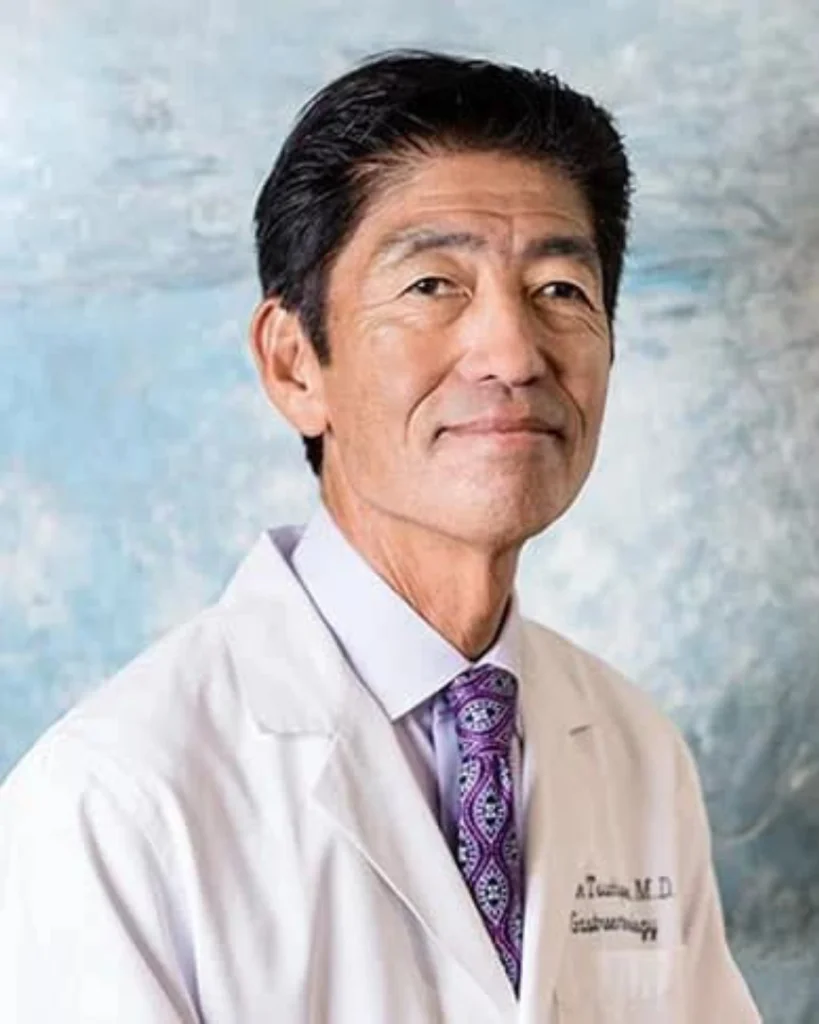
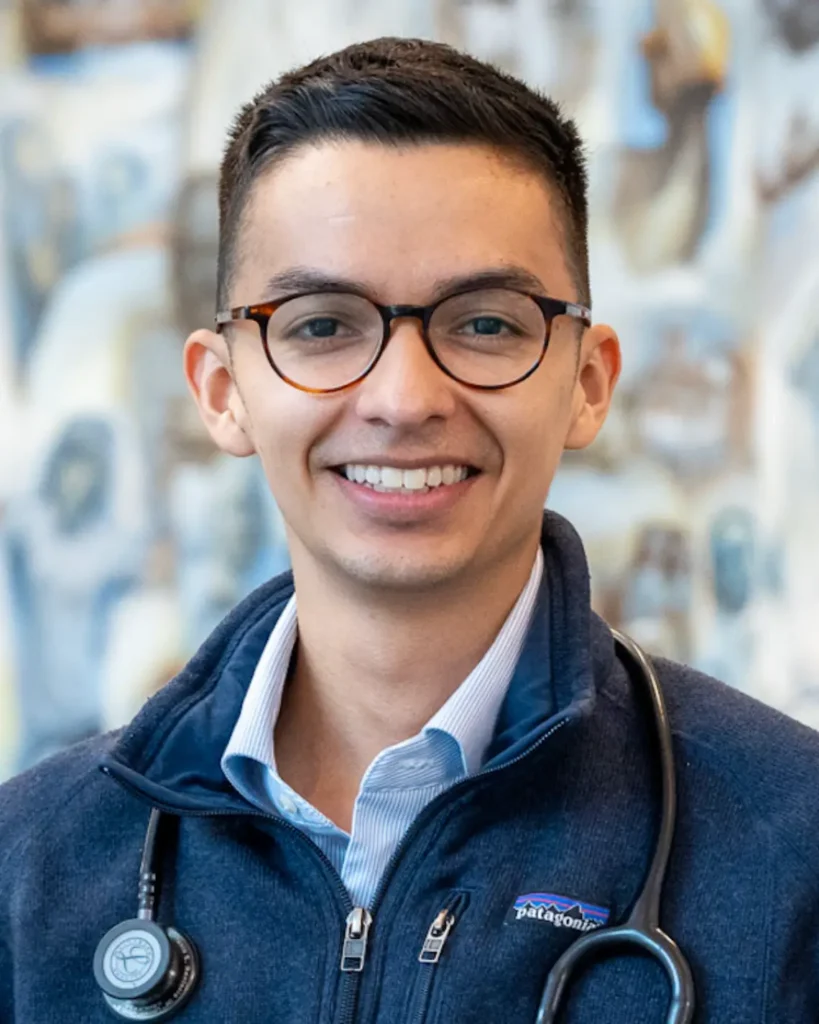
Board Certified
All providers meet the highest standards of care
Same-Week Appointments
Quick access to expert care when you need it
Local to Bay Area
Serving Daly City, San Francisco & surrounding areas
Our team uses advanced diagnostic tools and evidence-based treatments to help you find relief from reflux symptoms. We create personalized treatment plans that address your unique needs and concerns.
- Accepting New Patients
Expert EoE Treatment in Daly City & San Francisco
Stop struggling with painful swallowing and food getting stuck. As leading eosinophilic esophagitis specialists, we provide comprehensive care from diagnosis through long-term management.
- Dietary Elimination Guidance
- Esophageal Dilation
- Long-Term Monitoring
- Experienced EoE Doctors
- Advanced Biopsy Interpretation
- Newest Biologic Therapy
Center for Diabetes and Cardiometabolic Health | Daly City, CA