Endoscopy in Daly City, San Francisco
The Center for Diabetes and Cardiometabolic Health (CDCH) provides advanced endoscopy in Daly City and San Francisco. We use high-definition imaging to examine your digestive tract and help identify possible causes of your symptoms. Our team focuses on early detection, accurate diagnosis, and patient comfort at every stage.
What Does an Endoscopy Do?
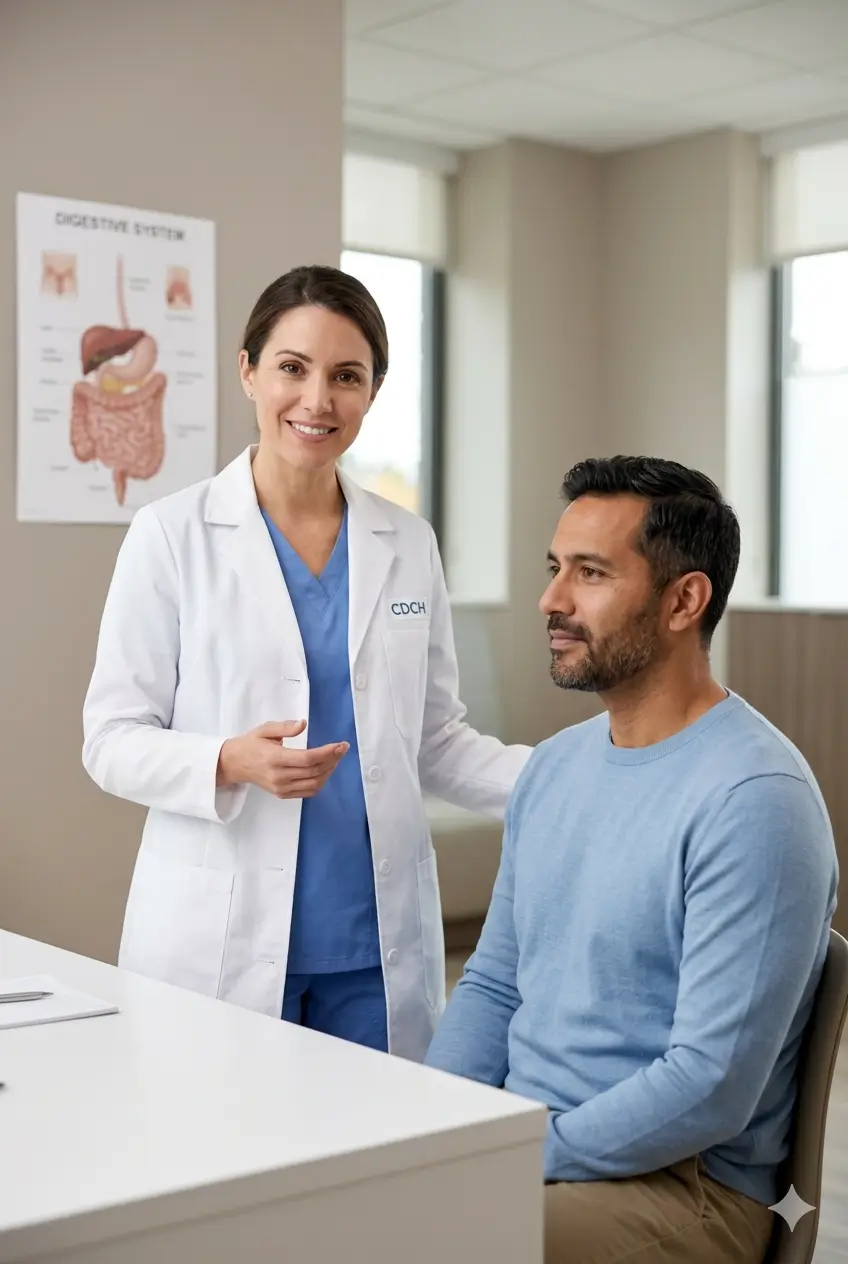
An endoscopy allows us to directly see inside your digestive system instead of relying only on scans or external tests.
During an Endoscopy, we use a thin, flexible tube with a camera to examine internal digestive structures in real time. It can provide detailed findings that may complement other diagnostic tests.
Unlike imaging tests, endoscopy lets us take biopsies or treat certain conditions during the same procedure. It makes it one of the most effective diagnostic tools in digestive healthcare today.
Endoscopy vs Colonoscopy
Endoscopy used to examine the inside of the body using a flexible camera. In digestive care, it often focuses on the upper gastrointestinal tract, including the esophagus, stomach, and duodenum. It helps evaluate conditions like GERD, ulcers, and inflammation, and may not detect all abnormalities in every case.
On the other hand, colonoscopy is a specific type of endoscopic procedure that examines the large intestine and rectum. It is mainly used for colorectal cancer screening, detecting polyps, identifying sources of bleeding, and evaluating chronic bowel symptoms.
Gastroscopy vs Endoscopy
Gastroscopy is a specific type of endoscopy that focuses only on the stomach. During this procedure, we examine the stomach lining to identify issues such as gastritis, ulcers, or abnormal growths. It is often used when patients have symptoms like persistent stomach pain, nausea, or unexplained indigestion.
Endoscopy is a wider term that includes gastroscopy as well, which examines different parts of the body. In digestive care, it commonly refers to upper GI endoscopy, which evaluates the esophagus, stomach, and duodenum together. This broader approach helps us evaluate the structure and condition of multiple parts of the digestive tract at the same time.
Who Should Consider an Endoscopy at CDCH?
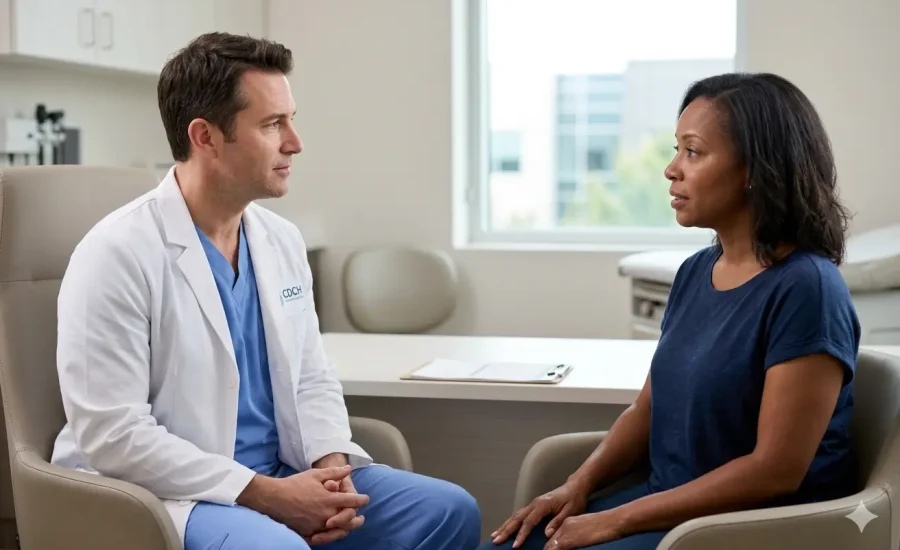
We recommend endoscopy for patients with persistent, unexplained, or treatment-resistant digestive symptoms. Patients who may be advised to undergo an endoscopy by a doctor include:
Patients with Persistent Digestive Symptoms
- Heartburn or acid reflux that persists despite prior treatment (consult a doctor)
- Upper abdominal pain, pressure, or ongoing discomfort
- Chronic nausea, vomiting, or unexplained bloating
- Difficulty swallowing or food feeling stuck in the throat
Patients with Concerning Test Results
- Unexplained iron deficiency or low hemoglobin levels
- Positive H. pylori test that needs biopsy confirmation
- Abnormal imaging results that need direct internal examination
- High inflammatory markers found alongside digestive symptoms
Patients with Known Digestive Conditions
- Family history of stomach or esophageal cancer
- Adults over 50 with new or worsening digestive symptoms (evaluation should be guided by a doctor)
- Patients whose doctor recommended a baseline digestive evaluation
- Anyone with unexplained weight loss or appetite changes
Patients seeking Preventive Digestive Screening
- Family history of stomach or esophageal cancer
- Adults over 50 with new or worsening digestive symptoms (evaluation should be guided by a doctor)
- Patients whose doctor recommended a baseline digestive evaluation
- Anyone with unexplained weight loss or appetite changes
What are Common Endoscopy Procedure Types?
Endoscopy involves many types, each of which has its own key evaluation areas of the digestive system. The common types include,
Upper Endoscopy (EGD)
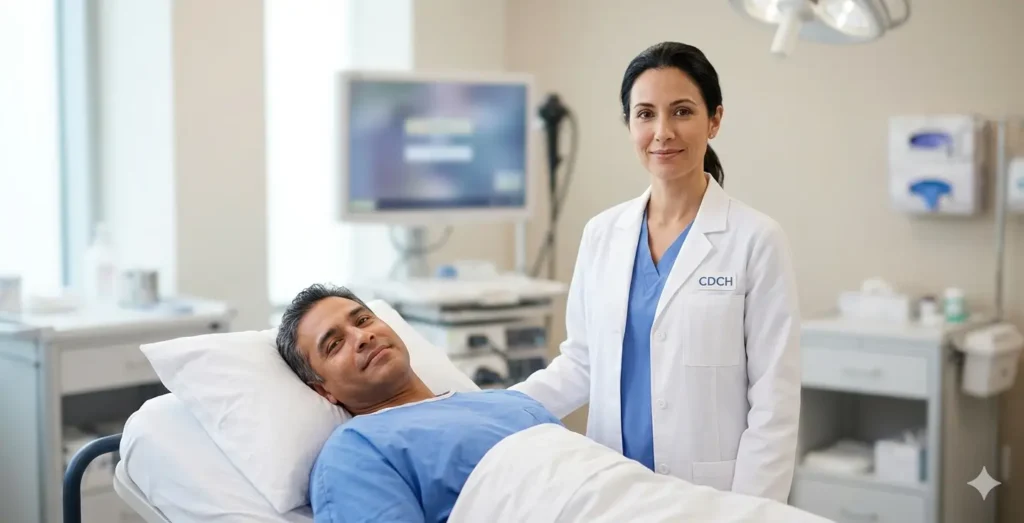
We also call this procedure EGD or esophagogastroduodenoscopy. It examines the esophagus, stomach, and upper small intestine. It is one of the most commonly performed endoscopic procedures. It is recommended for patients with heartburn, acid reflux, nausea, upper abdominal pain, or difficulty swallowing.
Diagnostic Endoscopy
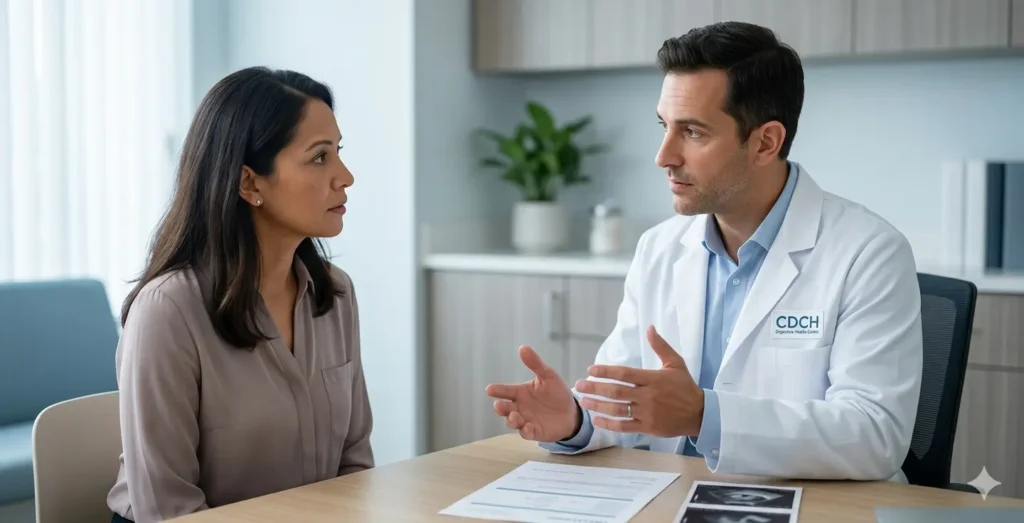
Diagnostic endoscopy used to find the cause of unexplained digestive symptoms. These include persistent abdominal pain, unexplained weight loss, and rectal bleeding. This type helps us identify conditions that blood tests and imaging scans alone cannot confirm.
Therapeutic Endoscopy
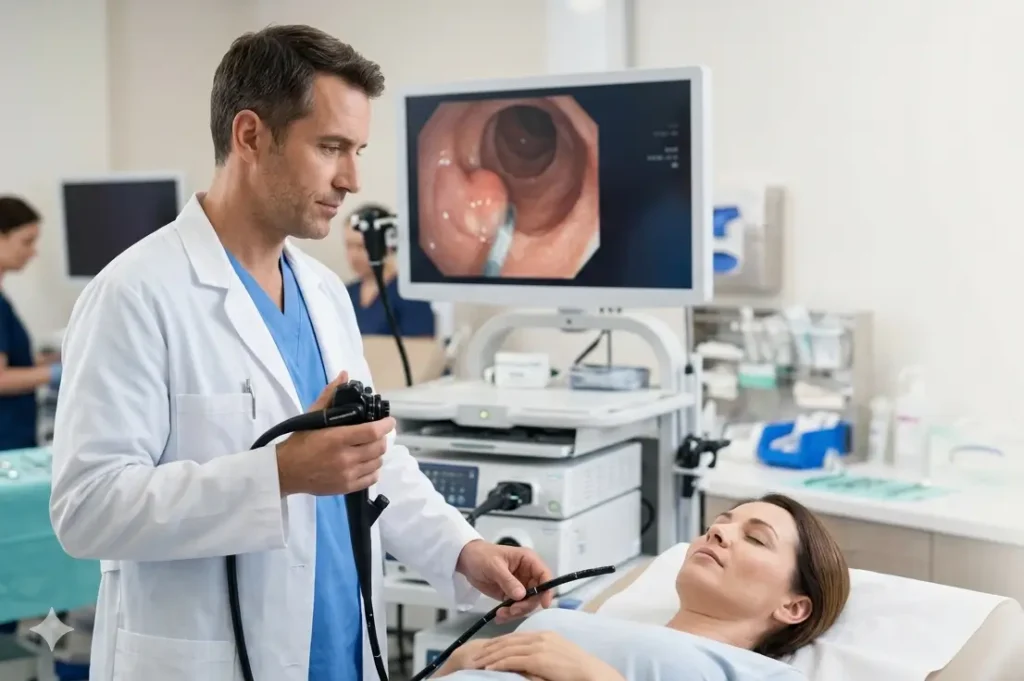
In certain cases, Therapeutic Endoscopy is used to treat digestive conditions directly during the procedure. This endoscopy is used to remove polyps, control active gastrointestinal bleeding, and dilate narrowed sections of the esophagus.
Gastroscopy
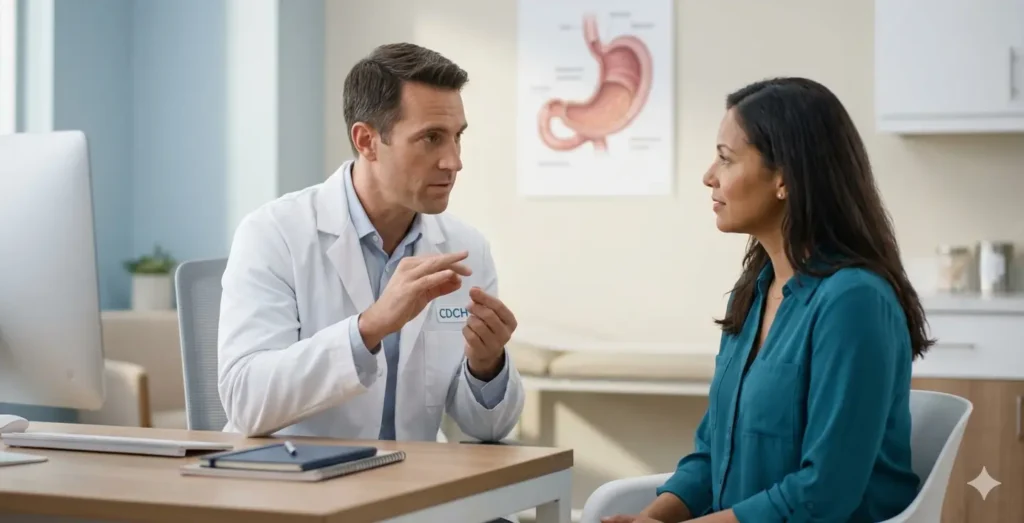
Gastroscopy allows us to examine the stomach lining specifically. It detects stomach ulcers, gastritis, and H. pylori-related stomach damage using this procedure. It targets the stomach directly rather than examining the full upper digestive tract from the esophagus to the duodenum.
Our Services for Endoscopy in Daly City, San Francisco
At CDCH, we perform a range of endoscopy procedures based on your symptoms and clinical needs. We use each service to guide a focused care plan that supports the management of your digestive health over time
Upper GI Endoscopy and EGD
We examine your esophagus, stomach, and upper small intestine using advanced high-definition imaging. Our team identifies inflammation, ulcers, acid damage, bleeding, and early cancerous changes.
Endoscopic Biopsy
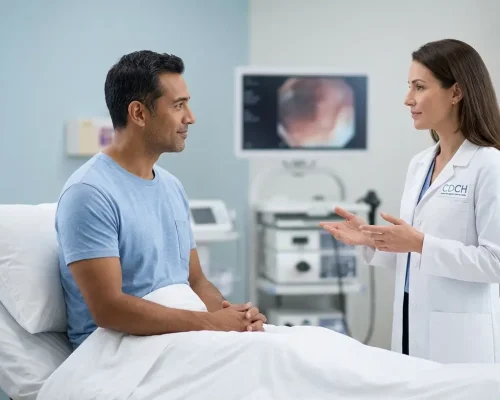
We collect small tissue samples from any abnormal or suspicious areas we find during your endoscopy. Our team sends biopsy samples to a laboratory right away. We follow up with you as soon as the results arrive to discuss findings and treatment options clearly and simply.
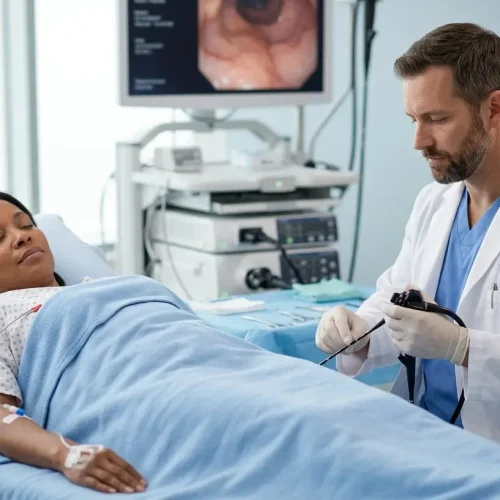
GERD and Acid Reflux Evaluation
We assess your esophagus and stomach lining for signs of chronic acid damage and reflux complications. This evaluation helps assess GERD and its potential severity. We then guide the most appropriate and effective treatment plan for your specific condition.
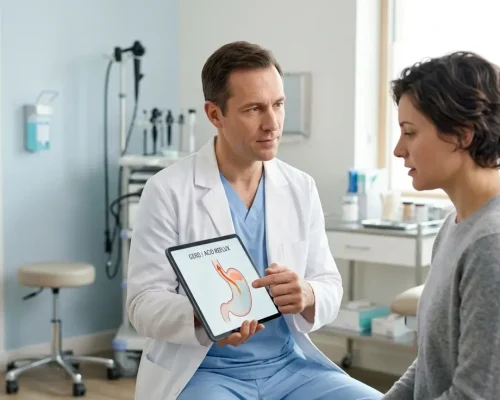
Barrett's Esophagus Surveillance
Our team performs surveillance endoscopies for patients with a confirmed or suspected history of Barrett’s esophagus. Our team monitors tissue changes over time. We act early if precancerous changes are detected during your scheduled surveillance appointment at CDCH.
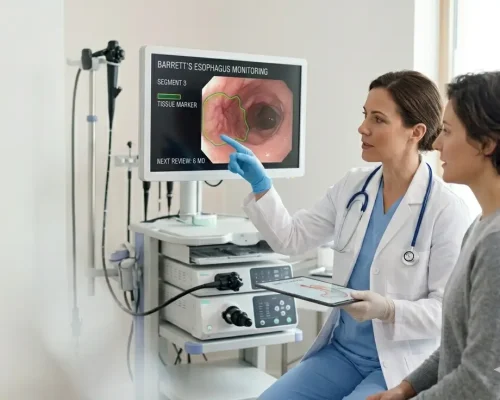
H. Pylori Detection and Biopsy
We perform targeted biopsies during endoscopy to confirm H. pylori infection. This common stomach infection can cause ulcers, gastritis, and chronic digestive discomfort. Our findings guide your treatment plan and help guide appropriate management of the infection.
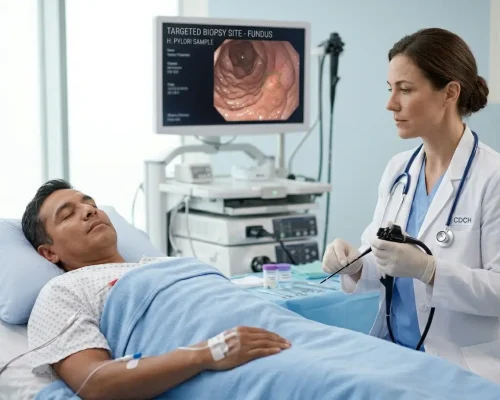
Endoscopic Treatment and Polyp Removal
Our specialists treat certain conditions directly during your endoscopy procedure. It includes removing polyps, stopping bleeding, and dilating narrowed areas of the esophagus.
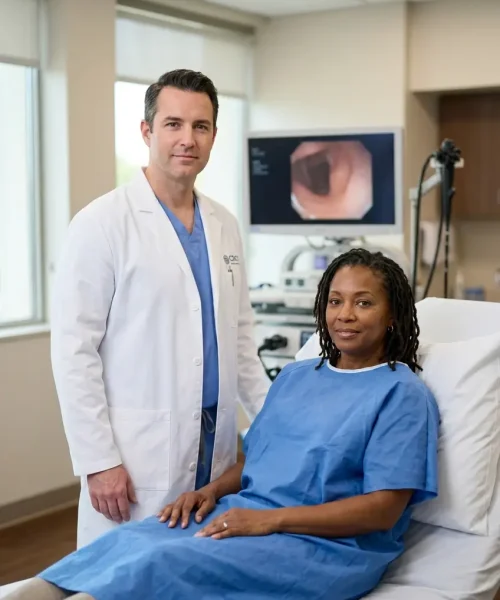
Nutrition and Digestive Health Counseling
Our doctors also provide practical nutrition guidance alongside your endoscopy findings. Our team helps you identify food triggers, improve eating habits, and build a meal plan. These steps reduce your symptoms and support your long-term digestive and metabolic wellness.

Endoscopy Procedure Preparation
Our team gives you clear and simple instructions tailored to your specific health profile before your appointment, which improves the accuracy of your results and reduces the risk of complications. Especially if you have conditions like diabetes or take regular medications
Before Your Procedure
- Avoid food for 8 hours and liquids 4 hours before your appointment, or as instructed by your doctor
- Do not smoke on the day of your endoscopy procedure
- Wear loose and comfortable clothing for your visit to our clinic
After Your Procedure
Endoscopy procedure recovery is generally quick for many patients, though experiences may vary. You can go home the same day. Seek medical care if you experience severe pain, fever, or bleeding.
After your procedure, you may notice:
- Mild throat soreness that fades within one to two days
- Temporary bloating or light cramping in the hours after the procedure
- Mild drowsiness from sedation that clears within a few hours of leaving our clinic
We recommend starting with soft foods and light fluids for the rest of the day after your endoscopy. Avoid alcohol, driving, and strenuous activity until sedation has fully worn off, following your doctor’s instructions.
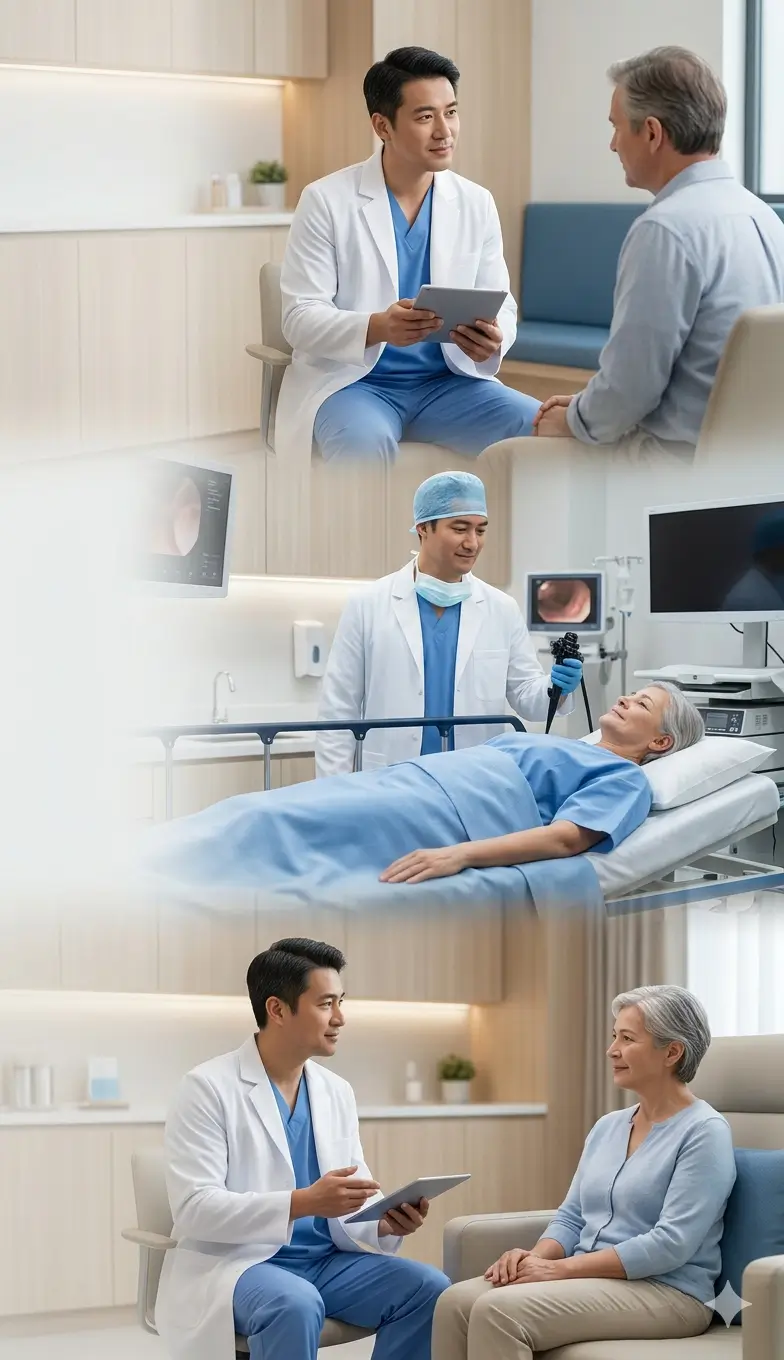
How We Perform Endoscopy
At CDCH, we want every patient to feel as comfortable as possible at every stage of their endoscopy appointment at our Daly City clinic. Our endoscopy process is as follows,
Step 1: Medical Review and Symptom Assessment
Our team reviews your symptoms, medical history, and previous test results in detail. We use this information to confirm that endoscopy is the right diagnostic approach for your specific health needs. This step shapes everything that follows in your care plan.
Step 2: Personalized Endoscopy Preparation Plan
We provide clear and simple endoscopy procedure preparation instructions based on your individual health profile. Our team walks you through fasting requirements and medication adjustments. We make sure you are fully ready for a safe and accurate procedure on the day of your appointment.
Step 3: Comfortable Procedure Setup
We position you comfortably on the procedure table and apply a numbing spray to your throat. We place an IV line and give you a mild sedative. You stay relaxed and completely at ease throughout the entire examination at our clinic.
Step 4: Real-Time Examination and Diagnosis
Our specialist gently inserts the endoscope through your mouth into your esophagus, stomach, and duodenum. High definition images appear on a monitor in real time. Our team examines every area carefully and identifies any abnormalities, inflammation, or structural problems present during your procedure.
Step 5: Biopsy or Treatment During the Procedure
If we find abnormal tissue or suspicious areas, we collect a biopsy sample or treat the problem right away. It happens during the same appointment. Additional procedures or follow-up visits may be required depending on findings. Biopsy results may take several days.
Step 6: Recovery and Discussion of Initial Findings
The procedure typically takes 15 to 45 minutes. Most patients remain relaxed as sedation wears off safely. Our physician then walks you through the initial findings clearly before you leave our Daly City clinic. We explain what they mean for your health and outline your next steps.
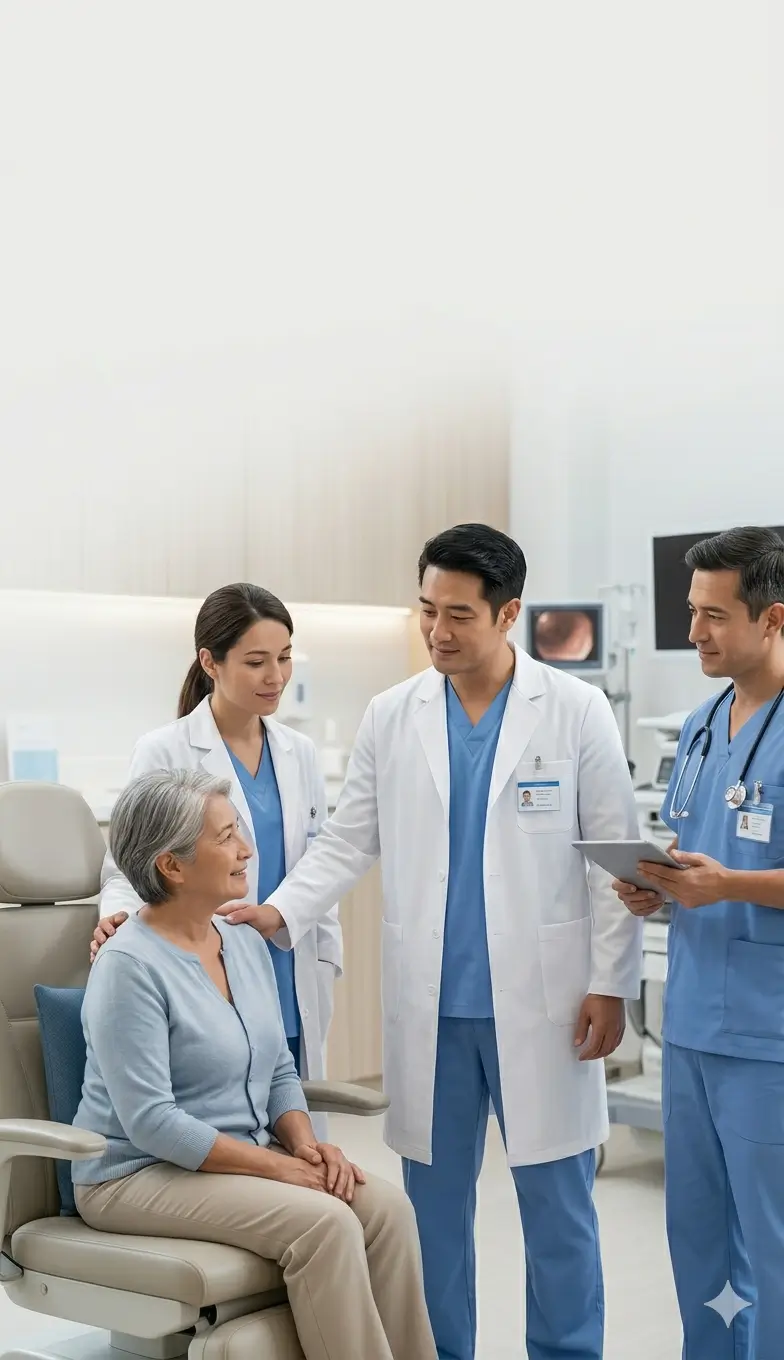
Why Patients Choose CDCH for Endoscopy
At CDCH, we offer multiple endoscopic evaluations and shape each one around your symptoms and clinical needs. Our team uses plans that support both diagnosis and long-term digestive health management. We use high-definition imaging to support accurate diagnosis.
Nutrition and Digestive Health Counseling
- We ensure patient comfort with sedation and monitoring
- Our doctors offer clear communication and follow-up guidance
- We connect digestive health with overall cardiometabolic care
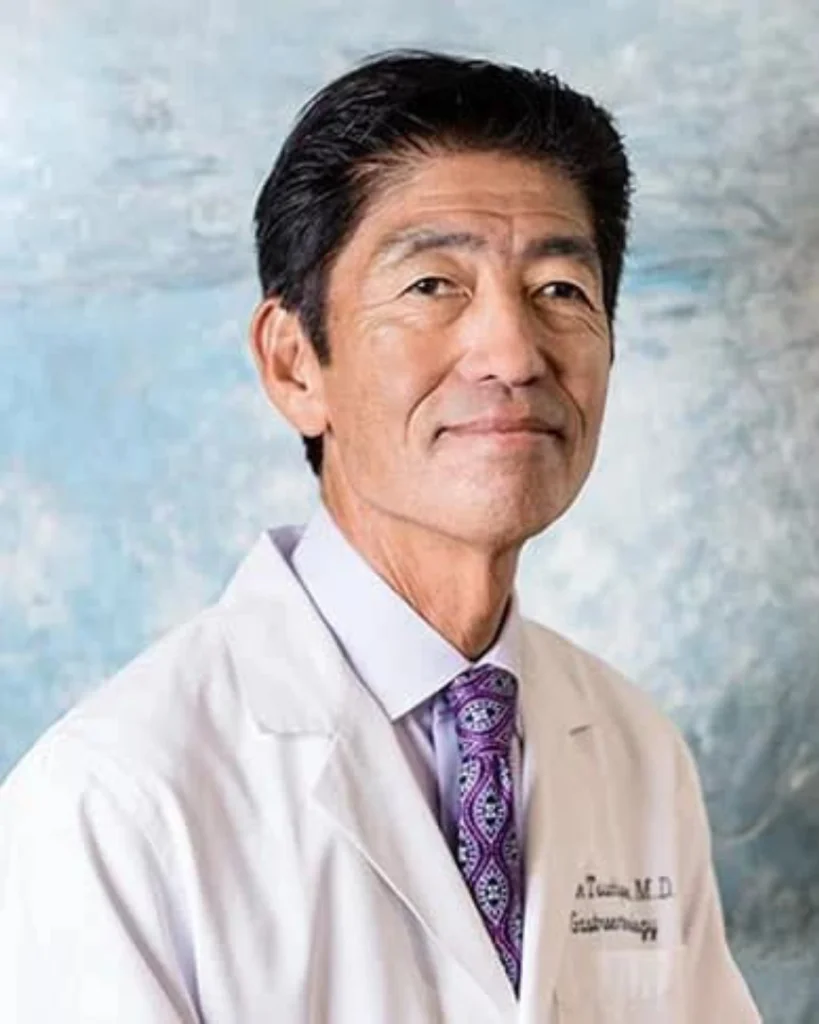
Meet Our Expert Team
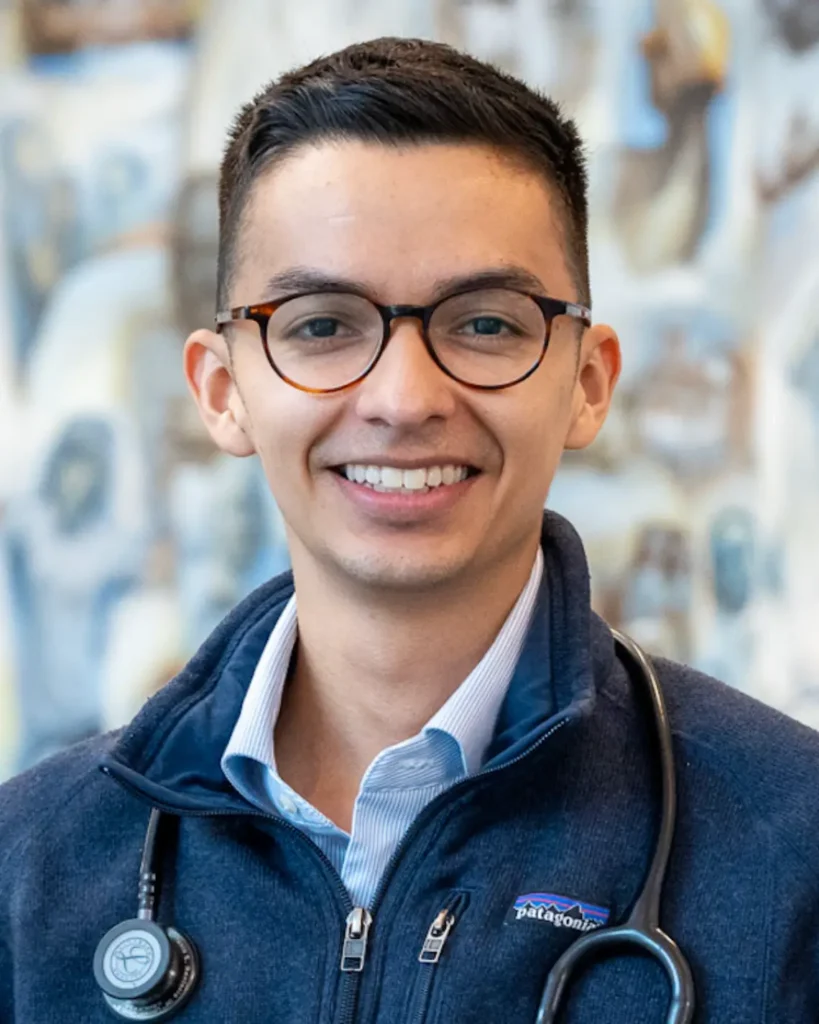
Know our specialists who bring years of experience in diagnostic and therapeutic endoscopy. We focus on precision, safety, and patient-centered care at every step.
Board Certified
All providers meet the highest standards of care
Same-Week Appointments
Quick access to expert care when you need it
Local to Bay Area
Serving Daly City, San Francisco & surrounding areas
Endoscopy Services Near You in Daly City, San Francisco
If you are looking for a San Francisco endoscopy center or gastroenterologist in Daly City near you, Our Daly City clinic offers convenient access for patients across the Bay Area. We provide timely appointments, a comfortable environment, and complete support from consultation to recovery.
Frequently Asked Questions About Endoscopy

Endoscopy provides real-time visualization of the lining of the esophagus, stomach, and intestines. Unlike imaging tests such as X-rays or CT scans. It means we can identify small abnormalities more accurately with endoscopy.
Depending on the clinical context and additional testing. Our team may help detect or evaluate conditions such as ulcers, gastritis, acid reflux damage, H. pylori infection, Barrett's esophagus, celiac disease, gastrointestinal bleeding, and early-stage cancers of the esophagus and stomach.
An endoscopy typically takes about 15 to 45 minutes, though total visit time may be longer. Your full visit to CDCH also includes preparation, sedation, and a recovery period. Plan for a total appointment of approximately one to two hours at our Daly City clinic when scheduling your endoscopy.
In EGD vs endoscopy terms, EGD refers specifically to esophagogastroduodenoscopy. It examines the esophagus, stomach, and duodenum together. Endoscopy is the broader term that covers multiple types of internal camera-guided diagnostic procedures used across different areas of the digestive system.
Endoscopy procedure preparation includes avoiding food and drink for 6 to 8 hours before your appointment, or as directed by your doctor. You may also need to adjust certain medications based on your health profile. Our team provides detailed and personalized preparation instructions before your procedure to ensure safe and accurate results every time.
Yes. We accept Medicare, Cigna, Fidelis Care, Beacon, and Carelon. Our team verifies your benefits before your appointment. We explain your coverage and payment options clearly so you face no surprises on the day of your endoscopy procedure at our Daly City clinic.
Persistent digestive symptoms deserve attention; early evaluation may support better health outcomes.
- Same-week appointments available
- Board-Certified Specialists
- Personalized Treatment Plans