Ulcerative Colitis Treatment in Daly City, San Francisco
he Center for Diabetes and Metabolic Health (CDCH) offers thorough evaluation and personalized ulcerative colitis treatment in Daly City, San Francisco. Our team brings together digestive health knowledge and metabolic care experience. We listen carefully to your symptoms and build a plan around your specific flare pattern, not a generic, one-size-fits-all routine.
What Is Ulcerative Colitis?
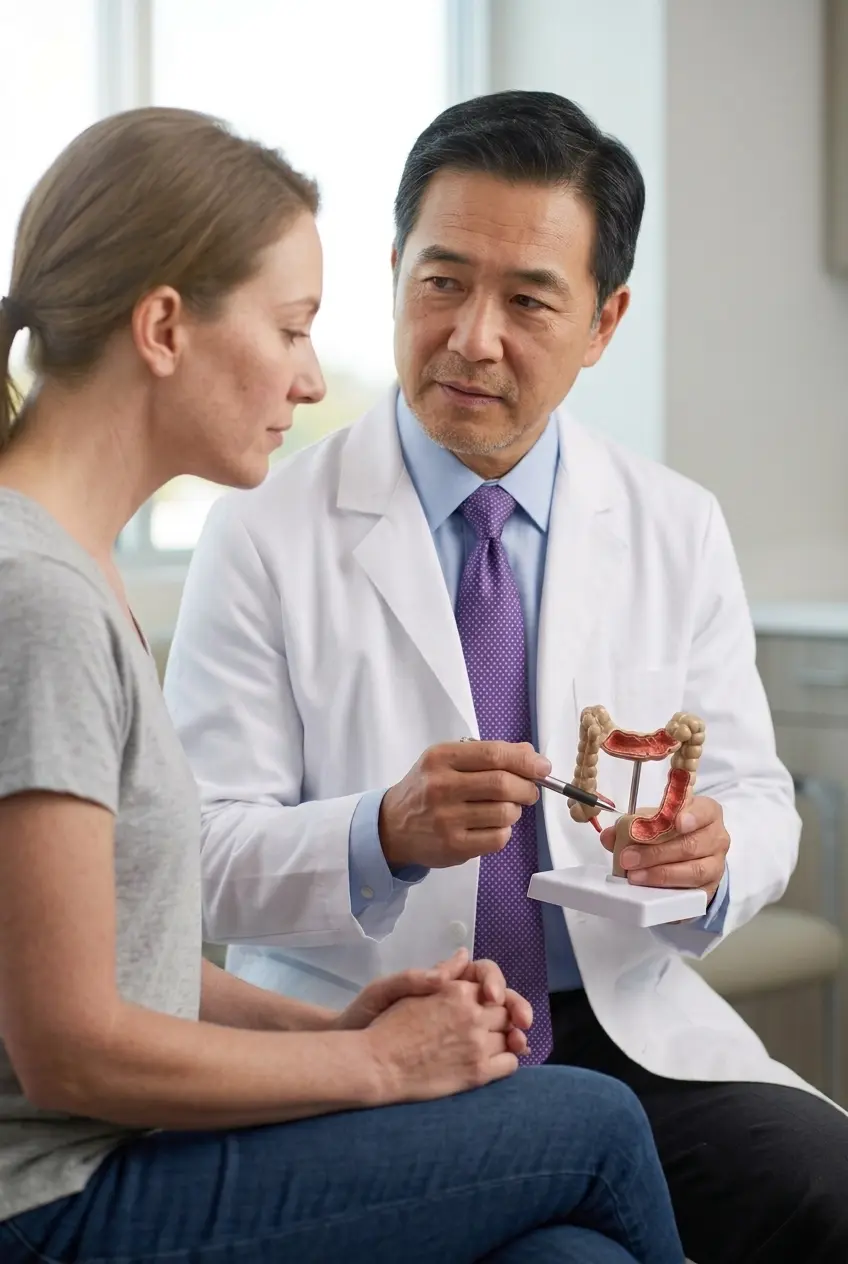
Ulcerative colitis is a long-term condition that causes swelling in the inner lining of the colon and rectum. Unlike some digestive conditions that show up in scattered spots, ulcerative colitis spreads in one continuous stretch. It usually begins in the rectum and can move further up the colon over time.
The swelling stays close to the surface lining rather than going deep into the bowel wall. This surface-level pattern shapes both the symptoms patients feel and the way doctors approach treatment.
Like many ongoing gut conditions, ulcerative colitis goes through active flares and quieter periods of remission.
Symptom Checker
Ulcerative Colitis Symptoms
Ulcerative colitis symptoms tend to center on the colon and rectum. Symptoms can vary significantly based on disease activity, hormonal changes, and age.
Early & Common Signs
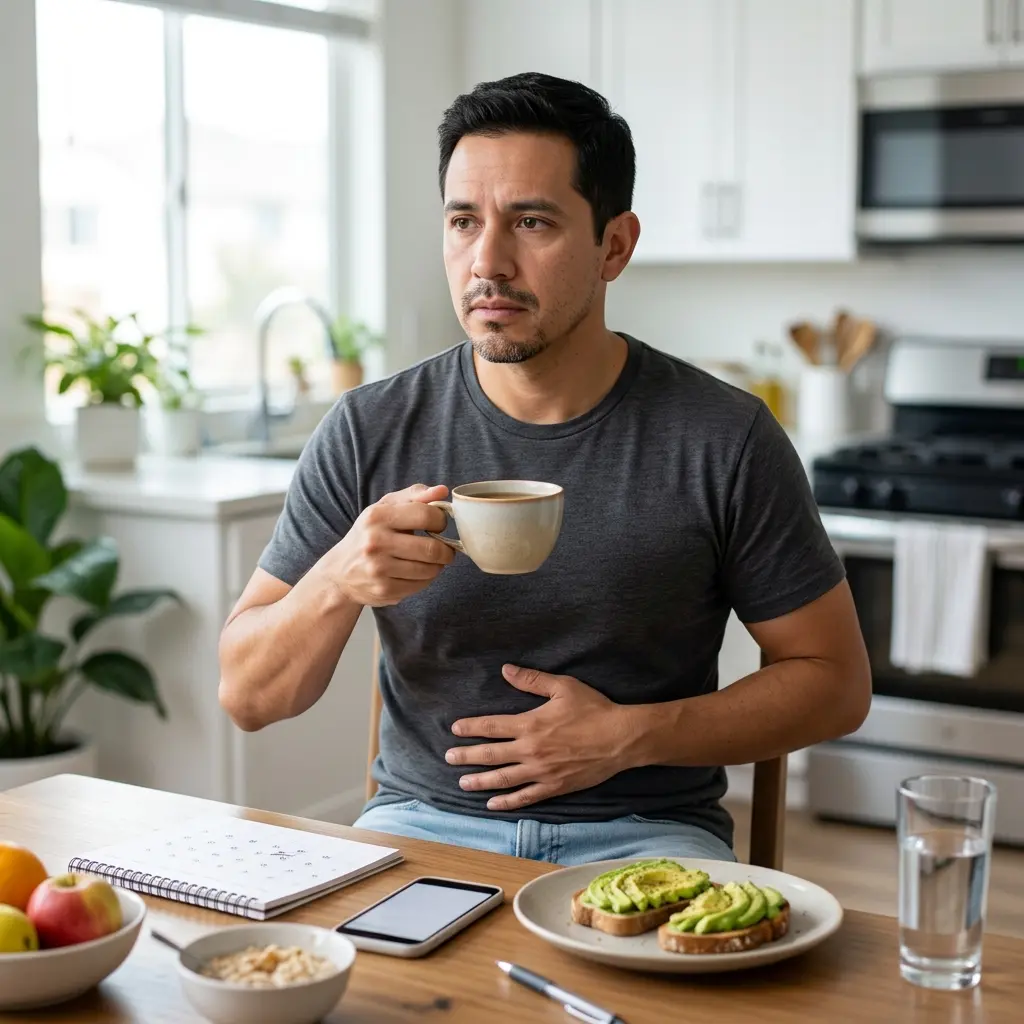
Catching the condition early often starts with noticing small changes that seem easy to ignore. These signs can come and go for weeks before becoming steady. Many people dismiss these early clues as a passing stomach bug.
- Mild urgency to use the bathroom
- Faint cramping low in the belly
- A constant feeling of needing to pass stool
- Mild fever during flares
- Occasional loose stools
- Frequent, urgent diarrhea
- Fatigue and reduced appetite
- Unintended weight loss over time

Symptoms in Females
Ulcerative colitis symptoms in females may shift with hormonal changes, particularly during the menstrual cycle, pregnancy, and the postpartum period. While the condition causes many of the same digestive symptoms seen in men, some women notice symptom flare-ups at certain times due to hormonal changes.
- Abdominal pain or cramping
- Rectal bleeding or bloody stools
- Pelvic discomfort
- Nighttime bowel movements
- Diarrhea or urgent bowel movements
- Bloating and fatigue
- Increased bowel frequency
- Symptoms that worsen around the menstrual cycle

Symptoms in Females
Ulcerative colitis symptoms in females may shift with hormonal changes, particularly during the menstrual cycle, pregnancy, and the postpartum period. While the condition causes many of the same digestive symptoms seen in men, some women notice symptom flare-ups at certain times due to hormonal changes.
- Abdominal pain or cramping
- Rectal bleeding or bloody stools
- Pelvic discomfort
- Nighttime bowel movements
- Diarrhea or urgent bowel movements
- Bloating and fatigue
- Increased bowel frequency
- Symptoms that worsen around the menstrual cycle

Flare Up Symptoms & Blood in Stool
A flare feels different from everyday symptoms. Ulcerative colitis flare up symptoms often include a sudden rise in bathroom visits, sharper cramping, and a stronger sense of urgency that can be hard to predict. Some flares build slowly over several days, while others come on within hours. Recognizing the early pattern of a flare allows treatment to begin sooner, which often shortens how long it lasts.
- Blood in Stool
Noticing blood can be alarming, but it is a common sign of this condition. Ulcerative colitis blood in stool happens because swelling breaks down the surface lining of the colon, causing small areas to bleed. Blood may appear bright red or mixed into loose stool. Any new or increasing blood in the stool deserves prompt medical attention, since it often signals that a flare needs active treatment.

Other Important Presentations
Pediatric Ulcerative Colitis
Pediatric ulcerative colitis can show up with growth delays alongside the usual digestive symptoms. Children may have less noticeable abdominal pain but more fatigue, irritability, or reduced interest in eating. Because nutrition directly affects growth during childhood, pediatric cases need close monitoring from a team experienced in adjusting treatment as a child develops.
Ulcerative Colitis Rash
Skin changes sometimes appear alongside digestive symptoms. An ulcerative colitis rash can show up as tender red bumps on the shins, known as erythema nodosum, or as painful skin sores in more serious cases. These skin changes often follow gut inflammation closely, meaning they tend to improve once the underlying flare is brought under control.
- Differential Diagnosis
Ulcerative Colitis vs Crohn's
A side-by-side view makes the ulcerative colitis vs Crohn’s comparison easier to follow:
| Feature | Ulcerative Colitis | Crohn's Disease |
|---|---|---|
|
Location |
Colon and rectum only |
Any part of digestive tract |
|
Pattern |
Continuous inflammation |
Patchy, skips healthy areas |
|
Depth |
Surface lining only |
Deep into bowel wall |
|
Bleeding |
Common and often visible |
Less frequent, more hidden |
|
Complications |
Severe bleeding, colon removal risk |
Fistulas, strictures |
An endoscopic exam remains the most reliable way to tell the two conditions apart.
How Is Ulcerative Colitis Diagnosed at CDCH?
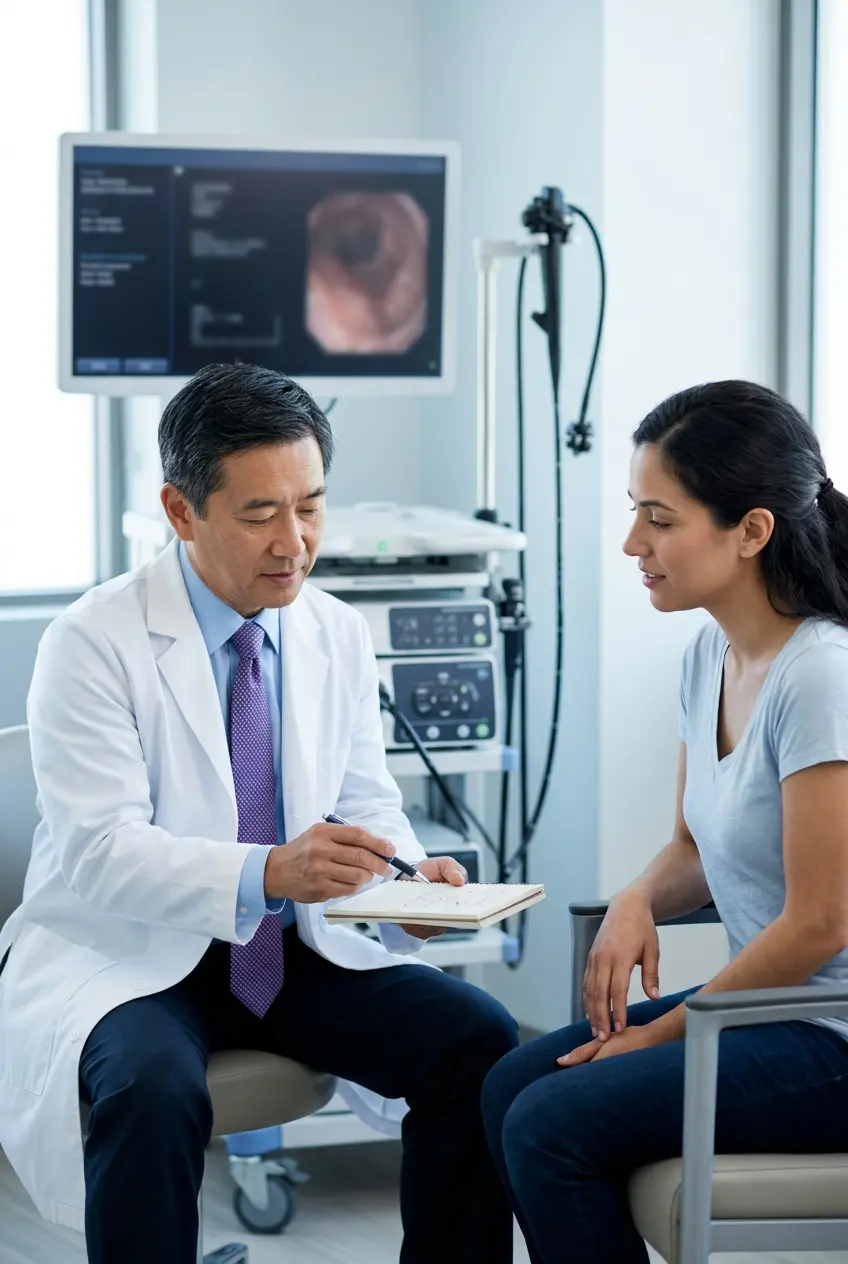
Working with an experienced ulcerative colitis specialist near Daly City ensures your diagnosis is accurate from the start. At CDCH, we follow a clear, step-by-step process for every patient.
Step 1: Detailed symptom and history review
We ask about your bathroom habits, pain pattern, family history, and any other health conditions. This gives us a full picture before any testing begins.
Step 2: Physical examination
Our specialist checks your abdomen for tenderness and looks for outside signs that often come with active inflammation, such as skin or joint changes.
Step 3: Lab testing
Blood work checks for anemia and inflammation markers. Stool testing rules out infection and measures inflammation directly in the gut.
Step 4: Colonoscopy with biopsy
A colonoscopy lets our specialist view the colon lining directly. Small tissue samples are taken during the same procedure to confirm the diagnosis under a microscope.
Step 5: Severity and extent mapping
We determine how much of the colon is affected and how active the inflammation is. This step shapes which treatments are most likely to help.
Step 6: Results and personalized care plan
We sit down with you and explain every result in plain, easy-to-understand language. We walk you through what your findings mean, what your options are, and what your next steps will be.
Comprehensive Care
Our Ulcerative Colitis Treatments in Daly City, San Francisco
At CDCH, we build care plans around your flare pattern, disease extent, and daily life.

Medication Management
We use anti-inflammatory medication, immune system modifiers, or targeted biologic therapy depending on how active and widespread the inflammation is.
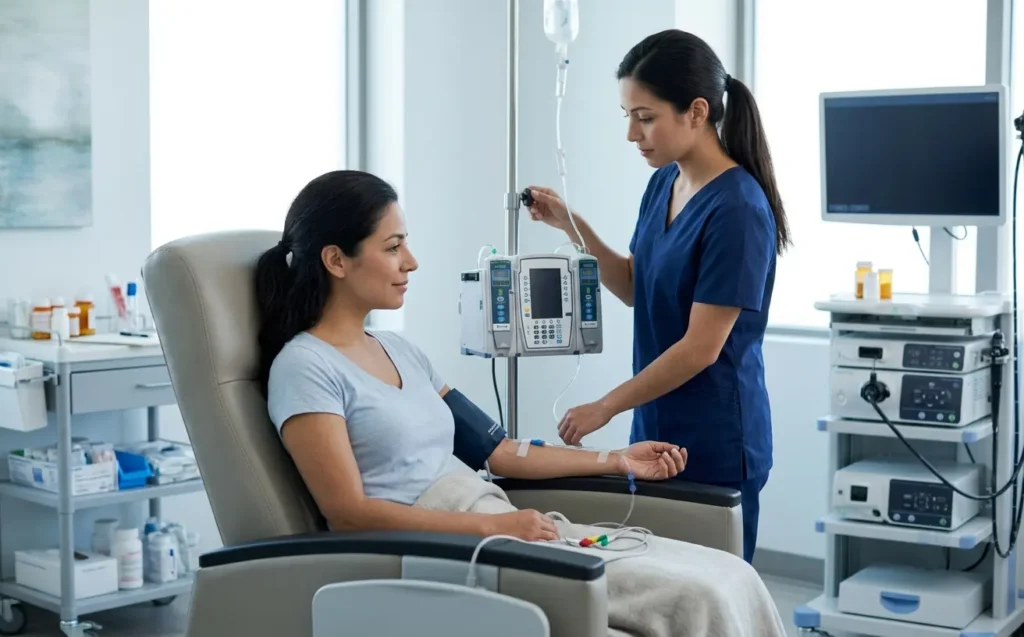
Ulcerative Colitis Infusion Treatment
Ulcerative colitis infusion treatment delivers biologic medication through an IV for patients who need stronger, faster control than oral medication alone can provide. Infusions follow a set schedule, and we track your response closely to fine-tune dosing over time.

Ulcerative Colitis Surgery Coordination
Ulcerative colitis surgery becomes an option for severe or treatment-resistant cases, particularly when there is a risk of serious complications. We arrange referrals to trusted surgical teams and stay closely involved before and after the procedure.

Nutrition and Diet Counseling
We build practical eating guidance that eases flare symptoms and supports healing during quieter periods. We track disease activity over time and act quickly when early flare signs appear, aiming to shorten flares before they get worse.
Diet and Meal Planning for Ulcerative Colitis
A steady ulcerative colitis diet plan can ease symptoms, though needs shift between flares and remission. During flares, low-fiber, easily digested foods tend to sit better. During remission, many patients can handle a wider, more balanced range of foods. Staying hydrated matters throughout, especially when diarrhea is frequent.
Diet During Flares vs Remission
During flares, stick to soft, bland, and low-fiber foods that require less work from your digestive system. During remission, slowly reintroduce whole grains, cooked vegetables, and varied proteins to ensure you receive adequate nutrition and maintain a balanced diet.
Foods to Avoid With Ulcerative Colitis
Certain foods tend to make symptoms worse for many patients. Common foods to avoid include:
- Raw, high-fiber vegetables (during flares)
- Carbonated drinks
- Caffeinated beverages
- Spicy foods
- Alcohol
- High sugar or heavy fried foods
7-Day Meal Plan for Ulcerative Colitis
This plan uses gentle, low-residue foods spread across small, frequent meals. It’s meant as a general starting point during flares, adjust portions and swap out anything that doesn’t sit well for you.
Day 1
Breakfast: Cooked oatmeal (made with water or lactose-free milk), small ripe banana
Snack: Smooth applesauce
Lunch: White rice with baked, skinless chicken breast
Snack: Plain saltine crackers
Dinner: Well-cooked carrots and mashed potatoes with baked white fish
Day 2
Breakfast: Cream of wheat, small amount of honey
Snack: Ripe banana
Lunch: Smooth carrot-ginger soup with white toast
Snack: Rice cakes
Dinner: Plain white pasta with olive oil and ground turkey
Day 3
Breakfast: Scrambled eggs, white toast
Snack: Peeled, cooked pear
Lunch: White rice with poached chicken and well-cooked green beans
Snack: Plain low-fat yogurt (if tolerated)
Dinner: Mashed sweet potato with baked cod
Day 4
Breakfast: Oatmeal with a few slices of ripe banana
Snack: Smooth melon puree or cantaloupe
Lunch: Chicken and rice soup (well-cooked, shredded chicken)
Snack: Plain crackers
Dinner: Baked chicken breast with mashed potatoes and pureed squash
Day 5
Breakfast: Cream of rice cereal
Snack: Applesauce
Lunch: White rice with tofu or baked white fish
Snack: Ripe banana
Dinner: Well-cooked zucchini and carrots with ground turkey over white rice
Day 6
Breakfast: Scrambled eggs, plain white toast
Snack: Rice cakes
Lunch: Smooth pumpkin or butternut squash soup
Snack: Peeled, cooked apple
Dinner: Baked chicken with mashed potatoes
Day 7
Breakfast: Oatmeal with honey
Snack: Banana
Lunch: White rice with poached fish and well-cooked spinach
Snack: Plain yogurt or crackers
Dinner: Ground turkey with white pasta and olive oil
Diet During Flares vs Remission
- Stick to refined grains (white rice, white bread, white pasta) over whole grains during flares
- Keep fruits and vegetables peeled, seedless, and well-cooked
- Choose lean, tender proteins — baked, poached, or boiled rather than fried
- Limit nuts, seeds, raw produce, and legumes, which are harder to digest when the gut is inflamed
Patient Profile
Who Should Seek Ulcerative Colitis Evaluation at CDCH?
You don’t have to wait for symptoms to become serious before getting checked. Early evaluation often leads to simpler treatment and fewer complications down the road.
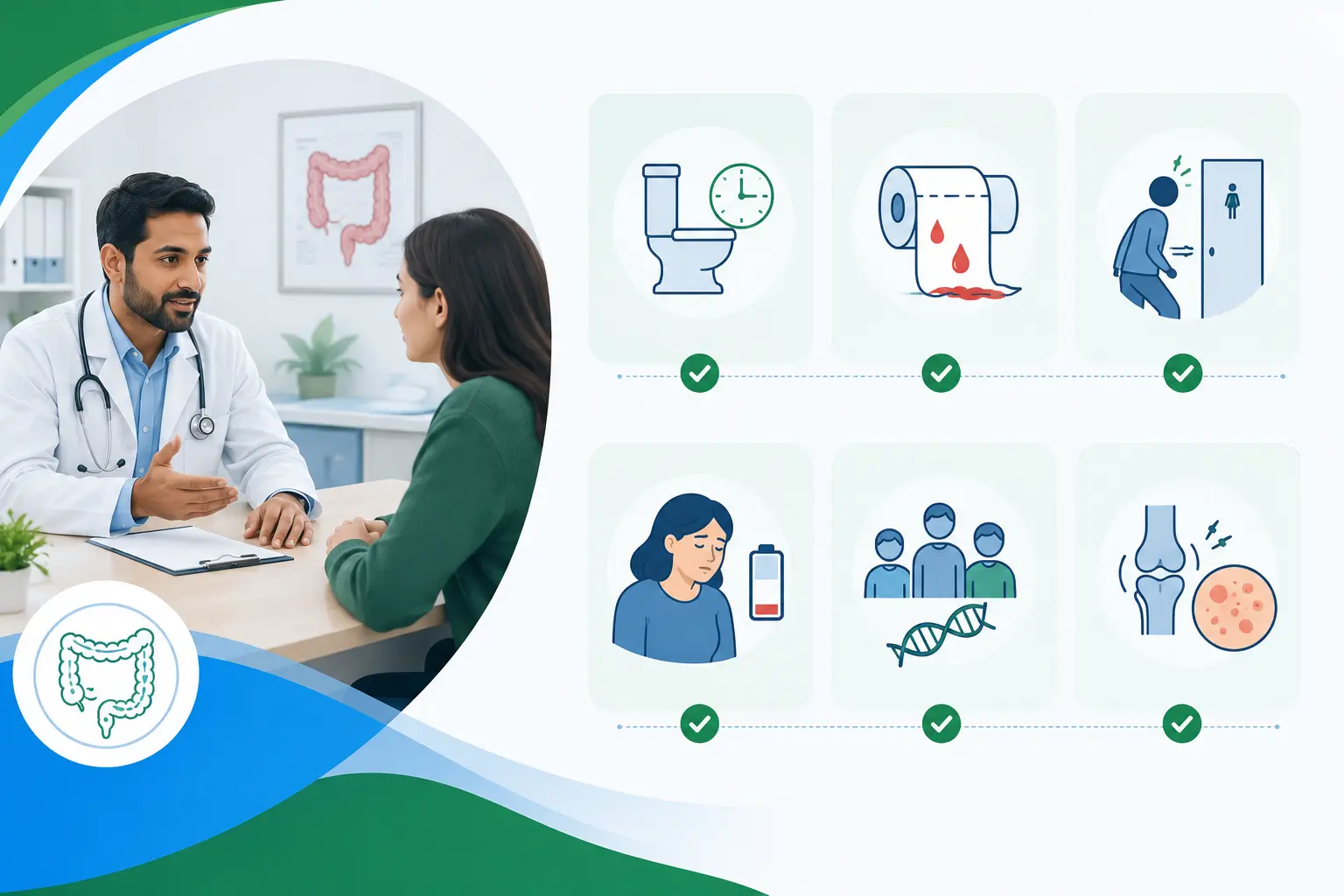
We recommend an evaluation for patients who:
- Have diarrhea lasting more than two weeks
- Notice blood or mucus in their stool
- Feel persistent urgency to use the bathroom
- Have ongoing fatigue alongside digestive symptoms
- Have a family history of ulcerative colitis or related bowel conditions
- Notice new joint pain or skin changes alongside gut symptoms

Why Choose CDCH for Ulcerative Colitis Treatment in Daly City, San Francisco?
Working with a dedicated digestive health team means your full health picture gets attention, not just isolated symptoms. At CDCH, we look at inflammation, nutrition, and lifestyle together.
- We diagnose ulcerative colitis using lab testing and colonoscopy with biopsy
- Our team offers medication management, including infusion therapy coordination
- We provide practical nutrition guidance built around your flare pattern
- Our experts arrange surgical referrals when needed and stay involved afterward
- We monitor disease activity closely to catch flares early
- Our team accepts Medicare, Cigna, Fidelis Care, Beacon, and Carelon
- Same-week appointments are available for patients who need timely care
Meet Our Experts
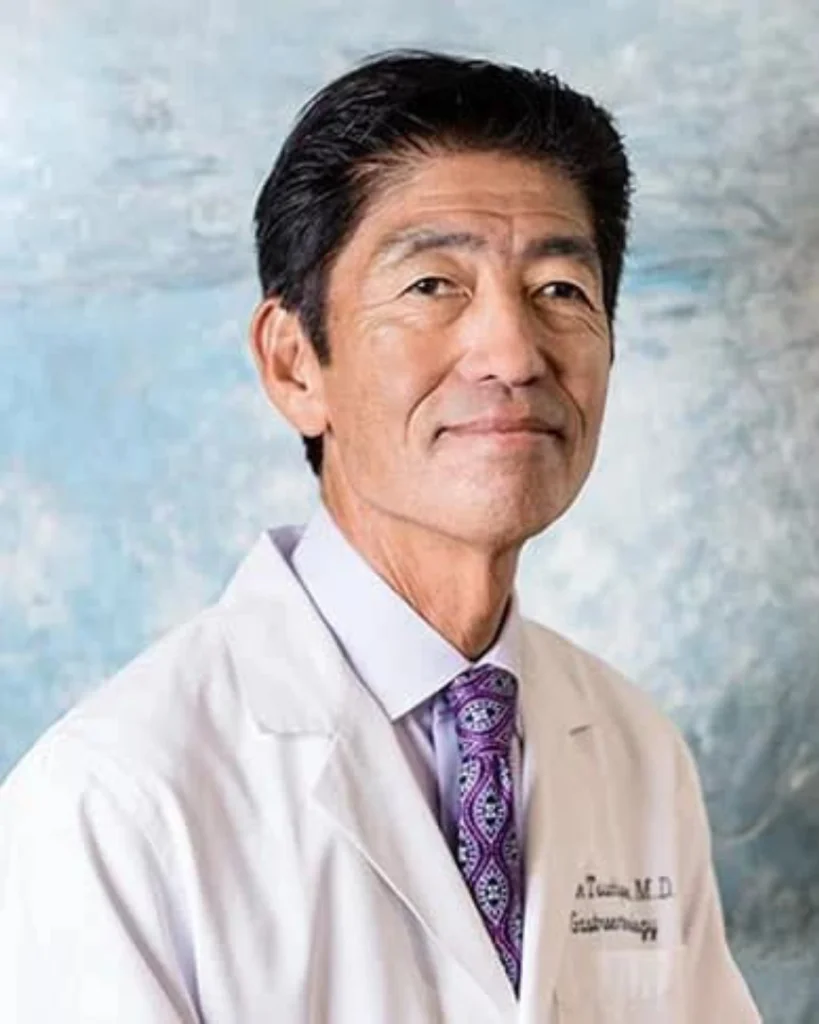
Every patient at CDCH gets one-on-one time with a physician at each visit. We don't rush consultations. We take the time to go over your results, answer your questions, and make sure you fully understand your care plan before you leave. Our team provides steady, attentive care for a condition that can otherwise feel unpredictable.

Board-Certified
All providers meet the highest standards of care
Same-Week Appointments
Quick access to expert care when you need it
Local to Bay Area
Serving Daly City, San Francisco & surrounding areas
Convenient Ulcerative Colitis Treatment in Daly City, San Francisco
Finding quality digestive care shouldn’t mean traveling far or waiting weeks for an appointment. CDCH is conveniently located in Daly City, with easy access for patients across the Bay Area. Our clinic arranges lab work, colonoscopy referrals, and follow-up care quickly. You do not need a referral to book an evaluation.
FAQs About Ulcerative Colitis

There is no permanent cure outside of full colon removal. However, medication can control inflammation effectively and lead to long stretches of remission.
Genetics play a role, and having a close relative with the condition raises personal risk. Most cases still result from a mix of genetic and environmental factors together.
Stress does not cause the condition itself, but it can trigger or worsen a flare in someone who already has it.
No. Ulcerative colitis cannot spread between people. It develops from the immune system and genetic factors, not from infection.
Yes, long-standing, widespread inflammation can raise colon cancer risk over time. Regular colonoscopy monitoring helps catch any changes early.
Diet does not cause the condition, but certain foods can trigger or worsen symptoms during a flare for some patients.
Most people in remission have normal fertility. Active disease can affect fertility more than the condition itself, so timing pregnancy during calmer periods is often recommended.
Removing the colon does eliminate the disease, since it cannot return without colon tissue present. However, surgery is a major step reserved for severe or treatment-resistant cases.
The difference between Crohn's and ulcerative colitis symptoms often comes down to location and pattern. Ulcerative colitis stays within the colon and causes more frequent bloody stools. Crohn's disease can appear anywhere in the digestive tract and more often causes deep abdominal pain without as much visible blood. Mouth sores and fistulas point toward Crohn's, while continuous rectal bleeding points more toward ulcerative colitis.
Find Long-Term Relief by Creating a Care Plan That Fits Your Needs
- Same-week appointments available
- Board-Certified Specialists
- Personalized Treatment Plans